There is no single way to experience the Grand Canyon. Some visitors spend an hour at a scenic overlook, while others hike below the rim, follow a historic road, attend a cultural program, camp beneath dark skies, or travel for days along the Colorado River.
The best activity depends on where you are, how much time you have, the season, current conditions, and your comfort with elevation, exposure, heat, distance, and remoteness. Activities that appear close together on a map may begin in entirely different parts of the canyon.
This guide introduces the major ways to explore the Grand Canyon and directs you to more detailed articles for planning each experience responsibly.
Choose How You Want to Experience the Canyon
Viewpoints and Rim Walks
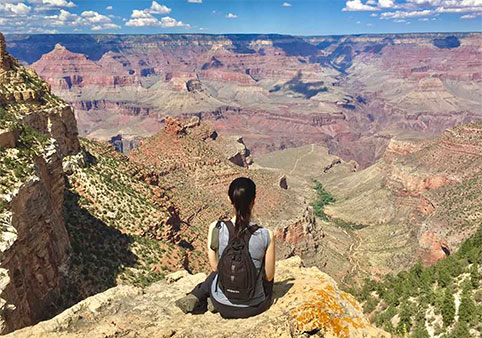
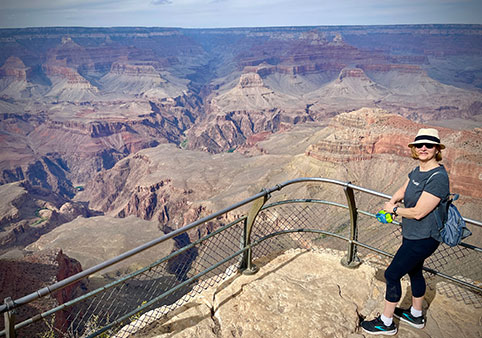
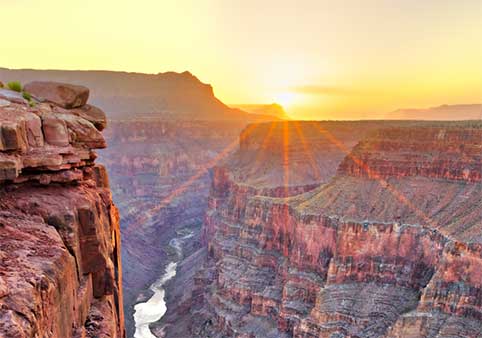
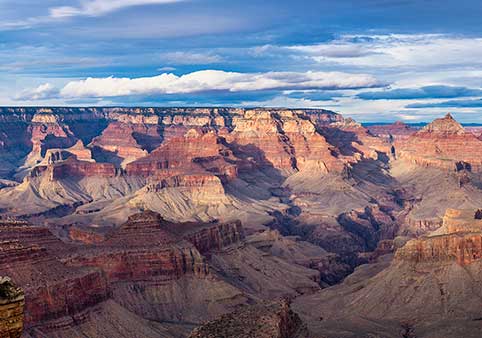
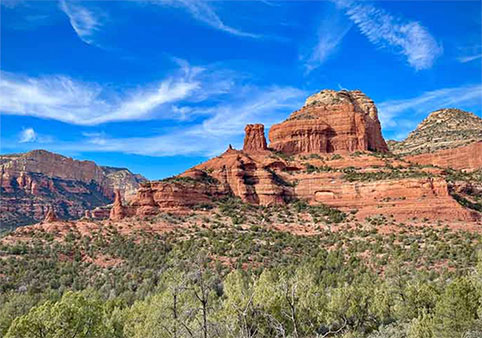
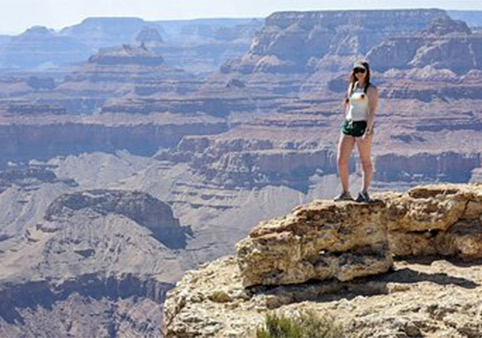
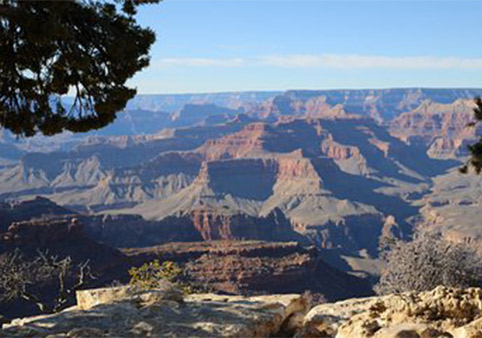
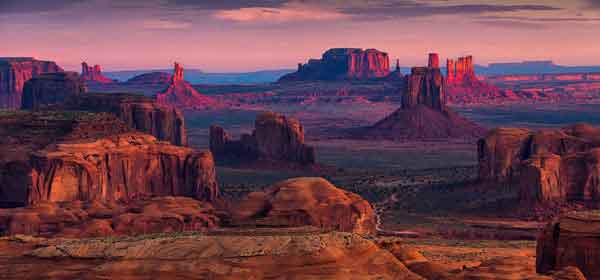
Scenic viewpoints offer the most accessible introduction to the Grand Canyon. Each overlook reveals a different combination of cliffs, side canyons, temples, mesas, river corridors, and distant plateaus.
Walking between viewpoints often provides a richer experience than driving from one overlook to another. On the South Rim, portions of the Rim Trail connect developed areas, shuttle stops, museums, and overlooks. The North Rim offers a smaller collection of more widely separated viewpoints reached by road and trail.
Begin with: Mather Point » | Yavapai Point » | Hopi Point »
Hiking
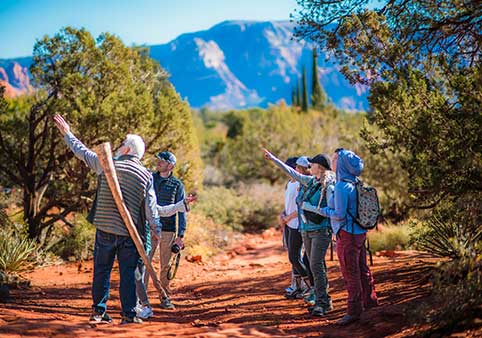
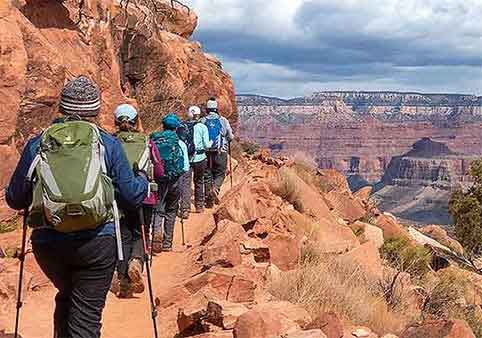
Hiking allows visitors to experience how quickly the Grand Canyon changes with elevation. Rim trails can be relatively level and accessible, while inner-canyon trails descend steeply through multiple climate and vegetation zones.
Hiking down is optional. Hiking back up is not. A descent that feels manageable in the morning can become demanding during the return climb, especially in heat, direct sun, ice, wind, or limited water conditions.
Featured trails: Bright Angel Trail » | South Kaibab Trail » | Rim Trail »
Scenic Drives
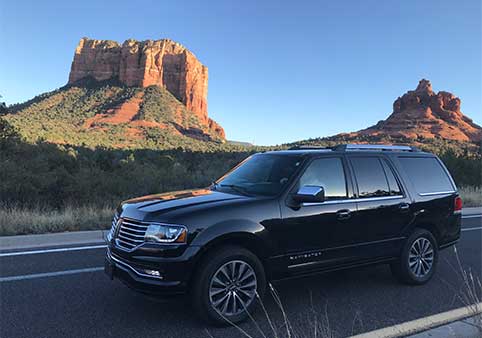
Scenic roads connect overlooks, historic districts, trailheads, museums, forests, and changing perspectives across the canyon. Driving can reveal how the landscape shifts between ponderosa forest, pinyon-juniper woodland, open plateau, and desert.
On the South Rim, Desert View Drive extends between Grand Canyon Village and Desert View. Some other rim roads have seasonal, shuttle-only, or temporary access restrictions. North Rim scenic roads are subject to seasonal access and changing conditions.
Related guides: Desert View Drive » | Hermit Road » | North Rim Scenic Drives »
Colorado River Trips
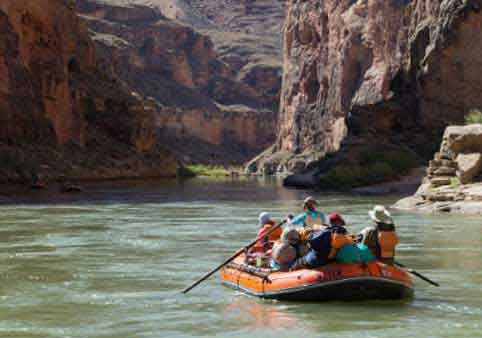
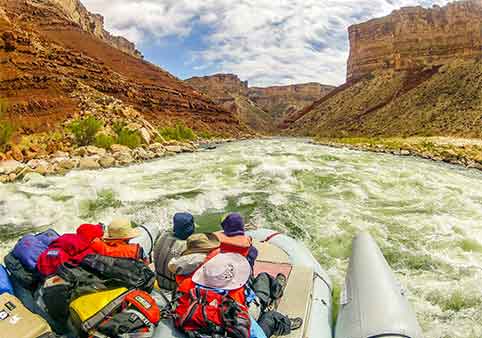
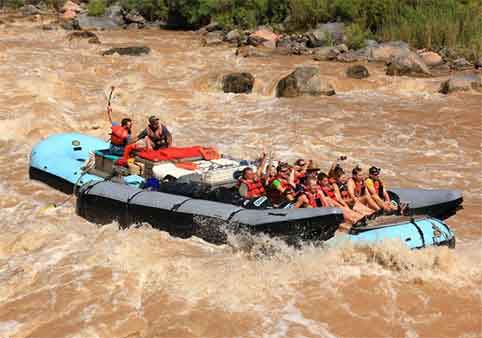
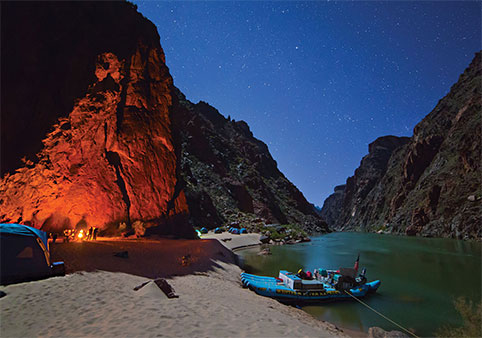
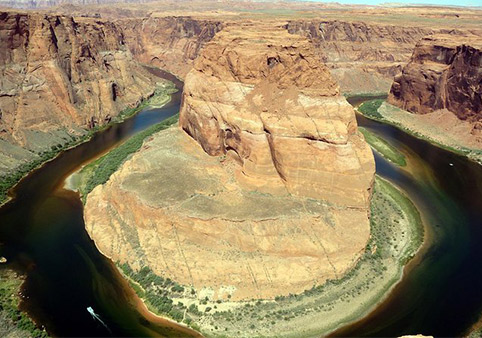
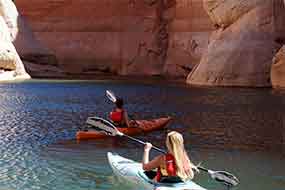
River travel reveals the Grand Canyon from its deepest corridor. Trips may include whitewater, quiet stretches of river, side-canyon hikes, beaches, springs, archaeological places, and close views of the canyon's rock layers.
River experiences vary considerably. Some trips last part of a day outside the central national park corridor, while full journeys through the Grand Canyon may last many days and require commercial reservations or noncommercial permits.
Related: Colorado River » | Lees Ferry »
Camping and Backcountry Travel
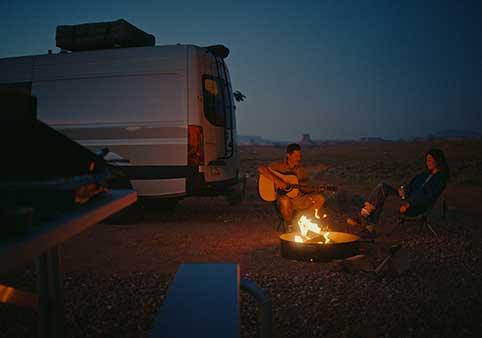
Camping can mean staying in a developed rim campground, sleeping in the inner canyon, or traveling through remote backcountry where water, route-finding, weather, and emergency response become much more serious considerations.
Developed campgrounds and backcountry campsites operate under different reservation and permit systems. Overnight travel below the rim generally requires more preparation than an ordinary campground stay.
For overnight wilderness travel: Grand Canyon Backcountry Guide »
Ranger Programs, Museums and Cultural Learning
The Grand Canyon is more than a scenic landscape. Ranger programs, museums, historic buildings, cultural demonstrations, exhibits, and interpretive trails help visitors understand geology, ecology, archaeology, architecture, human history, and the enduring connections of Tribal nations to the canyon.
Program schedules and facility availability change by season and location. Visitors should check current schedules rather than assuming a particular program will be offered every day.
Related guides: Visitor Centers and Museums » | Trail of Time »
Stargazing and the Night Sky
After sunset, the canyon becomes a different landscape. Dark skies reveal stars, planets, constellations, the Milky Way, and changing moonlight across the rim.
Good stargazing does not require specialized equipment. A safe location, warm clothing, patience, and time for your eyes to adjust can reveal far more than is visible from a brightly lit community.
Related: Sunrise, Sunset and Moonlight »
Photography, Art and Observation
The canyon changes constantly with light, weather, season, smoke, clouds, snow, and distance. Photography and drawing encourage visitors to slow down and notice relationships that can be missed during a hurried stop.
The most rewarding locations are not always the most famous ones. Composition, weather, safe footing, changing light, and respect for other visitors matter more than crowding the edge of a popular overlook.
Bicycling
Bicycles can be used on park roads and designated multi-use routes, but access varies by location. Some rim paths are pedestrian-only, while certain roads and greenway sections provide opportunities for cycling.
Elevation, traffic, limited shoulders, weather, and long distances can make cycling more demanding than the map suggests. Riders should verify where bicycles are permitted before setting out.
Mule Trips
Mule travel has long been part of transportation and tourism at the Grand Canyon. Modern mule experiences vary by rim, route, season, trip length, rider requirements, and availability.
Reservations may fill far in advance, and riders must meet current operator requirements. A mule trip should be evaluated as a physically demanding canyon experience rather than an ordinary sightseeing ride.
Guided Learning and Tours
Guided experiences can help visitors understand geology, wildlife, cultural history, photography, hiking, and the practical realities of traveling through a large and unfamiliar landscape.
Choose an Activity by Time and Effort
| Experience | Typical Time | Physical Effort | Advance Planning |
|---|---|---|---|
| Scenic viewpoint | Less than an hour to several hours | Low to moderate | Usually limited |
| Rim walk | One hour to most of a day | Low to moderate | Check route and weather |
| Scenic drive | Several hours to a full day | Low | Check road and shuttle access |
| Day hike below the rim | Several hours | Moderate to very high | Route, weather, water and turnaround plan |
| Backcountry trip | One or more nights | High | Permit and detailed preparation |
| River journey | Part of a day to several weeks | Varies widely | Reservations or permits often required |
| Ranger or cultural program | Less than an hour to several hours | Usually low | Check current schedule |
| Stargazing | One hour or longer | Low | Check weather, moonlight and safe access |
Plan for the Canyon You Actually Encounter
Conditions at the Grand Canyon can change quickly. Elevation, direct sunlight, summer heat, winter ice, thunderstorms, wildfire effects, road closures, water availability, and seasonal operations can all influence what is safe or practical on a particular day.
Before beginning an activity, check current information from the responsible park, Tribal government, recreation area, forest, or other land-management authority. A general guide can explain an activity, but it cannot replace current local conditions.
Do Not Use Rim Distance to Judge Canyon Difficulty
Inner-canyon travel begins with a descent and ends with a climb. Temperatures below the rim can be dramatically different from conditions at the trailhead, and rescue may be delayed by terrain, weather, or demand.
Choose a turnaround time before beginning, carry appropriate water and food, and avoid treating the Colorado River as a routine same-day destination.
Continue Exploring GrandCanyon.net
Activities make more sense when you understand where they occur and what shaped the landscape around them.