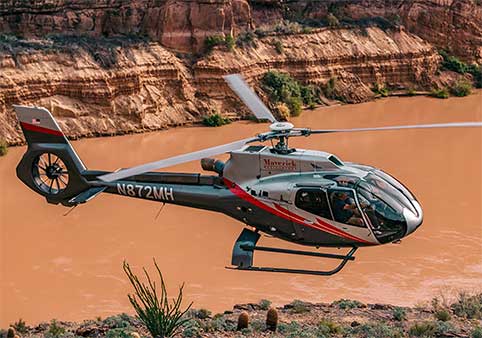
The Colorado River is the heart of the Grand Canyon. Flowing through some of the most spectacular scenery in North America, it has helped shape the canyon's immense landscape over millions of years while continuing to sustain the plants, wildlife, and ecosystems that depend on its waters today. Whether viewed from a scenic overlook thousands of feet above or experienced during a rafting expedition, the Colorado River remains one of the park's greatest natural wonders.
Within Grand Canyon National Park, the river winds approximately 277 miles through towering cliffs, powerful rapids, tranquil stretches, and narrow side canyons. Along the way it passes ancient rock formations, archaeological sites, waterfalls, hanging gardens, and habitats found nowhere else on Earth.
For many visitors, simply catching a glimpse of the Colorado River from the rim is unforgettable. For others, hiking to the river or floating through the canyon becomes the adventure of a lifetime.
How the Colorado River Helped Shape the Grand Canyon
Although people often say the Colorado River carved the Grand Canyon, the story is much more fascinating. The canyon formed through the combined effects of uplift of the Colorado Plateau, the river's persistent erosion, weathering, landslides, tributary streams, and millions of years of changing climate. Together, these natural forces gradually exposed nearly two billion years of Earth's history.
Even today, the Colorado River continues to shape the canyon. Seasonal floods, rockfalls, flash floods from side canyons, and the steady movement of water slowly reshape beaches, transport sediment, and alter the landscape. While the canyon changes very slowly on a human timescale, it remains an active geological environment.
Where Can You See the Colorado River?
One of the surprises for first-time visitors is that the Colorado River is not visible from every overlook. The canyon's immense depth and winding course often hide the river from view, making certain viewpoints especially rewarding.
South Rim Viewpoints
Several overlooks along Desert View Drive provide excellent opportunities to see the river. Desert View Watchtower, Lipan Point, Moran Point, and Navajo Point offer some of the widest and clearest views as the Colorado River winds through the eastern canyon.
Along Hermit Road, visitors may catch glimpses of the river from overlooks such as Hopi Point and Mohave Point, although the river is often partially hidden by side canyons and rock formations.
North Rim Viewpoints
Because the North Rim sits at a higher elevation, most viewpoints overlook vast expanses of the canyon rather than the river itself. Bright Angel Point, Cape Royal, and Point Imperial offer spectacular panoramas, while Angels Window provides one of the best elevated views of the Colorado River far below.
Getting Close to the River
Reaching the Colorado River is much more challenging than it appears from the rim. Trails descend thousands of feet through dramatic changes in elevation and temperature before reaching the canyon floor. Popular routes include Bright Angel Trail, South Kaibab Trail, and North Kaibab Trail, all of which require careful planning, plenty of water, and respect for the extreme desert environment.
Many visitors experience the river by staying overnight at Phantom Ranch or Bright Angel Campground, while others reach it as part of multi-day backpacking adventures.
River Rafting Adventures
For many travelers, floating through the Grand Canyon on the Colorado River is the ultimate adventure. Commercial rafting trips range from shorter motorized expeditions lasting several days to traditional oar-powered journeys that spend up to three weeks exploring the canyon. Private rafting permits are also available through a lottery system, though demand greatly exceeds the number of permits issued each year.
River trips allow visitors to experience the canyon from a completely different perspective. Instead of looking down from the rim, rafters travel between towering cliffs, hike into hidden side canyons, visit waterfalls, camp on sandy beaches, and navigate some of North America's most famous whitewater rapids.
Rapids are rated using the Grand Canyon's own 1 to 10 river-running scale rather than the standard international whitewater classification. Well-known rapids include Horn Creek, Crystal Rapid, Hermit Rapid, Granite Rapid, and Lava Falls, each presenting unique challenges depending on river conditions.
Wildlife Along the River
The Colorado River creates a ribbon of life through an otherwise arid landscape. Cottonwood trees, willows, and other riparian plants provide food and shelter for countless animals that depend on reliable water throughout the year.
Visitors may spot great blue herons stalking fish along quiet shorelines, belted kingfishers diving into the river, beavers swimming at dusk, or canyon treefrogs near springs and seeps. The river also supports native fish species, including the endangered humpback chub, whose ancestors adapted to the Colorado River long before Glen Canyon Dam was constructed.
Many side canyons contain hanging gardens where groundwater slowly seeps through canyon walls. These lush pockets of vegetation create important habitat for birds, insects, amphibians, and other wildlife that could not survive in the surrounding desert.
Why the Colorado River Matters Today
The Colorado River is far more than a scenic landmark. It supplies water to millions of people across the American Southwest, supports agriculture, generates hydroelectric power, and remains culturally significant to numerous Tribal Nations whose histories are deeply connected to the canyon.
Since the completion of Glen Canyon Dam in 1963, the river's flow through Grand Canyon National Park has changed considerably. Water released from the dam is colder and carries much less sediment than it did naturally. These changes have affected beaches, native fish populations, and river ecosystems, leading to decades of scientific research and adaptive management designed to better balance human needs with environmental conservation.
The Colorado River also serves as one of the world's most important outdoor laboratories. Scientists continue to study erosion, ecology, climate change, endangered species, archaeology, and water management throughout the canyon, helping improve our understanding of one of Earth's most remarkable landscapes.
Whether admired from a scenic overlook, reached by hiking trail, or experienced during a rafting expedition, the Colorado River remains the force that connects nearly every story told within Grand Canyon National Park.
Frequently Asked Questions
How long is the Colorado River through Grand Canyon National Park?
The Colorado River flows approximately 277 miles through Grand Canyon National Park. Along this stretch it passes through Marble Canyon, the Inner Gorge, hundreds of side canyons, and some of the world's most famous whitewater rapids before continuing toward Lake Mead.
Did the Colorado River carve the Grand Canyon?
The Colorado River played a major role in forming the Grand Canyon, but it did not carve the canyon alone. Uplift of the Colorado Plateau, erosion, weathering, tributary streams, landslides, and millions of years of geological processes all contributed to creating the landscape visitors see today.
Can you drive to the Colorado River?
Within Grand Canyon National Park, there is no road that takes visitors directly from either the South Rim or North Rim to the Colorado River. Reaching the river usually requires hiking thousands of feet via trails such as Bright Angel, South Kaibab, or North Kaibab, or experiencing it on a guided rafting trip.
Can you swim in the Colorado River?
Swimming is possible in some calm areas, but the Colorado River is extremely cold, swift, and powerful. Water released from Glen Canyon Dam typically remains around 46°F (8°C) year-round. Strong currents and submerged hazards make swimming dangerous in many locations.
What is the biggest rapid in the Grand Canyon?
Lava Falls Rapid is widely considered the most challenging and famous rapid in Grand Canyon National Park. Many other rapids, including Crystal, Granite, and Hermit Rapids, also provide exciting whitewater experiences for river runners.
Can I see the Colorado River from the South Rim?
Yes, but not from every overlook. Desert View Watchtower, Lipan Point, Navajo Point, Moran Point, and portions of Hermit Road offer some of the best opportunities to view the river from the South Rim.
Why is the Colorado River so green?
The river's color varies depending on location and conditions. Water released from Glen Canyon Dam is often clear with a greenish-blue appearance, while sediment carried by tributaries can temporarily turn sections of the river brown following storms or seasonal runoff.
Why is the Colorado River important?
Beyond shaping the Grand Canyon, the Colorado River supplies water to millions of people, supports agriculture throughout the Southwest, generates hydroelectric power, sustains wildlife habitat, and holds deep cultural significance for numerous Tribal Nations.
Continue Exploring Nature & Science
The Colorado River connects nearly every aspect of the Grand Canyon's natural history. Learn how geology, wildlife, plants, weather, and conservation all work together to shape one of the world's most extraordinary landscapes.