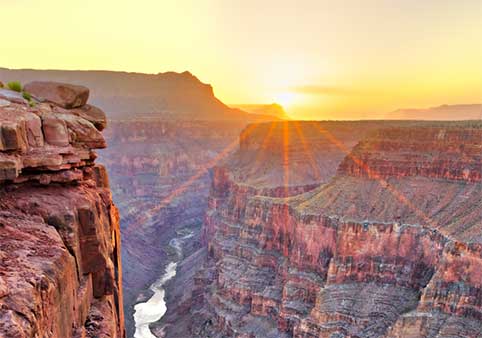
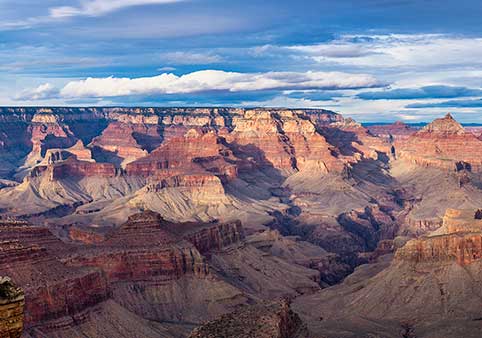
The South Rim is the most accessible and developed part of Grand Canyon National Park, combining vast canyon views with historic buildings, museums, walking paths, trailheads, scenic drives, and year-round visitor services. For many travelers, this is where the scale and story of the Grand Canyon first come into focus.
The South Rim includes two principal visitor areas: Grand Canyon Village, the historic and operational center of the park, and Desert View, located near the park’s East Entrance. Between them, scenic overlooks reveal changing perspectives of the canyon and the Colorado River far below.
Why the South Rim Is the Classic Grand Canyon Experience
The South Rim brings together many of the experiences people associate with the Grand Canyon: expansive overlooks, layered cliffs, historic architecture, rim walks, museums, mule routes, and trails descending toward the Colorado River.
It is also the only rim within Grand Canyon National Park that remains open throughout the year. Most services operate year-round, although hours, facilities, roads, and programs may change with weather and the season.
The South Rim is especially well suited to visitors who want:
- A broad selection of developed viewpoints
- Year-round access to Grand Canyon National Park
- Visitor centers, museums, historic buildings, and interpretive exhibits
- Walks along the rim as well as more strenuous inner-canyon trails
- Free shuttle transportation within developed areas
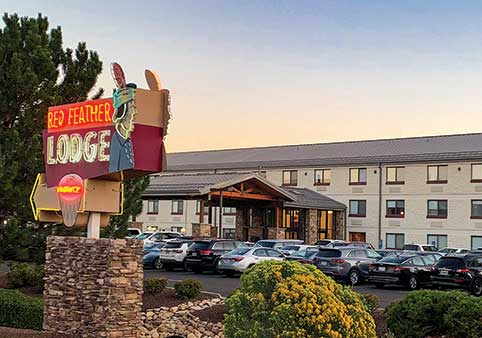
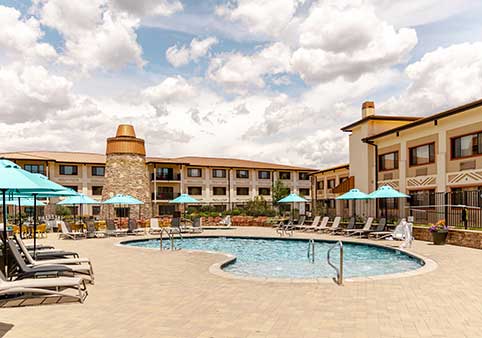
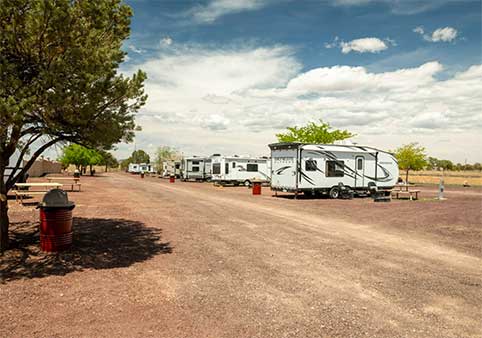
- Access to lodging, campgrounds, restaurants, and other visitor services
Its developed infrastructure makes the South Rim easier to navigate than more remote parts of the canyon, but the landscape itself remains immense. Even from the rim, visitors are looking across a complex system of side canyons, temples, buttes, cliffs, and plateaus shaped over geologic time.
Grand Canyon Village
Grand Canyon Village is the historic heart of the South Rim. It contains lodging, trailheads, shuttle stops, museums, visitor services, and some of the park’s best-known buildings.
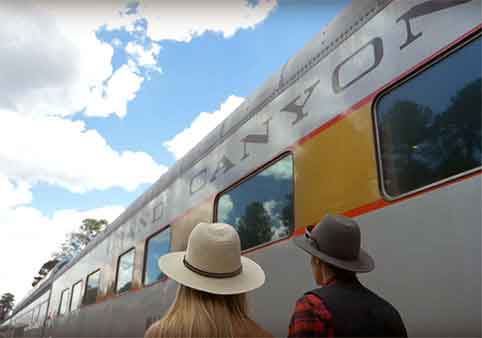
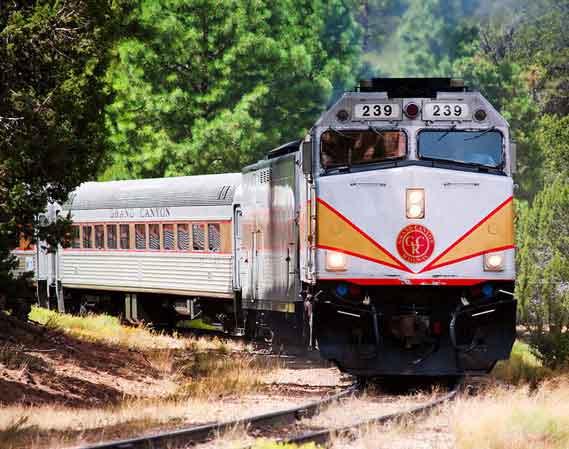
The arrival of the Santa Fe Railway helped transform the village during the early 1900s. Buildings such as El Tovar, Hopi House, Verkamp’s, and the Grand Canyon Railway Depot reflect the growth of tourism at the canyon and remain part of the historic district today.
Visitors can walk between many village landmarks along the Rim Trail rather than moving from place to place by car. The village area also provides access to Bright Angel Trail, historic viewpoints, interpretive exhibits, and the western section of the South Rim shuttle network.
Desert View and the East Rim
Desert View lies near the eastern edge of Grand Canyon National Park, approximately 23 miles from Grand Canyon Village along Desert View Drive. The setting offers broad views into the eastern canyon, where the Colorado River becomes more visible and the landscape begins to open toward the Painted Desert.
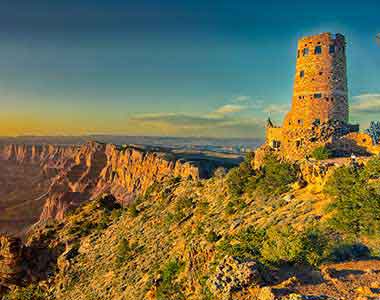
The Desert View Watchtower is one of the area’s most recognizable landmarks. The structure was designed by architect Mary Colter and completed in the 1930s. Desert View also includes visitor services, cultural interpretation, and access to the park through the East Entrance.
The road connecting Grand Canyon Village and Desert View is the South Rim’s principal scenic drive open to private vehicles throughout most of the year, subject to temporary weather or emergency closures.
South Rim Viewpoints
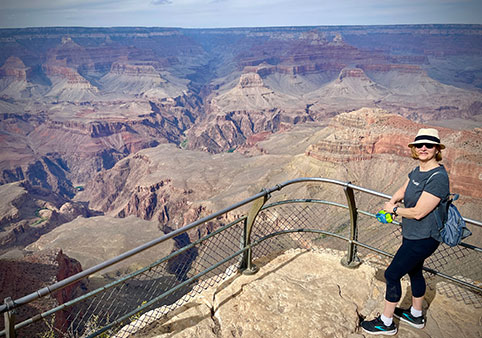
No single viewpoint explains the entire Grand Canyon. Each overlook reveals a different relationship between the rim, side canyons, rock formations, and the Colorado River.
Some viewpoints are close to visitor centers and shuttle stops, while others require a walk, bicycle ride, shuttle trip, or drive along Desert View Drive. Among the most frequently visited South Rim overlooks are:
- Mather Point – A broad introductory view near the Grand Canyon Visitor Center
- Yavapai Point – Home to the Yavapai Geology Museum and panoramic geologic interpretation
- Yaki Point – A shuttle-accessed overlook with views toward the inner canyon
- Hopi Point – A prominent overlook along Hermit Road
- Mohave Point – Known for views of the Colorado River and western canyon
- Grandview Point – A high overlook associated with early mining history
- Moran Point – An eastern viewpoint with broad exposures of canyon rock layers
- Lipan Point – A wide view into the eastern canyon and Colorado River corridor
- Desert View – A sweeping perspective near the park’s East Entrance
Conditions, access, parking, and shuttle availability can change by season. Check current park information before setting out for a specific overlook.
Walking the Rim Trail
The Rim Trail follows the South Rim through developed areas and quieter stretches of forest and canyon edge. It extends for approximately 12 miles between Pipe Creek Vista and Hermits Rest, with paved and unpaved sections along the route.
Unlike trails that descend into the canyon, the Rim Trail offers opportunities to experience changing views without committing to a steep climb back to the rim. Visitors can walk a short segment, combine walking with shuttle transportation, or spend several hours exploring the rim.
Because parts of the trail pass close to exposed edges, visitors should remain on established paths, supervise children carefully, and avoid approaching wildlife.
Hiking Below the Rim
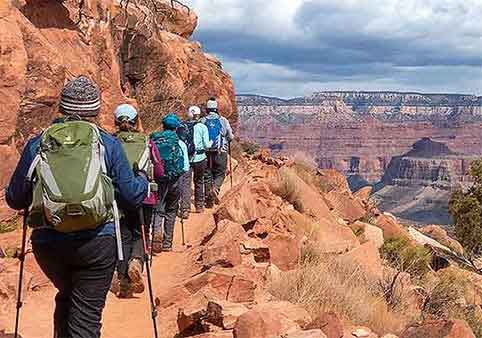
Hiking into the Grand Canyon is fundamentally different from walking along the rim. Trails descend first, which means the most difficult portion of the hike usually comes at the end, during the return climb.
The South Rim provides access to several major trails:
- Bright Angel Trail – A historic corridor trail beginning in Grand Canyon Village
- South Kaibab Trail – A steep, exposed trail known for expansive views
- Grandview Trail – A rugged historic route beginning near Grandview Point
- Hermit Trail – A more primitive trail west of Grand Canyon Village
There is no easy trail to the Colorado River and back in a single day. Heat, elevation change, limited shade, changing water availability, ice, snow, and trail closures can all affect hiking conditions. Visitors should check current alerts and trail information before descending below the rim.
Scenic Drives and Shuttle Routes
The South Rim can be explored through a combination of driving, walking, bicycling, and free park shuttle buses.
Desert View Drive
Desert View Drive extends approximately 23 miles between Grand Canyon Village and Desert View. Private vehicles can normally travel this route, stopping at developed viewpoints, picnic areas, and other points of interest.
Hermit Road
Hermit Road follows the rim west from Grand Canyon Village. Private vehicle access is restricted during much of the year, when visitors use the park’s shuttle buses, walk, or bicycle to reach its overlooks. Seasonal access rules should always be confirmed before visiting.
South Rim Shuttle Buses
The shuttle system connects major locations around Grand Canyon Village, including the Visitor Center, lodging areas, campgrounds, Market Plaza, trailheads, and selected viewpoints. Routes and hours vary by season.
Geology Written Across the Canyon Walls
The South Rim offers a window into an extraordinary span of Earth history. Some rocks exposed near the bottom of the canyon formed nearly two billion years ago, while many of the prominent horizontal layers visible from the rim were deposited much later in ancient seas, coastal environments, deserts, and river systems.
The canyon itself is much younger than its oldest rocks. The Colorado River and other erosional forces carved through the uplifted Colorado Plateau, exposing the sequence of rock layers visible today.
Yavapai Geology Museum
At Yavapai Geology Museum, panoramic windows, models, exhibits, and labeled views help visitors identify formations and understand how deposition, uplift, erosion, and the river contributed to the modern landscape.
Trail of Time
The nearby Trail of Time transforms geologic time into a walkable experience. Rock samples and interpretive markers help illustrate the vast difference between the age of the canyon’s rocks and the more recent carving of the canyon itself.
A Living Cultural Landscape
Grand Canyon is not an empty wilderness with a human story added later. Indigenous peoples have lived in, traveled through, cared for, and maintained cultural relationships with this landscape for thousands of years.
Eleven present-day Tribal communities have historic and cultural connections to the lands and resources within Grand Canyon National Park. The canyon remains a sacred place connected to living traditions, histories, and communities.
Visitors can learn more through park exhibits, cultural programs, historic sites, and interpretation at locations such as Desert View, Hopi House, Verkamp’s Visitor Center, and the Grand Canyon Visitor Center.
Wildlife on the South Rim
Ponderosa pine forest, pinyon-juniper woodland, open meadows, cliffs, and canyon slopes support a wide variety of wildlife. Visitors may encounter elk, mule deer, ravens, squirrels, lizards, and numerous bird species.
California condors may occasionally be seen soaring above the rim or canyon. Their broad wings, dark bodies, and white underwing patches distinguish them from many other large birds.
Wild animals should never be approached or fed. Feeding wildlife changes natural behavior, creates hazards for people and animals, and can result in injury. Food, trash, and scented items should be stored responsibly.
Sunrise, Sunset, and Dark Skies
Low-angle light can reveal shapes, shadows, and colors that are less apparent during the middle of the day. Sunrise and sunset are therefore not merely viewing times but different ways of reading the landscape.
No viewpoint can guarantee a dramatic sunrise or sunset. Clouds, haze, smoke, storms, and seasonal light all influence what visitors see. Rather than searching for a single “best” overlook, choose a safe, accessible location and arrive early enough to avoid rushing near the canyon edge.
After dark, the South Rim offers opportunities to observe stars, planets, and the Milky Way when weather and moonlight cooperate. Use low-intensity lighting, preserve night vision, and remain aware of uneven ground and exposed edges.
Prepare for a South Rim Visit
South Rim Essentials
- Access: The South Rim is open 24 hours a day throughout the year, although individual facilities and roads may close temporarily.
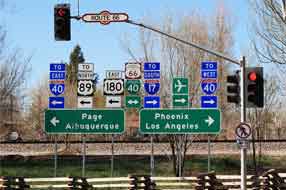
- Main entrances: Most visitors enter through the South Entrance near Tusayan. The East Entrance near Desert View provides another approach from Cameron and northern Arizona.
- Entrance fees: Grand Canyon National Park charges an entrance fee. Current fees and pass options should be confirmed before arrival.
- Transportation: Free shuttle buses operate within developed South Rim areas, with routes and schedules changing seasonally.
- Weather: Conditions at the rim can differ sharply from conditions inside the canyon. Snow and ice are possible in winter, while inner-canyon heat can become dangerous during warmer months.
- Lodging and camping: Reservations are strongly recommended, particularly during spring, summer, and fall.
- Accessibility: Accessible overlooks, facilities, paths, parking areas, and shuttle buses are available, although conditions vary by location.
- Current conditions: Check official park alerts for road closures, trail conditions, water availability, wildfire impacts, weather, and temporary facility changes.
Getting to the South Rim
The South Entrance is reached from Arizona State Route 64 through Tusayan and is the closest entrance to Grand Canyon Village. The East Entrance is reached from Cameron along State Route 64 and enters the park near Desert View.
Travel times vary with weather, road work, traffic, entrance-station lines, and the visitor’s exact starting point. Navigation apps can also suggest unsuitable seasonal or unpaved routes, so travelers should compare directions with official park maps.
Read directions to the South Rim »
Weather and Seasonal Change
The South Rim remains open year-round, but each season creates a different experience.
Spring can bring mild days, cold nights, wind, and late snow. Summer generally brings the largest crowds, warm rim conditions, intense heat below the rim, and seasonal thunderstorms. Autumn often brings cooler temperatures and shorter daylight hours. Winter can cover the rim in snow and ice while revealing distant canyon features through clearer air.
Elevation creates strong temperature differences between the rim and the inner canyon. Visitors should check both rim and inner-canyon forecasts when hiking below the rim.
Continue Exploring the South Rim
Understand and Explore
Check Current Conditions Before You Go
Roads, trails, water availability, shuttle routes, viewpoints, visitor facilities, and fire restrictions can change without much notice. Confirm current conditions with Grand Canyon National Park before traveling or beginning a hike.