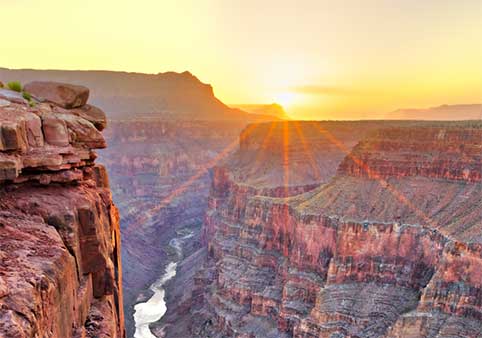
The Grand Canyon Rim Trail is the easiest way to experience the South Rim on foot. Stretching for more than 13 miles (21 km) along the edge of the canyon, the mostly paved trail connects many of the park's most famous viewpoints, historic buildings, museums, and visitor facilities without requiring visitors to descend into the canyon.
Unlike the Bright Angel Trail or other inner canyon hikes, the Rim Trail stays along the canyon's edge, allowing visitors of nearly every age and ability to enjoy breathtaking views at their own pace. Whether you walk for ten minutes or several hours, you'll experience changing perspectives of one of the world's great natural wonders.
Many visitors unknowingly walk portions of the Rim Trail while exploring the South Rim. Understanding where it begins, where it goes, and what you'll see along the way can help you make the most of your visit.
Good to Know
Although much of the Rim Trail is paved and relatively level, conditions vary by section. Always carry water, wear appropriate footwear, and stay back from cliff edges unless protected by railings or designated overlooks.
Why Is the Rim Trail Worth Walking?
The Rim Trail allows visitors to experience the Grand Canyon without the physical demands of hiking below the rim. Because it follows the canyon's edge, the scenery changes continuously as new viewpoints, rock formations, and side canyons come into view.
Along the way, you'll encounter many of the South Rim's most recognizable landmarks, including Bright Angel Lodge, Lookout Studio, Kolb Studio, Hopi House, and portions of Historic Grand Canyon Village. Several museums, shuttle stops, and scenic overlooks are also located directly along the route.
How Long Is the Rim Trail?
The complete Rim Trail extends from the South Kaibab Trailhead area west toward Hermits Rest, although many visitors choose to walk only individual sections. Because shuttle buses serve much of the route, it's easy to enjoy a one-way walk and ride back rather than retracing your steps.
| Popular Section | Why Walk It? | Typical Time |
|---|---|---|
| Visitor Center to Mather Point | Excellent first views of the canyon. | 15–20 minutes |
| Mather Point to Yavapai Point | Interpretive exhibits and expansive canyon views. | 20–30 minutes |
| Historic Village Section | Historic buildings, lodges, and canyon overlooks. | 30–60 minutes |
| Village to Trailview Overlook | Views of Bright Angel Trail and inner canyon. | 1–2 hours |
What Will You See?
One of the Rim Trail's greatest strengths is variety. Rather than ending at a single viewpoint, the trail reveals the canyon from dozens of different angles. Lighting changes throughout the day, making familiar cliffs appear completely different as shadows move across the landscape.
Visitors can also observe the dramatic differences between the broad South Rim, the distant North Rim, the Colorado River far below, and the colorful rock layers that record nearly two billion years of Earth's history.
While You're Here, Notice...
As you walk the Rim Trail, notice how the canyon never looks exactly the same twice. Even short walks reveal changing rock layers, shifting light, and new side canyons. The experience is less about reaching a destination than discovering how the landscape changes with every few hundred feet.
Which Section Should You Walk?
You don't need to hike all 13 miles to enjoy the Rim Trail. Most visitors choose a section based on their available time, interests, and mobility.
Best Walk for First-Time Visitors
The section between Mather Point and Historic Grand Canyon Village offers an excellent introduction to the South Rim. Along the way you'll enjoy classic viewpoints, museums, and several of the park's most significant historic landmarks.
Best Walk for History
The Historic Village section connects many of the Grand Canyon's best-known buildings, including Bright Angel Lodge, El Tovar, Hopi House, Kolb Studio, and Lookout Studio. This portion combines spectacular scenery with more than a century of Grand Canyon history.
Best Walk for Sunset
Western sections of the Rim Trail toward Trailview Overlook and beyond often provide beautiful afternoon and evening light. As the sun lowers, long shadows emphasize the canyon's depth and highlight the layered cliffs below.
Accessibility
Several sections of the Rim Trail are paved and suitable for wheelchairs, mobility devices, and strollers. Conditions vary, so visitors should consult current National Park Service information when planning an accessible route.
How Can You Safely Enjoy the Rim Trail?
Although the Rim Trail is considered one of the easiest walks in Grand Canyon National Park, it still follows the edge of steep cliffs in many places. Remain on designated pathways, supervise children carefully, and avoid stepping beyond railings or protective walls.
Summer temperatures can be surprisingly warm even along the rim. Carry drinking water, wear sun protection, and remember that weather conditions can change quickly, especially during the summer monsoon season.
Wildlife such as elk, mule deer, ravens, squirrels, and California condors are occasionally seen along the trail. Observe animals from a respectful distance and never feed wildlife.
Frequently Asked Questions
Is the Rim Trail difficult?
No. Most sections are relatively level and much easier than trails that descend into the canyon, making the Rim Trail suitable for many visitors.
How long is the Grand Canyon Rim Trail?
The Rim Trail extends for more than 13 miles (21 km) along the South Rim, although most visitors walk only a portion of it.
Can you walk the Rim Trail without hiking into the canyon?
Yes. The Rim Trail remains along the canyon's edge and does not descend below the rim.
Is the Rim Trail accessible?
Many sections are paved and accessible, though conditions vary depending on location. Check current National Park Service guidance before your visit.
Can you use the shuttle bus with the Rim Trail?
Yes. Shuttle buses serve portions of the South Rim, allowing visitors to combine walking with one-way shuttle rides instead of returning on foot.
What is the best section of the Rim Trail?
The section between Mather Point and Historic Grand Canyon Village is often recommended for first-time visitors because it combines spectacular scenery, historic landmarks, museums, and convenient visitor services.
Continue Exploring South Rim Trails
The Rim Trail offers one of the easiest ways to experience the Grand Canyon, but it's only one of many remarkable walks and hikes along the South Rim. Continue exploring nearby trails, viewpoints, and historic landmarks.