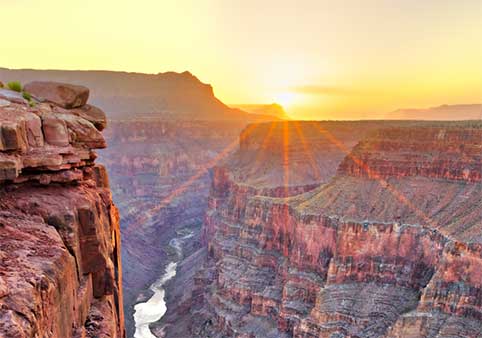
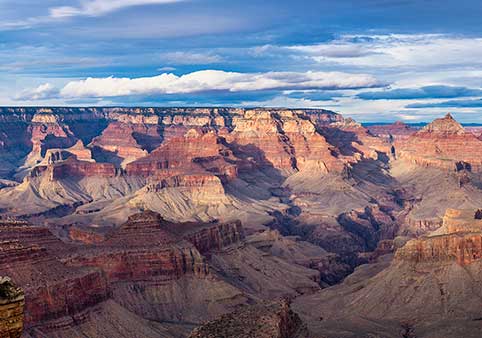
One of the biggest surprises for first-time visitors is just how much the weather changes across Grand Canyon National Park. Temperatures, precipitation, and even the seasons can vary dramatically depending on where you are. A comfortable afternoon on the South Rim may coincide with snow on the North Rim and triple-digit heat at the Colorado River.
The Grand Canyon spans nearly 8,000 feet of elevation from the North Rim to the river, creating several distinct climate zones. Understanding these differences helps visitors choose the best time to visit, pack appropriately, and safely enjoy hiking, sightseeing, and other outdoor adventures.
Whether you're planning a summer vacation, a winter getaway, or a challenging hike into the canyon, knowing what weather to expect can make your trip safer and far more enjoyable.
Why the Grand Canyon Has So Many Different Climates
Elevation is the biggest factor influencing weather throughout Grand Canyon National Park. The South Rim sits at approximately 7,000 feet above sea level, while the North Rim rises to more than 8,000 feet. Meanwhile, the Colorado River flows roughly a mile below the rim, where desert conditions dominate for much of the year.
As elevation increases, temperatures become cooler and snowfall becomes more common. Lower elevations experience hotter temperatures, less precipitation, and much longer summers. Because of these differences, visitors can experience several seasons in a single day simply by hiking from the rim toward the river.
Weather Around the Grand Canyon
South Rim
Open year-round, the South Rim experiences four distinct seasons. Summer days are generally warm with cool mornings and evenings, while winter often brings snow, freezing temperatures, and occasional winter storms. Spring and autumn are popular seasons thanks to mild temperatures and smaller crowds.
Afternoon thunderstorms become more common during the summer monsoon season, typically from July through September. Lightning can develop quickly, especially along exposed viewpoints and hiking trails.
North Rim
The North Rim sits about 1,000 feet higher than the South Rim and receives significantly more snowfall during the winter. Because of these conditions, North Rim facilities generally operate seasonally from mid-May through mid-October, although weather can affect opening and closing dates.
Even during summer, mornings and evenings are often cool enough for a jacket. Aspen groves, mixed conifer forests, and frequent afternoon thunderstorms give the North Rim a very different feel from the drier South Rim.
Colorado River & Inner Canyon
Conditions along the Colorado River are dramatically hotter than those on either rim. Summer temperatures frequently exceed 100°F (38°C), and the combination of intense sunshine, reflected heat from canyon walls, and limited shade creates hazardous hiking conditions.
During winter, however, the Inner Canyon is often pleasantly mild while snow blankets the rims above. This remarkable contrast is one of the defining characteristics of Grand Canyon National Park.
Spring
Spring is one of the most popular times to visit the Grand Canyon. Daytime temperatures are generally comfortable on the South Rim, wildflowers begin blooming throughout the park, and wildlife becomes increasingly active after winter. Snow may still linger on the North Rim well into late spring, and occasional storms can temporarily affect roads and hiking trails.
Spring weather can change quickly, so visitors should dress in layers and be prepared for chilly mornings, warm afternoons, and occasional rain or late-season snow showers.
Summer
Summer brings the park's largest crowds and its greatest weather extremes. While temperatures on the South Rim are usually pleasant compared to lower elevations in Arizona, the Inner Canyon often experiences dangerous heat exceeding 100°F (38°C). Hikers attempting to reach the Colorado River should begin before sunrise, carry plenty of water, and understand the risks associated with heat-related illness.
From approximately July through September, the Southwest monsoon brings afternoon thunderstorms to the region. These storms can produce lightning, brief periods of heavy rainfall, flash flooding in side canyons, and dramatic cloud formations that create spectacular photography opportunities.
Autumn
Many experienced travelers consider autumn one of the best seasons to visit Grand Canyon National Park. Temperatures become cooler, summer crowds begin to diminish, and the weather is often stable for hiking and sightseeing. On the North Rim, aspens and other deciduous trees provide colorful displays before winter arrives.
Autumn also offers excellent visibility following the summer monsoon season, allowing visitors to enjoy expansive canyon views under crisp blue skies.
Winter
Winter transforms much of the Grand Canyon into a dramatically different landscape. Snow regularly blankets the South Rim, creating striking contrasts between white forests and the canyon's colorful rock formations. Winter storms occasionally affect roads, but the South Rim remains open throughout the year.
The North Rim closes to vehicle traffic during the winter because of heavy snowfall, while the Inner Canyon often enjoys mild daytime temperatures that attract experienced backpackers seeking quieter trails.
Planning for Grand Canyon Weather
Because weather conditions vary so dramatically across the park, packing for multiple climates is often the best strategy. Even during summer, temperatures can change significantly between sunrise and afternoon, while hikers descending into the canyon may experience differences of 20 to 30 degrees or more in a single day.
Dress in Layers
Layered clothing allows visitors to comfortably adjust to changing temperatures throughout the day. A light jacket is often useful during cool mornings and evenings, even in summer, while sun-protective clothing helps reduce exposure during warmer months.
Stay Hydrated
The Grand Canyon's dry climate increases the risk of dehydration year-round. Visitors should drink water regularly, carry more than they think they'll need when hiking, and remember that thirst often lags behind the body's actual need for fluids.
Watch the Forecast
Weather conditions can change rapidly, especially during the summer monsoon season and winter storms. Before hiking or driving long distances within the park, check the latest National Park Service forecast and be prepared to adjust your plans if conditions change.
Frequently Asked Questions
What is the best time of year to visit the Grand Canyon?
Spring and autumn are generally considered the best times to visit Grand Canyon National Park. Comfortable daytime temperatures, smaller crowds than summer, and excellent hiking conditions make these seasons popular for sightseeing and outdoor activities. Summer is the busiest season, while winter offers a quieter experience with beautiful snow-covered scenery.
Does it snow at the Grand Canyon?
Yes. Snow is common on both the South Rim and North Rim during the winter months. The South Rim remains open year-round, although winter storms can temporarily affect roads and trails. The North Rim receives much heavier snowfall and is closed to vehicle traffic during the winter season.
How much hotter is the Colorado River than the South Rim?
Temperatures at the Colorado River are often 20 to 30°F warmer than the South Rim and can occasionally be even higher. During summer, the Inner Canyon frequently exceeds 100°F (38°C), creating hazardous conditions for hikers who underestimate the elevation change.
When is monsoon season at the Grand Canyon?
The Southwest monsoon typically occurs from early July through September. Afternoon thunderstorms are common during this period and may produce lightning, heavy rain, strong winds, and localized flash flooding, particularly in side canyons.
Is the North Rim colder than the South Rim?
Yes. The North Rim sits roughly 1,000 feet higher than the South Rim and generally experiences cooler temperatures throughout the year. It also receives significantly more snowfall during winter.
Can I hike into the canyon during summer?
Yes, but hikers should be prepared for extreme heat in the Inner Canyon. The National Park Service recommends avoiding strenuous hiking during the hottest part of the day, carrying plenty of water, replacing electrolytes, and recognizing the signs of heat exhaustion and heat stroke.
How should I dress for the Grand Canyon?
Dress in layers whenever possible. Temperatures can vary significantly between morning and afternoon and between the canyon rims and the Colorado River. Comfortable hiking shoes, sun protection, and a light jacket are useful during most times of the year.
Where can I check the current weather before my trip?
The National Park Service provides updated weather forecasts, alerts, and seasonal conditions for Grand Canyon National Park. Checking the latest forecast before traveling or beginning a hike is always recommended.
Continue Exploring Nature & Science
Weather influences nearly every experience at the Grand Canyon, from hiking and wildlife viewing to seasonal wildflowers and dramatic sunsets. Continue exploring the natural forces that shape one of the world's greatest landscapes.