The Grand Canyon is one of the world's greatest natural wonders, but protecting it requires constant care. Millions of visitors explore the park each year, while scientists, Tribal Nations, park staff, volunteers, and conservation organizations work together to preserve its landscapes, wildlife, cultural heritage, and natural resources for future generations.
Conservation at Grand Canyon National Park extends far beyond protecting scenic views. It includes restoring endangered species, preserving archaeological sites, monitoring water quality, reducing light pollution, managing forests, studying climate change, and helping visitors enjoy the park responsibly.
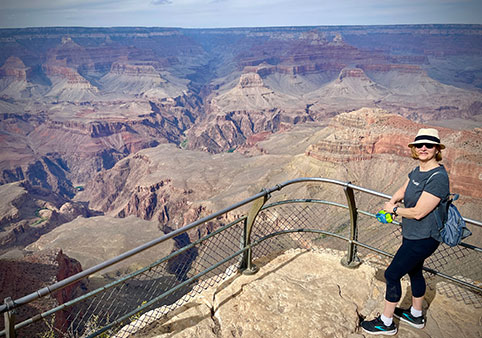
Every visitor plays an important role. Small choices, such as staying on designated trails, packing out trash, respecting wildlife, and leaving natural objects where they are found, help protect one of America's most treasured national parks.
What Does Conservation Protect?
The Grand Canyon contains an extraordinary diversity of natural and cultural resources. Conservation efforts focus on protecting entire ecosystems rather than individual attractions, recognizing that the canyon's geology, rivers, plants, wildlife, and people are all connected.
Wildlife
Grand Canyon National Park supports hundreds of animal species, including endangered wildlife such as the California condor and humpback chub. Park biologists monitor wildlife populations, restore habitat, reduce invasive species, and work with partner agencies to ensure native species continue to thrive.
Plants and Forests
Native plants stabilize soils, provide wildlife habitat, and help maintain healthy ecosystems throughout the canyon. Conservation efforts include managing invasive plants, restoring damaged habitats, reducing the impacts of severe wildfires, and preserving rare plant communities found nowhere else.
The Colorado River
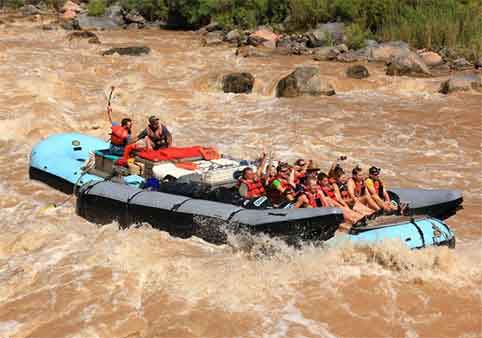
The Colorado River is the lifeblood of the Grand Canyon. Scientists monitor water quality, native fish populations, sediment movement, and river habitats while working with multiple agencies to better understand how water management affects the canyon's ecosystems.
Geology and Cultural Resources
Ancient rock formations, fossils, archaeological sites, and historic structures are all protected within Grand Canyon National Park. Visitors are encouraged to leave rocks, artifacts, and fossils exactly where they are found so future generations can experience them in their natural setting.
How the Grand Canyon Is Protected
Protecting a landscape as large and complex as the Grand Canyon requires cooperation among many organizations. The National Park Service works alongside Tribal Nations, universities, federal and state agencies, nonprofit organizations, scientists, volunteers, and local communities to preserve the park's natural and cultural resources.
Scientific Research
The Grand Canyon serves as one of the world's most important outdoor laboratories. Researchers study geology, wildlife populations, climate, archaeology, hydrology, and ecology to better understand how the canyon changes over time. Their work helps park managers make informed decisions about protecting habitats, restoring ecosystems, and preparing for future challenges.
Dark Sky Protection
Preserving darkness is an important part of conservation. Artificial light can disrupt wildlife behavior, reduce opportunities for astronomical research, and diminish the visitor experience. By upgrading lighting fixtures and reducing unnecessary nighttime illumination, Grand Canyon National Park earned designation as an International Dark Sky Park in 2019.
Fire Management
Fire has always been a natural part of many Grand Canyon ecosystems. Park managers use carefully planned prescribed burns and allow some naturally occurring fires to play their ecological role when conditions are appropriate. These efforts help reduce dangerous fuel buildup, improve forest health, and restore natural fire cycles that many native plants depend upon.
Working with Tribal Nations
The Grand Canyon has been home to Indigenous peoples for thousands of years and remains sacred to numerous Tribal Nations today. The National Park Service works collaboratively with Tribal partners on cultural resource protection, interpretation, traditional knowledge, archaeological preservation, and stewardship of ancestral lands within and surrounding the park.
How Visitors Can Help
Every visitor contributes to the future of Grand Canyon National Park. Responsible recreation protects fragile ecosystems, preserves archaeological sites, and helps ensure that wildlife remains wild.
Practice Leave No Trace
Stay on designated trails whenever possible, pack out everything you bring into the park, avoid disturbing plants and wildlife, and leave rocks, fossils, and artifacts exactly where you find them. Small actions by millions of visitors have a significant cumulative impact on the park.
Respect Wildlife
Observe animals from a safe distance and never feed them. Human food changes natural behavior, creates dangerous encounters, and can seriously harm wildlife. Using binoculars or a zoom lens provides excellent viewing opportunities while allowing animals to remain undisturbed.
Protect Water Resources
Springs, streams, and the Colorado River support much of the canyon's biodiversity. Help protect these fragile water sources by staying on established trails, properly disposing of waste, and following all park regulations when hiking or camping.
Support Conservation Efforts
Visitors can also support the park by participating in ranger programs, volunteering, practicing responsible recreation, or contributing to organizations that assist with research, education, trail restoration, and preservation projects throughout Grand Canyon National Park.
Frequently Asked Questions
Why is conservation important at the Grand Canyon?
The Grand Canyon protects nearly two billion years of geologic history, hundreds of wildlife species, thousands of archaeological sites, and ecosystems found nowhere else on Earth. Conservation helps preserve these natural and cultural resources so future generations can experience them as well.
Who manages Grand Canyon National Park?
Grand Canyon National Park is managed by the National Park Service in cooperation with Tribal Nations, federal and state agencies, scientists, conservation organizations, volunteers, and local communities. Together, these partners help protect the park's natural and cultural resources.
What is Leave No Trace?
Leave No Trace is a set of outdoor ethics that encourages visitors to minimize their impact on natural areas. Simple practices such as staying on designated trails, packing out trash, respecting wildlife, and leaving natural and cultural objects where they are found help preserve the park for everyone.
Why are California condors protected?
California condors are among the rarest birds in North America. Intensive conservation and captive breeding programs helped prevent their extinction, and Grand Canyon National Park is now one of the best places to observe these magnificent birds in the wild.
Why is the Colorado River important to conservation?
The Colorado River supports plants, wildlife, recreation, and ecosystems throughout the canyon. Scientists continue to study water quality, sediment movement, native fish, and habitat restoration to better understand and protect this vital resource.
How does protecting dark skies help wildlife?
Many animals rely on natural darkness to hunt, migrate, reproduce, and avoid predators. Reducing unnecessary artificial lighting benefits wildlife while also preserving exceptional stargazing opportunities for visitors.
Can visitors volunteer or support conservation efforts?
Yes. Visitors can support Grand Canyon conservation by participating in volunteer projects, attending ranger programs, practicing responsible recreation, or contributing to organizations that fund research, trail maintenance, habitat restoration, and educational programs.
What is the most important thing visitors can do?
Respect the park. Staying on trails, properly disposing of waste, giving wildlife plenty of space, conserving water, and leaving rocks, plants, fossils, and artifacts undisturbed are some of the simplest and most effective ways to help protect the Grand Canyon.
Continue Exploring Nature & Science
Conservation connects every part of Grand Canyon National Park. From ancient rock layers and the Colorado River to wildlife, forests, and dark skies, each resource depends on thoughtful stewardship and responsible recreation.