Planning a trip to Grand Canyon National Park is one of the most exciting parts of any Arizona vacation. Whether you're visiting for a few hours or several days, a little preparation can help you spend less time solving logistics and more time enjoying one of the world's most spectacular landscapes.
This guide brings together the essential information every visitor should know before arriving, from choosing the best time to visit and understanding entrance fees to deciding where to stay, how to get around, and what to pack. Use it as your starting point, then explore our in-depth planning guides for more detailed information.
Start Planning Your Trip
Most visitors begin by answering a few simple questions:
- When should I visit?
- How many days do I need?
- Which rim should I visit?
- Where should I stay?
- Should I book a tour?
- What should I pack?
The answers depend on your interests, travel style, and the time of year, but understanding the basics before you arrive can make your visit far more enjoyable.
Choose the Right Rim
South Rim
The South Rim is the park's most visited destination and remains the best choice for first-time visitors. It offers year-round access, the largest selection of viewpoints, historic lodges, visitor centers, ranger programs, hiking trails, restaurants, and shuttle buses.
North Rim
The North Rim sits roughly 1,000 feet higher in elevation than the South Rim and offers a quieter, more remote experience. Seasonal snowfall limits vehicle access, making it best suited for visitors seeking fewer crowds and cooler summer temperatures.
West Rim
Located on Hualapai Tribal lands west of Grand Canyon National Park, Grand Canyon West is famous for the Skywalk and is the closest rim to Las Vegas. It offers a very different experience than the national park and is popular for day trips from southern Nevada.
Decide How Long to Stay
The amount of time you spend at the Grand Canyon will shape your experience.
Half-Day Visit
Ideal for travelers passing through northern Arizona. Focus on several scenic viewpoints, the Visitor Center, and Grand Canyon Village.
One Full Day
A full day allows time to explore the South Rim, walk portions of the Rim Trail, attend ranger programs, and enjoy sunrise or sunset.
Two to Three Days
A multi-day visit provides opportunities to hike below the rim, take a guided tour, explore Desert View Drive, visit museums, and experience the canyon during different times of day.
Reserve Lodging Early
Hotels and lodges near the Grand Canyon can fill months in advance, particularly during spring break, summer vacation, and fall weekends. If staying inside Grand Canyon National Park is important to you, reserve accommodations as early as possible.
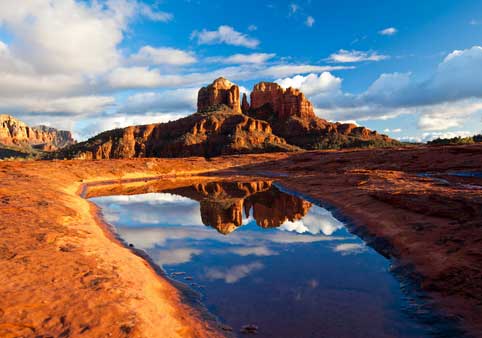
Gateway communities such as Tusayan, Williams, Flagstaff, and Sedona offer additional lodging choices while providing convenient access to the park.
Getting Around the Park
The South Rim is designed to be explored without constantly moving your vehicle. During much of the year, free shuttle buses connect major viewpoints, visitor facilities, trailheads, and Grand Canyon Village. Using the shuttle can reduce traffic congestion and make it easier to visit popular overlooks without searching for parking.
Visitors exploring Desert View Drive or traveling to the North Rim or Grand Canyon West should plan to use their own vehicle or join a guided tour, as shuttle service does not operate throughout the entire region.
Know the Weather
The Grand Canyon's elevation creates dramatic seasonal weather changes. Summer afternoons can bring temperatures above 100°F (38°C) inside the canyon while the South Rim remains much cooler. Winter storms occasionally bring snow to the rims, and weather conditions can change quickly throughout the year.
Always check the forecast before your visit and prepare for changing conditions, especially if you plan to hike below the rim.
Don't Forget the Essentials
A successful visit often comes down to good preparation. Even short walks along the rim can involve significant sun exposure, high elevation, and dry conditions.
Consider bringing:
- Reusable water bottle
- Comfortable walking or hiking shoes
- Sun protection, including sunscreen and a hat
- Light jacket or layers, even during warmer months
- Camera or binoculars
- Park map or offline navigation
Make the Most of Your Visit
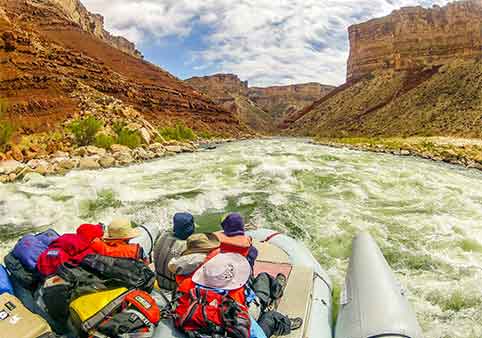
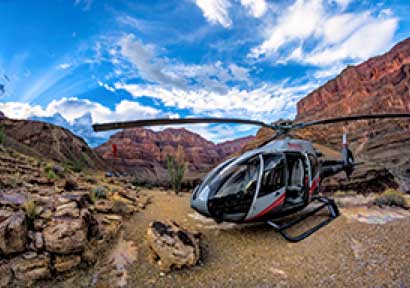
Every traveler experiences the Grand Canyon differently. Some visitors are happy spending an afternoon enjoying scenic overlooks, while others want to hike below the rim, ride a helicopter, raft the Colorado River, or explore nearby destinations such as Horseshoe Bend, Antelope Canyon, Sedona, or Route 66.
Planning ahead gives you the flexibility to choose the experiences that best match your interests while avoiding unnecessary stress once you arrive.
Whether this is your first visit or your fifth, the Grand Canyon offers something new every season. With thoughtful planning, you'll spend less time worrying about logistics and more time appreciating one of the world's most remarkable natural landscapes.