Grand Canyon Fossils

The Grand Canyon is often described as a geological history book, but its rocks preserve more than changing seas, deserts, rivers, and coastlines. Many layers also contain fossils that reveal what lived in those environments hundreds of millions of years ago.

Fossils found within Grand Canyon National Park include the remains and traces of marine animals, plants, insects, and land-dwelling vertebrates. Some are preserved as shells or impressions, while others appear as footprints, burrows, trackways, and other evidence of ancient behavior.

Together, these fossils help scientists reconstruct a world that looked very different from northern Arizona today. Much of the region was repeatedly covered by warm, shallow seas. At other times, coastal plains, river channels, tidal flats, and enormous desert dune fields stretched across the landscape.

Although the canyon contains an exceptionally rich record of Paleozoic life, visitors should not expect to find dinosaur bones. Most of the prominent rocks exposed within the canyon formed before dinosaurs evolved, while many younger rocks from the dinosaur era were later removed by erosion.


Fossils in the Grand Canyon

A fossil is any preserved evidence of past life. Fossils may include bones, shells, teeth, leaves, wood, pollen, footprints, burrows, or even chemical signatures produced by ancient organisms.

Most Grand Canyon fossils occur within sedimentary rocks. These formations began as layers of sand, mud, lime-rich sediment, and other material deposited in ancient environments. As additional sediment accumulated, some remains and traces of organisms were buried, preserved, and eventually enclosed within solid rock.

Body Fossils and Trace Fossils

Paleontologists generally distinguish between body fossils and trace fossils. Body fossils preserve part of an organism itself, such as a shell, tooth, bone, leaf, or piece of wood.

Trace fossils preserve evidence of an organism's activity rather than its body. Footprints, trackways, burrows, feeding marks, and trails can reveal how an animal moved, behaved, or interacted with its environment.

Both types are important in the Grand Canyon. Shells and skeletal fragments identify organisms that lived in ancient seas, while footprints and burrows provide glimpses of animals that crossed beaches, tidal flats, floodplains, and desert dunes.

What Fossils Reveal

A fossil is more than an ancient object. When interpreted alongside the surrounding rock, it becomes evidence of a former ecosystem. Marine shells indicate that an area was once underwater, while plant impressions may point to riverbanks, floodplains, or coastal environments.

Fossils also help geologists compare rock layers and estimate their relative ages. Certain organisms lived during limited intervals of Earth's history, so finding their fossils can help identify when a sedimentary formation was deposited.

By studying fossils together with sediment, ripple marks, mud cracks, and other geological clues, scientists can reconstruct how Grand Canyon environments changed through time.

A Record Spanning Vast Time

The fossil record within Grand Canyon National Park stretches from Precambrian evidence of early life through the Paleozoic Era and into younger deposits. The canyon's layered Paleozoic rocks preserve an especially rich record of life between approximately 530 and 270 million years ago.

Much younger fossils also occur in caves, sediments, and other deposits. These remains document animals and ecosystems that lived near the canyon during the comparatively recent past, including the last tens of thousands of years.

The result is not one continuous record, but a collection of biological snapshots separated by enormous gaps in time. Each fossil-bearing layer preserves part of the story, while erosion and unconformities account for many missing chapters.


Fossils Through the Rock Layers

Different Grand Canyon formations preserve different types of fossils because each originated in a distinct environment. Marine formations contain shells and other remains of ocean life, while terrestrial formations may preserve plants, footprints, burrows, or evidence of animals that lived on land.

Bright Angel Formation: Trilobites and Seafloor Life

The Bright Angel Formation was deposited as a shallow Cambrian sea advanced across the region more than 500 million years ago. Its mud and silt eventually hardened into shale and other sedimentary rocks that preserve evidence of life on and beneath the ancient seafloor.

Among its best-known fossils are trilobites, an extinct group of marine arthropods distantly related to modern crabs, insects, and spiders. Their segmented bodies and hard external skeletons made them well suited for fossilization.

The formation also contains burrows, trails, and other trace fossils made by organisms moving through soft seafloor sediment. These traces help scientists understand the behavior of animals whose bodies may not have been preserved.

Muav Formation: Life in a Shallow Sea

The Muav Formation records a later stage of the same Cambrian marine advance. Its limestone and related rocks formed in somewhat deeper or more offshore environments than much of the Bright Angel Formation.

Fossils and traces found within the Muav help confirm that warm marine conditions covered the region. Although the exact fossil assemblage varies by location, the formation contributes to the broader record of Cambrian seafloor communities preserved within the canyon.

Redwall Limestone: A Tropical Marine Community

The towering Redwall Limestone formed in warm tropical seas during the Mississippian Period. Despite its reddish exterior staining, freshly exposed Redwall rock is typically gray limestone created largely from carbonate sediment deposited in a marine environment.

Its fossils include brachiopods, corals, bryozoans, crinoids, and other marine invertebrates. Together, they reveal a diverse underwater ecosystem that existed more than 300 million years ago.

Crinoids were animals related to modern sea stars and sea urchins. Many had stalked bodies anchored to the seafloor, and their small disk-shaped stem segments are among the fossils commonly preserved in Paleozoic limestone.


Supai Group: Coastal Plains and River Systems

The Supai Group records a time when environments shifted repeatedly between coastal plains, river systems, floodplains, and shallow marine settings. Because these environments changed over millions of years, the fossils found within the Supai Group are more varied than those in many older marine formations.

Marine fossils occur in some layers, while others preserve evidence of life on land. Trace fossils, including burrows and footprints, reveal that animals crossed muddy floodplains and coastal environments long before the age of dinosaurs.

These changing environments demonstrate how dynamic the Colorado Plateau region was during the late Paleozoic Era, with advancing and retreating seas continually reshaping the landscape.

Hermit Formation: Ancient Floodplains

The Hermit Formation represents broad river floodplains that existed approximately 280 million years ago. Its reddish mudstones and siltstones preserve evidence of vegetation growing alongside streams and wetlands, creating a landscape that would have looked very different from today's arid canyon.

Plant impressions, fossilized roots, burrows, and vertebrate trackways have all been documented from the Hermit Formation. Although complete skeletons are uncommon, these trace fossils provide valuable clues about the animals that inhabited the region.

By studying footprints alongside sedimentary structures such as mud cracks and ripple marks, paleontologists can reconstruct how these ancient floodplains changed through seasons of flooding and drought.

Coconino Sandstone: Footprints in Ancient Dunes

The towering white cliffs of the Coconino Sandstone formed within an immense desert dune field approximately 275 million years ago. While the dunes themselves resemble those found in modern deserts, they also preserve one of the canyon's most fascinating fossil records.

Rather than preserving abundant body fossils, the Coconino Sandstone is famous for fossil trackways left behind by animals walking across wind-blown sand. These footprints reveal how small vertebrates climbed steep dune faces and moved across the ancient desert landscape.

Because sand shifts quickly in desert environments, body fossils are relatively uncommon. The preserved footprints often provide far more information about animal behavior than isolated bones would have.

Kaibab Formation: Life Before the Canyon

The Kaibab Formation forms much of today's South Rim and North Rim. Deposited approximately 270 million years ago beneath a shallow sea, it contains numerous marine fossils including brachiopods, sponges, bryozoans, corals, and crinoids.

These fossils remind visitors that the rocks beneath their feet at the canyon rim were once part of a thriving marine ecosystem. Long before the Colorado River carved the canyon, this landscape lay beneath warm tropical waters rich in marine life.


Fossils Beyond the Paleozoic

Although the Grand Canyon is best known for its Paleozoic fossils, younger fossil discoveries provide additional insights into the region's history. Caves, river deposits, volcanic sediments, and younger rock units preserve evidence of animals and environments that existed much more recently.

Ice Age Mammals

During the Pleistocene Epoch, the Grand Canyon region supported a variety of mammals that no longer inhabit the area. Fossil remains recovered from caves and other protected locations include species adapted to cooler climates that existed during the Ice Ages.

These discoveries help scientists understand how changing climates influenced animal communities throughout the Southwest during the past several hundred thousand years.

Why Dinosaur Fossils Are Rare

One of the most common questions visitors ask is whether dinosaurs lived in the Grand Canyon. Dinosaurs certainly inhabited parts of what is now Arizona, but the canyon itself exposes relatively few rocks from the Mesozoic Era when dinosaurs dominated the landscape.

Most of the canyon's prominent cliffs formed before dinosaurs evolved. Later sedimentary rocks that once covered the Colorado Plateau were largely removed by erosion long before the modern canyon developed. As a result, dinosaur fossils are uncommon within Grand Canyon National Park even though they are found elsewhere in Arizona.

Protecting Grand Canyon Fossils

Every fossil preserved within Grand Canyon National Park is protected by federal law. Even small shell fragments or plant impressions contribute valuable scientific information about ancient environments and should remain where they are found.

Visitors are encouraged to photograph fossils rather than collect them. Leaving fossils in place allows scientists to study them in their geological context while ensuring future visitors can enjoy discovering them as well.


Piecing Together Earth's History

No single fossil tells the entire story of the Grand Canyon. Instead, scientists combine fossil evidence with rock layers, sedimentary structures, radiometric dating, and modern geological observations to reconstruct ancient environments that disappeared hundreds of millions of years ago.

A shell preserved within limestone indicates a shallow sea. Ripple marks suggest waves or currents once moved across the seafloor. Animal trackways reveal how creatures traveled across ancient beaches or desert dunes, while fossilized plants identify floodplains and river systems that have long since vanished.

Together, these clues allow geologists and paleontologists to recreate landscapes that existed long before the Grand Canyon itself was carved. Every fossil helps fill another page in the remarkable story preserved within the canyon's rock layers.

The Grand Canyon as a Natural Laboratory

The Grand Canyon remains one of the world's most important outdoor laboratories for studying Earth's history. Its exceptional exposure of rock layers allows scientists to examine fossils within their original geological context rather than relying on isolated discoveries.

Researchers continue studying the canyon to better understand ancient marine ecosystems, climate change through geological time, evolutionary history, sedimentary environments, and the forces that shaped western North America. New discoveries continue to refine our understanding of the canyon, reminding us that science is always building upon previous knowledge.

For visitors, fossils offer something equally valuable. They transform the canyon from a beautiful landscape into a living history book, where every cliff and rock layer preserves evidence of worlds that existed hundreds of millions of years before humans ever arrived.


Frequently Asked Questions

What kinds of fossils are found in the Grand Canyon?

Grand Canyon fossils include trilobites, brachiopods, corals, bryozoans, crinoids, sponges, plant impressions, burrows, trackways, and other marine and terrestrial fossils. Many are preserved within Paleozoic sedimentary rocks that formed between about 530 and 270 million years ago.

Are there dinosaur fossils in Grand Canyon National Park?

Dinosaur fossils are rare within Grand Canyon National Park because most of the canyon's exposed rocks formed before dinosaurs evolved. Many younger Mesozoic rocks that once covered the region were removed by erosion before the modern canyon developed.

Can visitors collect fossils?

No. Fossils within Grand Canyon National Park are protected by federal law. Visitors should leave fossils where they are found and enjoy them through observation and photography.

Where are most fossils found in the canyon?

Many fossils occur within sedimentary formations such as the Bright Angel Formation, Redwall Limestone, and Kaibab Formation. Different rock layers preserve different environments and different types of organisms.

What is a trace fossil?

A trace fossil records the activity of an organism rather than its body. Examples include footprints, burrows, trails, nests, and feeding marks. These fossils provide valuable evidence about how ancient animals behaved.

How do fossils help scientists understand the Grand Canyon?

Fossils reveal the plants and animals that lived in ancient environments while also helping geologists identify the age and conditions under which rock layers formed. Combined with other geological evidence, they allow scientists to reconstruct the canyon's long history.

What is the oldest evidence of life found in the Grand Canyon?

The oldest evidence of life comes from Precambrian rocks, where microscopic organisms and structures created by ancient microbial communities provide evidence that life existed long before complex animals evolved.

Why are marine fossils found in Arizona?

Much of northern Arizona was covered repeatedly by warm, shallow seas during the Paleozoic Era. Marine organisms living in those seas became buried within sediments that eventually hardened into the limestone, shale, and sandstone visible throughout the Grand Canyon today.


Continue Learning

Fossils provide one of the clearest windows into the ancient environments preserved within the Grand Canyon. Continue exploring the geology, rock layers, and geological history that make the canyon one of the world's greatest natural classrooms.
Grand Canyon Geology Overview »

Grand Canyon Rock Layers »

How the Grand Canyon Formed »

Grand Canyon Geologic Time »

The Colorado Plateau »

Grand Canyon Landforms »


Grand Canyon South Rim Tour from Phoenix & Scottsdale

Marvel at the beauty that is the South Rim during this Grand Canyon Tour from Phoenix & Scottsdale. Highlights include a day trip to visit Arizona’s breathtaking Grand Canyon National Park, a scenic drive with views of the San Francisco Peaks in Flagstaff, and several viewpoints at the

Marvel at the beauty that is the South Rim during this Grand Canyon Tour from Phoenix & Scottsdale. Highlights include a day trip to visit Arizona’s breathtaking Grand Canyon National Park, a scenic drive with views of the San Francisco Peaks in Flagstaff, and several viewpoints at the spectacular Grand Canyon South Rim. Optional "Colors & Canyons" 45-minute helicopter upgrade available.


Best Grand Canyon Day Tour

Voted on Trip Advisor as the most popular Grand Canyon day tour. This is the best way to enjoy the Grand Canyon without doing any strenuous hiking. Nearly five million people come to see the Canyon each year and many spend much of their time trying to figure out what to do. Our professi

Voted on Trip Advisor as the most popular Grand Canyon day tour. This is the best way to enjoy the Grand Canyon without doing any strenuous hiking. Nearly five million people come to see the Canyon each year and many spend much of their time trying to figure out what to do. Our professional guides will make sure you get the most out of your trip. While touring in comfort you will learn about the geology and history of one of the Seven Natural Wonders of the World. The day tour includes short walks to some incredible "less-used" outlooks, a looking into some of the areas most impressive historic buildings, and time to browse resident art galleries and gift shops.


Antelope Canyon & Horseshoe Bend Day Tour

Spend a day visiting two of the most iconic landscapes in the American Southwest- Antelope Canyon & Horseshoe Bend! Our Lower Antelope Canyon Tours take you into the heart of one of the most spectacular slot canyons in the world. Afterward, we visit the famous Horseshoe Bend, where yo

Spend a day visiting two of the most iconic landscapes in the American Southwest- Antelope Canyon & Horseshoe Bend! Our Lower Antelope Canyon Tours take you into the heart of one of the most spectacular slot canyons in the world. Afterward, we visit the famous Horseshoe Bend, where you can peer off the edge at the mighty Colorado River!


Sedona & Red Rock State Park Self-Guided Driving Tour

Tap into the energy of the Earth in beautiful Sedona! Locals call this a cathedral without walls, and it only takes one look to understand why. Surrounded by towering buttes and spires of bold red rock and bisected by a canyon that’s green all year-’round, Sedona is like nowhere else on th
Tap into the energy of the Earth in beautiful Sedona! Locals call this a cathedral without walls, and it only takes one look to understand why. Surrounded by towering buttes and spires of bold red rock and bisected by a canyon that’s green all year-’round, Sedona is like nowhere else on the planet. Explore Sedona at your own pace with over 53 stories laid out on a 15-mile route.
  • Fully Guided Personal Tours
  • Professionally Narrated Stories
  • Works Offline
  • Fun Facts
  • Tour At Your Own Pace
  • Location Aware, Plays Automatically
  • Don’t Miss Any Sightseeing Points
  • No Groups. No Tips

  • Papillon Grand Canyon Helicopters

    World's Largest and Most Experienced Helicopter Sightseeing Company! Daily multilingual tours of Grand Canyon departing from Grand Canyon Airport at the South Rim near Tusayan. Choose from a variety of Helicopter Tours, whether you have 1 hour or several to see the Grand Canyon.

    Maverick Helicopter Tours from GCNP Airport

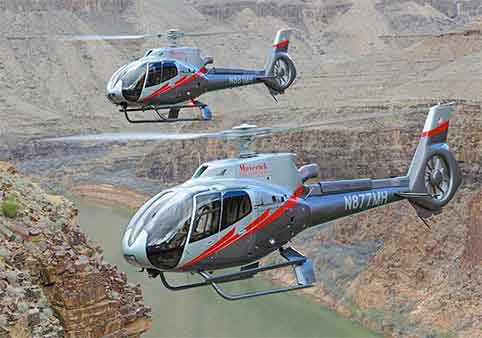
    Canyon Spirit is a Grand Canyon helicopter tour that departs from the South Rim, taking you over the beautiful Kaibab National Forest, home to the world's largest stand of Ponderosa pines. Upon reaching the edge, the rim drops away as the magnificent Grand Canyon comes into full view.More

    Canyon Spirit is a Grand Canyon helicopter tour that departs from the South Rim, taking you over the beautiful Kaibab National Forest, home to the world's largest stand of Ponderosa pines. Upon reaching the edge, the rim drops away as the magnificent Grand Canyon comes into full view.


    Grand Canyon UTV Tours

    YOU DRIVE one of our UTVs as you follow one of our expert guides taking you on an adventure of a lifetime. Our cross country leading to Grand Canyon is a full-day ride and our Verde River Tour is a 4-hour ride. All of our rides are radio-dispatched with check-in points to
    YOU DRIVE one of our UTVs as you follow one of our expert guides taking you on an adventure of a lifetime. Our cross country leading to Grand Canyon is a full-day ride and our Verde River Tour is a 4-hour ride. All of our rides are radio-dispatched with check-in points to assure your safety and well-being. Don’t worry about getting lost, you’ll be following one of our expert guides leading the way. Don’t worry about breaking down, we have staff standing by to come to the rescue. What we are trying to say is just don’t worry as you enjoy the adventure of a lifetime, and we’ll see ya on the trail.

    Arizona Private Tours

    Arizona Private Tours is the leading private tour agency in Northern Arizona. We specialize in safe & sanitary custom tours. We pick up guests in Flagstaff and spend our day exploring scenic Arizona in an intimate setting with an expert guide in comfort. Our luxury SUV's will take you and
    Arizona Private Tours is the leading private tour agency in Northern Arizona. We specialize in safe & sanitary custom tours. We pick up guests in Flagstaff and spend our day exploring scenic Arizona in an intimate setting with an expert guide in comfort. Our luxury SUV's will take you and up to 6 guests on a completely customizable tour of Northern Arizona. For majestic private Grand Canyon tours to Verde Valley Wine tours & ghost towns in the Sedona area, we cover it all. Let us create the custom tour of your dreams and know that we want to make this a day that you will remember for the rest of your life.

    Grand Canyon South Rim Self-Guided Driving Tour

    Witness one of the natural wonders of the world in all its glory. The Grand Canyon is so massive, and awe-inspiring that you simply must see it with your own two eyes to truly understand its scale. This value-for-money self-guided tour takes you to all the best vistas and hiking trails. Ex
    Witness one of the natural wonders of the world in all its glory. The Grand Canyon is so massive, and awe-inspiring that you simply must see it with your own two eyes to truly understand its scale. This value-for-money self-guided tour takes you to all the best vistas and hiking trails. Explore Grand Canyon at your own pace with over 60 stories laid out on a 45-mile route.
  • Fully Guided Personal Tours
  • Professionally Narrated Stories
  • Works Offline
  • Fun Facts
  • Tour At Your Own Pace
  • Location Aware, Plays Automatically
  • Don’t Miss Any Sightseeing Points
  • No Groups. No Tips

  • Grand Canyon South Rim Tour from Phoenix & Scottsdale with Sedona

    Journey through stunning Arizona landscapes on this full-day tour from the Phoenix-Scottsdale area. Visit the Grand Canyon and explore Route 66 with an expert guide who handles all the driving and logistics, leaving you free to soak in the incredible scenery. Explore highlights of the Gran
    Journey through stunning Arizona landscapes on this full-day tour from the Phoenix-Scottsdale area. Visit the Grand Canyon and explore Route 66 with an expert guide who handles all the driving and logistics, leaving you free to soak in the incredible scenery. Explore highlights of the Grand Canyon, and drive through the Sonoran Desert on this small-group tour. With numbers limited to 13 participants, you can enjoy a more intimate experience of the Southwest's natural beauty. Choose between a small-group or private option.

    Grand Canyon Expeditions

    The Grand Canyon is one of the wonders of the world, and what better way to see it than from its heart, on a Colorado river rafting trip? This unique trip down the Grand Canyon ranges from running world-class rapids to hiking and swimming in the side canyons to investigating the remains le
    The Grand Canyon is one of the wonders of the world, and what better way to see it than from its heart, on a Colorado river rafting trip? This unique trip down the Grand Canyon ranges from running world-class rapids to hiking and swimming in the side canyons to investigating the remains left by the first inhabitants of the Grand Canyon. Let our experienced guides show you the wonders of the Grand Canyon. This is not a tour of the Grand Canyon, it's an adventure!

    SPECIAL OFFER
    Advantage Grand Canyon

    Advantage Grand Canyon

    As a central reservation service for all 16 Grand Canyon Rafting Outfitters, we can help you find your ideal adventure, at no additional cost! Our Trip Finder let's you browse all of the trips offered and compare them apples to apples! Not sure what questions to ask or where to start? No P
    As a central reservation service for all 16 Grand Canyon Rafting Outfitters, we can help you find your ideal adventure, at no additional cost! Our Trip Finder let's you browse all of the trips offered and compare them apples to apples! Not sure what questions to ask or where to start? No Problem! Contact us and our educated team will provide you with detailed information on river trips that fit within your travel preferences. Our goal is to create an enjoyable, free and unbiased experience for you while navigating the many options of traveling through one of America's most prized possessions. Take the Advantage!

    Wildland Trekking

    Go on an epic journey to the Grand Canyon! Services include 1 to 8 day hiking adventures, tasty backcountry cuisine, and quality gear served up by America's most experienced and knowledgeable Grand Canyon guides. 25+ years experience in adventure travel.

    Western River Expeditions

    Discover the Grand Canyon, endless in scenic wonder, rich in Native American history and loaded with fun and adventure, Western River Expeditions' Grand Canyon tours are a once-in-a-lifetime experience. Exploring the Grand Canyon by river is an experience unlike any other. Discover hidden
    Discover the Grand Canyon, endless in scenic wonder, rich in Native American history and loaded with fun and adventure, Western River Expeditions' Grand Canyon tours are a once-in-a-lifetime experience. Exploring the Grand Canyon by river is an experience unlike any other. Discover hidden waterfalls and paradisiacal side canyons - areas of Grand Canyon National Park that are accessible only by river.

    Pink Jeep Tours

    Enjoy first-class comfort with a passionate tour guide to the Grand Canyon's stunning West Rim. Travel by Tour Trekker and transform your trip into the experience of a lifetime, creating memories of the history, geology and more from expert guides.

    Sedona Red Rock Tours

    Sedona Red Rock Tours combines adventure with refinement, offering guided experiences that showcase Sedona’s stunning red rock landscapes with the elevated service of a luxury tour. Whether you’re exploring world-famous trails, enjoying quiet moments at hidden viewpoints, or indulging in a
    Sedona Red Rock Tours combines adventure with refinement, offering guided experiences that showcase Sedona’s stunning red rock landscapes with the elevated service of a luxury tour. Whether you’re exploring world-famous trails, enjoying quiet moments at hidden viewpoints, or indulging in a private wine-country outing, every element of your tour is crafted with care. With expert local guides, intimate group sizes, and itineraries tailored to your interests, we create meaningful, memorable experiences that let you discover Sedona exactly the way you want, immersive, personalized, and unforgettable.

    Canyon Dave Tours

    Here is the essence: we specialize in good times, splendid viewpoints, and entertaining education. You get an in-depth look into the natural science behind the scenes. You take home a thorough knowledge of where you've been and what it looked like. You won't forget your viewpoints and ours
    Here is the essence: we specialize in good times, splendid viewpoints, and entertaining education. You get an in-depth look into the natural science behind the scenes. You take home a thorough knowledge of where you've been and what it looked like. You won't forget your viewpoints and ours, and you won't feel that you've missed something and have to come again (unless you want to). Isn't this how you travel?

    Maverick Helicopter Tours from Las Vegas

    Maverick Helicopters offers tours of the Grand Canyon West Rim and South Rim. Maverick brings VIP service to the canyon with climate-controlled helicopters and unobstructed views perfect for sightseeing. They give you an adventure of a lifetime and not just another tour of the Grand Canyon
    Maverick Helicopters offers tours of the Grand Canyon West Rim and South Rim. Maverick brings VIP service to the canyon with climate-controlled helicopters and unobstructed views perfect for sightseeing. They give you an adventure of a lifetime and not just another tour of the Grand Canyon.

    Colorado River & Trail Expeditions Grand Canyon Rafting

    Colorado River & Trail Expeditions offers rowing, paddle, motor, kayak support, and hybrid all-inclusive rafting trips. We offer a variety of trip lengths and options. We specialize in taking our clients to the best spots in the Grand Canyon. We pride ourselves in having friendly experi
    Colorado River & Trail Expeditions offers rowing, paddle, motor, kayak support, and hybrid all-inclusive rafting trips. We offer a variety of trip lengths and options. We specialize in taking our clients to the best spots in the Grand Canyon. We pride ourselves in having friendly experienced guides, serving great food, and supplying our customers with the most modern equipment and gear. In addition we are a member of various environmental groups and do our best to take care of the Grand Canyon and our Earth. We are a family business celebrating 50 years in 2021!

    Grand Canyon South Rim Signature Air & Ground Tour with PJX

    Marvel at the Grand Canyon's vast expanse and some of the American Southwest's most awe-inspiring terrain during a scenic flight from Phoenix. Your pilot flies at the perfect altitude to clearly view the natural beauty of Arizona, including Tonto National Forest, San Francisco Peaks, Monte
    Marvel at the Grand Canyon's vast expanse and some of the American Southwest's most awe-inspiring terrain during a scenic flight from Phoenix. Your pilot flies at the perfect altitude to clearly view the natural beauty of Arizona, including Tonto National Forest, San Francisco Peaks, Montezuma Well, and the Red Rocks of Sedona. Experience this majestic wilderness from the ground and air on a day-long tour that includes a stop in the National Park and the historic village.

    Antelope Canyon and Horseshoe Bend Day Adventure from Scottsdale or Phoenix

    Embark on a guided tour around the Lower Antelope Canyon, led by a professional native to the area. After exploring the stunning canyon, fuel up with a lavish lunch in Page, Arizona. Then, witness one of the most breathtaking views in North America at Horseshoe Bend. The entire experience
    Embark on a guided tour around the Lower Antelope Canyon, led by a professional native to the area. After exploring the stunning canyon, fuel up with a lavish lunch in Page, Arizona. Then, witness one of the most breathtaking views in North America at Horseshoe Bend. The entire experience lasts between 12 to 14 hours from pickup to drop-off, with lunch, Lower Antelope Canyon tickets, and Horseshoe Bend admission included.

    Full-Day Guided Trip to The Grand Canyon from Phoenix

    The Grand Canyon is a must-see destination in the southwest. Visit the natural wonder as well as other landmarks on this excursion from Phoenix. Feel the natural healing powers of Sedona as you explore the Chapel of the Holy Cross vortex and then make your way to Oak Creek Canyon Vista. Fi
    The Grand Canyon is a must-see destination in the southwest. Visit the natural wonder as well as other landmarks on this excursion from Phoenix. Feel the natural healing powers of Sedona as you explore the Chapel of the Holy Cross vortex and then make your way to Oak Creek Canyon Vista. Finally, head to the Grand Canyon where you enjoy views from several viewpoints before heading back to Phoenix.

    Sedona and Grand Canyon Full-Day Tour

    Visit two of Arizona’s most impressive natural wonders in one day—the mighty Grand Canyon and Bell Rock in Sedona. On this full-day tour, enjoy a personalized experience with a small-group size and free time to explore both sites. In Sedona, visit Bell Rock Vista, the Chapel of the Holy Cr
    Visit two of Arizona’s most impressive natural wonders in one day—the mighty Grand Canyon and Bell Rock in Sedona. On this full-day tour, enjoy a personalized experience with a small-group size and free time to explore both sites. In Sedona, visit Bell Rock Vista, the Chapel of the Holy Cross, and the uptown shopping area, then continue to the Grand Canyon South Rim and take in the views from Grand Canyon Village and Yavapai Point.

    Grand Canyon with Sedona and Oak Creek Canyon Van Tour

    Visit Grand Canyon National Park, with a stop for pictures of the Red Rocks of Sedona, on this 13-hour tour from the Phoenix area. On the way, Travel through beautiful Oak Creek Canyon, where you can browse local crafts if you wish. When you reach the Grand Canyon, make stops in the park t
    Visit Grand Canyon National Park, with a stop for pictures of the Red Rocks of Sedona, on this 13-hour tour from the Phoenix area. On the way, Travel through beautiful Oak Creek Canyon, where you can browse local crafts if you wish. When you reach the Grand Canyon, make stops in the park to see the natural wonder from multiple viewpoints.

    Fun 66 Tours

    Your unforgettable Route 66 adventure begins in Williams, AZ, known as the Gateway to the Grand Canyon. This charming town was once a bustling stop on the Mother Road before I-40 bypassed it, leaving the town to find new ways to survive. This unique story of small-town resilience is part o
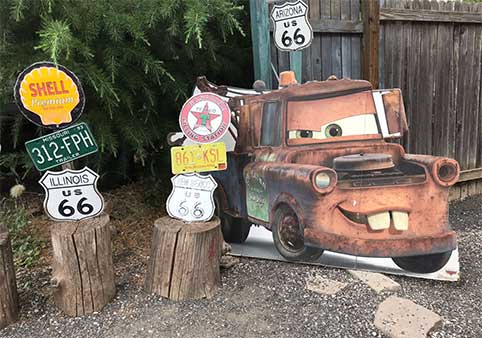
    Your unforgettable Route 66 adventure begins in Williams, AZ, known as the Gateway to the Grand Canyon. This charming town was once a bustling stop on the Mother Road before I-40 bypassed it, leaving the town to find new ways to survive. This unique story of small-town resilience is part of what makes your journey so special, and along the way, you’ll learn all about the real-life inspiration for the Disney movie Cars. Meet the beloved Tow Mater for a fun photo op and see where the magic of Radiator Springs was born. Still more you’ll See Grand Canyon Caverns, learn of the Natives still living in Grand Canyon and much more!