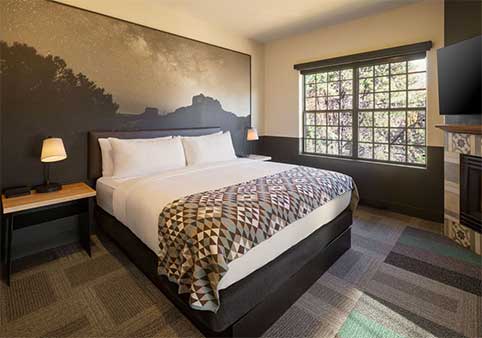
Phantom Ranch is one of the most extraordinary human outposts in the National Park System. Hidden beside Bright Angel Creek near the Colorado River, it sits nearly a vertical mile below the South Rim in a landscape accessible only by trail, mule, or river.
For hikers arriving after the long descent through the canyon, Phantom Ranch feels almost improbable. Cottonwood trees cast shade across rustic stone cabins, cold creek water flows through the desert, and people gather in a place completely separated from roads, parking lots, and the developed world above.
GrandCanyon.net treats Phantom Ranch not simply as lodging, but as the concluding chapter of the descent into the canyon. It is where geology, water, architecture, human endurance, and daily life meet at the bottom of one of Earth’s greatest landscapes.
Phantom Ranch at a Glance
| Feature | Details |
|---|---|
| Location | Beside Bright Angel Creek near the Colorado River |
| Elevation | Approximately 2,460 feet above sea level |
| Completed | 1922 |
| Architect | Mary Colter |
| Original Developer | Fred Harvey Company and Santa Fe Railway |
| Access | By hiking trail, permitted mule travel, or river trip |
| Setting | Bright Angel Creek near the Colorado River and Inner Gorge |
| Known For | Remote cabins, historic architecture, creekside shade, and life below the rim |
Mary Colter designed Phantom Ranch as a small group of rustic buildings using native stone and wood. Completed in 1922, the settlement was intentionally created to fit the natural setting near Bright Angel Creek rather than compete with it. :contentReference[oaicite:0]{index=0}
The Final Chapter of the Descent
Reaching Phantom Ranch completes a transformation that begins at the South Rim.
| Descent Chapter | What Changes |
|---|---|
| Ooh Aah Point | The canyon first surrounds you. |
| Cedar Ridge | The landscape opens in every direction. |
| Skeleton Point | The Colorado River finally appears. |
| The Tipoff | You enter the Inner Canyon. |
| Black Bridge | You cross the Colorado River. |
| Phantom Ranch | You discover life at the bottom. |
Why Phantom Ranch Exists Here
The location was chosen because Bright Angel Creek creates something rare in the Inner Canyon: dependable water, shade, vegetation, and a natural travel corridor.
Without the creek, this section of the canyon would be hotter, drier, and far less hospitable. With it, cottonwoods and other plants can grow, wildlife can find water, and people can pause in relative comfort before continuing across the canyon or beginning the climb toward a rim.
Water Creates the Oasis
Phantom Ranch exists because Bright Angel Creek softens an otherwise severe desert environment. The creek supports shade, wildlife, human settlement, and one of the canyon’s most important trail corridors.
Mary Colter at the Bottom of the Canyon
Phantom Ranch is one of Mary Colter’s most unusual projects. Unlike Desert View Watchtower or Lookout Studio, it was not designed primarily to frame a view. It needed to provide shelter, food, and rest in an isolated environment where every building material was difficult to transport.
Colter responded with modest cabins and a central lodge built from native stone and wood. Their scale, texture, and low profiles help the buildings blend into the creekside landscape.
The result reflects the same philosophy seen throughout her Grand Canyon work: architecture should belong to the setting rather than announce itself above it.
Before Phantom Ranch
The Bright Angel Creek area served travelers before the Fred Harvey development arrived. An earlier tourist camp known as Rust’s Camp occupied the general area and provided basic accommodations for visitors reaching the canyon floor.
In 1922, the Fred Harvey Company and Santa Fe Railway developed the more permanent settlement that became Phantom Ranch, replacing the improvised character of the earlier camp with a carefully designed collection of cabins and visitor facilities. :contentReference[oaicite:1]{index=1}
Why It Is Called Phantom Ranch
The name reflects the mysterious quality of a place hidden so deeply within the canyon that it cannot be seen from most viewpoints above. For travelers on the rim, Phantom Ranch feels almost imaginary. For those who reach it, the settlement appears unexpectedly among trees and flowing water after miles of rock and desert.
That sense of discovery remains central to its identity. Phantom Ranch is not encountered from a highway or scenic pullout. It reveals itself only after a substantial journey into the canyon.
Life Beside Bright Angel Creek
Daily life at Phantom Ranch follows the rhythms of the Inner Canyon. Temperatures rise and fall with the season, mule trains and hikers move through the creek corridor, and the sound of water becomes a constant presence.
The experience is defined as much by what is absent as by what is present. There are no private vehicles, traffic lights, or ordinary city noises. Supplies arrive through extraordinary logistical effort, and nearly every person encountered has reached the ranch through the canyon itself.
| At the South Rim | At Phantom Ranch |
|---|---|
| Ponderosa pine forest | Warm desert creek corridor |
| Roads and shuttle buses | Trails, hikers, and mule trains |
| Wide panoramic overlooks | Towering canyon walls close overhead |
| Cooler temperatures | Much warmer Inner Canyon conditions |
| The canyon is below you | The canyon surrounds your entire world |
A Community at the Bottom of the Canyon
Although many visitors spend only a few hours at Phantom Ranch, others stay overnight before continuing a rim-to-rim adventure or beginning the long climb back to the South Rim. Rangers, maintenance crews, mule handlers, and seasonal staff also live and work here, making Phantom Ranch a small but active community in one of the most remote locations in the National Park System.
Everything required to support that community must arrive by trail, mule train, or helicopter during approved operational flights. Food, building materials, mail, maintenance supplies, and equipment all travel through the canyon, highlighting the extraordinary logistics required to operate even a modest settlement at the bottom of the Grand Canyon.
The Landscape Surrounding Phantom Ranch
Phantom Ranch occupies a unique setting where Bright Angel Creek meets the Colorado River corridor. Towering cliffs rise in every direction while cottonwood trees and flowing water soften the harsh desert environment.
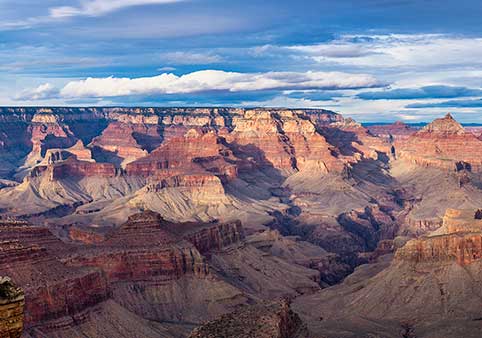
Unlike the broad panoramic viewpoints of the South Rim, visitors here experience the canyon from within. Looking upward reveals nearly a vertical mile of rock towering overhead, creating one of the most dramatic perspectives anywhere in the park.
| Natural Feature | Why It Matters |
|---|---|
| Bright Angel Creek | Provides year-round water that supports the oasis environment. |
| Cottonwood Trees | Create valuable shade during the warmer months. |
| Inner Gorge | Exposes some of Earth's oldest visible rocks. |
| Colorado River | The force responsible for carving the Grand Canyon. |
| Steep Canyon Walls | Reveal the immense depth separating Phantom Ranch from the South Rim. |
Wildlife Around Phantom Ranch
Reliable water attracts wildlife that is rarely encountered on the upper South Rim. Birds gather along Bright Angel Creek, mule deer occasionally browse the creek corridor, and reptiles take advantage of the warm desert environment.
Visitors should remember that this is still a wild ecosystem. Feeding wildlife is prohibited, and securely storing food helps protect both animals and future visitors.
The Sound of the Canyon
One of the most memorable aspects of Phantom Ranch is not something visitors see, but something they hear.
Bright Angel Creek flows continuously through the ranch, creating a soundtrack that contrasts with the silence of the surrounding cliffs. At night, the creek, wind, insects, and distant river combine to create an atmosphere unlike anywhere on the South Rim.
Listen for the Creek
Many visitors remember the sound of Bright Angel Creek as vividly as the scenery itself. After hours of hiking through dry canyon walls, the constant movement of water becomes an unforgettable part of the Phantom Ranch experience.
Daily Life at Phantom Ranch
Life at Phantom Ranch revolves around the rhythms of the canyon rather than the clock. Hikers often arrive early to avoid afternoon heat, mule trains follow carefully planned schedules, and meals are served at specific times because supplies and staffing are limited.
This slower pace encourages visitors to appreciate something that is increasingly rare: a place where the landscape determines the schedule instead of technology or traffic.
A Different Kind of Night Sky
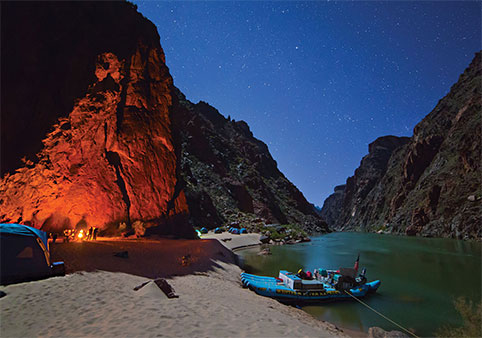
For overnight guests, Phantom Ranch offers one of the darkest night skies in Grand Canyon National Park. High canyon walls frame the stars overhead, creating a dramatically different experience from viewing the sky at the South Rim.
Depending on the season and moon phase, visitors may see the Milky Way stretching above the canyon while the surrounding cliffs disappear into darkness. It is a reminder that the Grand Canyon is as remarkable after sunset as it is during the day.
Why Phantom Ranch Matters
Phantom Ranch represents much more than a destination for hikers. It demonstrates how people have learned to live, work, and travel within one of the world's most demanding landscapes while respecting its natural character.
It also illustrates Mary Colter's architectural philosophy at its most practical. Instead of creating a grand statement, she designed a place that quietly belongs to its surroundings, allowing the canyon itself to remain the center of every visitor's experience.
Frequently Asked Questions
What is Phantom Ranch?
Phantom Ranch is a historic lodging and dining facility at the bottom of the Grand Canyon near Bright Angel Creek. Designed by Mary Colter and completed in 1922, it is the only overnight lodging located below the canyon rim within Grand Canyon National Park.
Can you drive to Phantom Ranch?
No. Phantom Ranch is accessible only by hiking, riding a permitted mule trip, or arriving on a licensed Colorado River rafting expedition.
Who designed Phantom Ranch?
Phantom Ranch was designed by Mary Colter, whose philosophy emphasized architecture that blends naturally with the surrounding landscape. The ranch remains one of her most remarkable Grand Canyon projects.
Why is Phantom Ranch so famous?
Its remote location, historic cabins, limited availability, and unique setting beside Bright Angel Creek have made Phantom Ranch one of the most sought-after overnight experiences in the National Park System.
Can you visit Phantom Ranch without staying overnight?
Yes. Many hikers visit Phantom Ranch as part of a day hike or rim-to-river adventure before returning to the South Rim. Others stop briefly while hiking rim-to-rim.
Is Phantom Ranch air conditioned?
No. The cabins are designed for the desert environment, and summer temperatures at the bottom of the canyon can be significantly warmer than those on the South Rim.
How hot does Phantom Ranch get?
Summer temperatures at Phantom Ranch frequently exceed 100°F (38°C), making hydration, sun protection, and an early start essential for anyone hiking to or from the ranch.
How do you reserve Phantom Ranch?
Reservations are managed through Grand Canyon National Park's lodging concessioner and are in extremely high demand. For planning an overnight stay, go to Grand Canyon Lodges.
The GrandCanyon.net Descent Series Scorecard
| Experience | Rating |
|---|---|
| Historic Significance | ★★★★★ |
| Interpretive Value | ★★★★★ |
| Mary Colter Architecture | ★★★★★ |
| Natural Setting | ★★★★★ |
| Sense of Place | ★★★★★ |
| Overall Experience | ★★★★★ |
What Changes Here?
The Journey Ends... and Begins Again
For the first time since leaving the South Rim, you are no longer simply descending. You've arrived at a place where people live, work, rest, and recover before beginning the journey back through the canyon.
The Canyon Becomes Home
Instead of passing through the landscape, you become part of it. Meals, conversations, shade, flowing water, and the rhythm of canyon life replace the constant focus on hiking.
Your Perspective Reverses
Looking upward from Phantom Ranch reminds you that nearly a vertical mile of canyon separates you from the forests of the South Rim. The journey you've completed suddenly feels even more remarkable.
You Understand the Grand Canyon Differently
The Grand Canyon is no longer just a scenic destination. It has become a place experienced through effort, geology, history, architecture, water, and time.
Imagine This Place 100 Years Ago
Picture the Scene
Imagine arriving on foot after a long descent in the 1920s. Mule trains stand nearby, supplies are being unloaded by hand, lanterns glow beneath the cottonwood trees, and hikers gather outside the stone lodge sharing stories from the trail.
What Hasn't Changed
Bright Angel Creek still flows beside the cabins. The canyon walls still rise thousands of feet overhead. The stars still fill the narrow ribbon of sky after sunset.
What This Place Teaches
Despite advances in equipment and transportation, Phantom Ranch continues rewarding the same qualities it did a century ago: preparation, patience, curiosity, and respect for the canyon.
Our Recommended Phantom Ranch Experience
Slow Down
After hours of hiking, resist the urge to rush. Sit beside Bright Angel Creek and let your surroundings replace the pace of the trail.
Notice the Architecture
Look closely at the stonework, wood, and modest scale of the cabins. Mary Colter designed them to belong here rather than dominate the landscape.
Look Up Often
The towering canyon walls provide one of the most dramatic reminders of how far you've descended from the South Rim.
Appreciate the Oasis
Water, shade, and vegetation make Phantom Ranch possible. Without Bright Angel Creek, this remarkable place could not exist.
Continue Exploring the Inner Canyon
Phantom Ranch concludes the Descent Series, but it also begins a deeper understanding of life inside the Grand Canyon. Continue exploring the places, people, and natural forces that shape this extraordinary landscape.