Summer is the busiest season at Grand Canyon National Park, welcoming millions of visitors from around the world. Long daylight hours, fully operating visitor services, family vacations, and warm weather make June through August one of the most popular times to experience the South Rim.
While summer offers incredible opportunities for sightseeing, hiking, ranger programs, and scenic drives, it also presents unique challenges. Crowded viewpoints, limited parking, afternoon thunderstorms, and extreme heat below the rim require careful planning to enjoy the park safely.
Summer at a Glance
| Season | June through August |
|---|---|
| Average South Rim Highs | Approximately 75°F to 84°F |
| Crowds | Very High |
| Best For | Family vacations, scenic drives, ranger programs, photography, and overnight stays |
| Watch For | Extreme heat below the rim, afternoon monsoons, crowded parking, and long shuttle lines |
Why Visit in Summer?
Summer offers the greatest variety of visitor services and activities. Every major facility on the South Rim is operating, shuttle buses run frequently, and long daylight hours make it possible to experience sunrise, scenic drives, afternoon activities, and sunset all in the same day.
Families especially appreciate summer because school vacations allow longer trips, while photographers benefit from dramatic afternoon clouds that often develop during the Southwest monsoon season.
June
June is generally warm, dry, and sunny. The South Rim remains comfortable for sightseeing, but temperatures inside the canyon rise rapidly. Visitors hiking below the rim should begin before sunrise and finish well before the hottest part of the day.
July
July brings the year's highest visitation and the beginning of the North American monsoon season. Afternoon thunderstorms become increasingly common, producing dramatic clouds, brief heavy rain, lightning, and occasional hail.
Morning often provides the best conditions for hiking and photography before storms develop later in the day.
August
August continues the monsoon pattern with warm temperatures and frequent afternoon storms. While rain showers are usually brief, lightning can pose a serious hazard along exposed viewpoints and hiking trails.
Visitors should monitor the weather throughout the day and move indoors or to their vehicle if thunderstorms approach.
Summer Weather
One of the biggest surprises for first-time visitors is how comfortable the South Rim can feel despite visiting Arizona in summer. At roughly 7,000 feet above sea level, temperatures are often much cooler than Phoenix, Las Vegas, or other desert destinations.
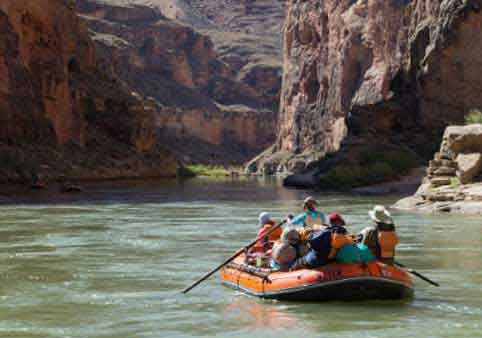
The Colorado River tells a very different story. Temperatures at the bottom of the canyon commonly exceed 100°F during the summer, creating dangerous hiking conditions for anyone attempting long descents.
| Month | Typical High | Typical Low | Conditions |
|---|---|---|---|
| June | 76–81°F | 44–48°F | Warm, dry, and sunny |
| July | 81–84°F | 50–54°F | Warm with afternoon monsoon storms |
| August | 79–82°F | 48–52°F | Warm with frequent afternoon thunderstorms |
Summer Crowds
Summer is the busiest season of the year at Grand Canyon National Park. School vacations, international tourism, and favorable weather combine to create heavy visitation throughout June, July, and August.
Parking lots near the Visitor Center and Grand Canyon Village often fill early, particularly on weekends and holidays. Arriving before 9:00 a.m. gives you the best chance of finding convenient parking while also avoiding the hottest part of the day.
Shuttle buses remain one of the easiest ways to explore the South Rim during summer, allowing visitors to avoid moving their vehicles between popular viewpoints.
Heat Safety: The Most Important Summer Topic
The South Rim's comfortable temperatures can create a false sense of security. Many visitors underestimate how quickly temperatures rise below the rim, where summer afternoons frequently exceed 100°F.
Every year, park rangers respond to heat-related emergencies involving hikers who carried too little water, underestimated the climb back to the rim, or began hiking too late in the day.
Summer Hiking Safety
- Start hikes before sunrise whenever possible.
- Carry plenty of water and drink regularly.
- Eat salty snacks to replace electrolytes.
- Turn around long before becoming tired.
- Never expect the hike back up to take the same amount of time as the descent.
- Watch for symptoms of heat exhaustion and dehydration.
Remember one of the Grand Canyon's most important rules: Going down is optional. Coming back up is mandatory.
The Summer Monsoon Season
Beginning in early July, the Southwest monsoon often brings afternoon thunderstorms to northern Arizona. These storms can develop quickly, producing lightning, heavy rain, gusty winds, and occasionally hail.
While the storms are often brief, they create spectacular cloud formations and dramatic lighting that many photographers love. At the same time, lightning makes exposed overlooks and ridgelines dangerous places to remain during active storms.
If thunder is audible, leave exposed viewpoints and seek shelter inside a building or enclosed vehicle until the storm passes.
Best Summer Activities
- Watch sunrise before the crowds arrive.
- Ride the Hermit Road shuttle.
- Drive Desert View Drive.
- Attend ranger-led programs.
- Explore Grand Canyon Village.
- Photograph afternoon storm clouds.
- Watch sunset from the South Rim.
- Enjoy stargazing after dark.
Wildlife During Summer
Wildlife remains active throughout the summer, although many animals become more active during the cooler morning and evening hours. Early risers often have the best opportunities to observe mule deer, elk, ravens, squirrels, and California condors.
Always maintain a safe distance from wildlife and never feed animals. Human food can harm wildlife and encourages dangerous behavior around visitors.
Summer Photography
Summer photographers benefit from long days, colorful sunsets, and dramatic monsoon skies. Towering thunderheads often build throughout the afternoon, adding depth and texture to landscape photographs even if rain never reaches the canyon.
Sunrise generally provides the clearest visibility, while evening storms can create vibrant sunsets as clouds catch the fading light.
What to Pack for a Summer Visit
Summer visitors should pack for warm days, cool mornings, and rapidly changing weather during the monsoon season. Even though the South Rim is much cooler than Arizona's lower deserts, the high elevation means temperatures can change quickly between sunrise and sunset.
- Refillable water bottles or hydration pack
- Wide-brim hat and sunglasses
- High-SPF sunscreen and lip balm
- Lightweight, breathable clothing
- Light rain jacket for afternoon storms
- Comfortable hiking shoes
- Electrolyte tablets or sports drinks for longer hikes
- Small first-aid kit
- Camera and binoculars
- Light fleece or jacket for sunrise and evening
Where to Stay in Summer
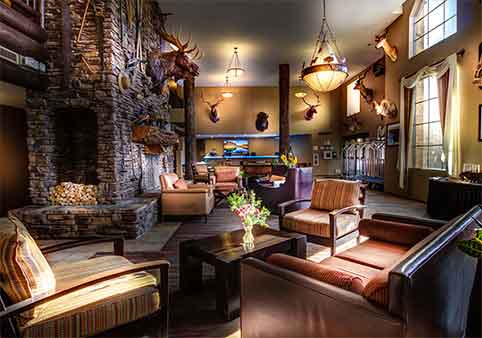
Summer is the busiest lodging season at the Grand Canyon. Hotels inside Grand Canyon National Park often sell out months in advance, especially during June, July, and holiday weekends.
Tusayan offers the closest accommodations outside the park entrance, while Williams and Flagstaff provide additional lodging choices for visitors planning longer Northern Arizona road trips.
Booking your accommodations early also gives you a better chance of experiencing sunrise and sunset without long drives before or after your visit.
Summer Travel Tips
- Enter the park early to avoid parking congestion.
- Use the free shuttle system whenever possible.
- Complete longer walks during the morning hours.
- Carry more water than you think you'll need.
- Watch weather forecasts for afternoon thunderstorms.
- Take frequent breaks in shaded or indoor areas.
- Stay for sunset and enjoy the cooler evening temperatures.
- Consider spending a second night to avoid rushing through the park.
Frequently Asked Questions
Is summer a good time to visit the Grand Canyon?
Yes. Summer offers the longest days, full visitor services, ranger programs, and excellent sightseeing opportunities. Visitors should simply plan around crowds and the possibility of afternoon thunderstorms.
How hot is the Grand Canyon in summer?
The South Rim is usually much cooler than Phoenix or Las Vegas, with daytime highs often ranging from the upper 70s to low 80s. Temperatures inside the canyon, however, frequently exceed 100°F.
Can I hike below the rim during summer?
Yes, but only with careful preparation. Start before sunrise, carry plenty of water, and avoid attempting long hikes during the hottest part of the day.
When does monsoon season begin?
Monsoon weather typically develops during early July and continues through August, bringing afternoon thunderstorms, lightning, and occasional heavy rain.
Are afternoon storms dangerous?
Lightning can be extremely dangerous along exposed overlooks and trails. If thunderstorms approach or you hear thunder, move to a building or enclosed vehicle until the storm passes.
Are shuttle buses available throughout summer?
Yes. Summer is one of the busiest seasons for the park's shuttle system, making it an excellent way to reach popular viewpoints without searching for parking.
Should I make hotel reservations early?
Absolutely. Summer is the busiest travel season, and lodging inside the park and in Tusayan often fills several months in advance.
What is the best time of day for sightseeing?
Early morning is generally the most comfortable time for hiking and photography. Evening is another excellent time to enjoy cooler temperatures and spectacular sunsets.
Continue Planning Your Summer Vacation
Make the most of your summer visit with these helpful Grand Canyon planning guides.
Best Time to Visit the Grand Canyon »
Family Grand Canyon Itinerary »
Grand Canyon Photography Guide »