The best time to visit the Grand Canyon depends on what you want from the trip. Spring and fall usually provide the most comfortable balance of weather and crowds, summer offers the fullest range of visitor services, and winter rewards prepared travelers with quiet viewpoints and occasional snow-covered scenery.
Your choice of rim also matters. The South Rim remains open throughout the year, while vehicle access and most visitor services at the North Rim are seasonal. Conditions within the canyon can also be dramatically warmer than those at either rim, particularly during summer.
Best Time to Visit at a Glance
| Travel Priority | Best Time to Visit |
|---|---|
| Best Overall Weather | April through May and September through October |
| Fewest Crowds | January through February, excluding holiday periods |
| Best Hiking Conditions | March through May and September through November |
| Best for Families | Late May through August |
| Best for Photography | October through April |
| Best Chance of Snow | December through February |
| Best for North Rim Access | Late May through September |
| Best for Lower Lodging Demand | January, February, and portions of November and December |
For most first-time visitors, late April, May, September, and October provide the strongest combination of pleasant South Rim weather, accessible viewpoints, comfortable walking conditions, and fewer crowds than the height of summer.
Comparing the Four Seasons
| Season | Crowds | South Rim Weather | Best For |
|---|---|---|---|
| Spring » | Moderate, increasing through May | Cool to mild with occasional late snow | Hiking, wildlife, photography, and comfortable sightseeing |
| Summer » | Heaviest of the year | Warm days, cool nights, and seasonal thunderstorms | Families, ranger programs, North Rim trips, and long daylight hours |
| Fall » | Moderate, decreasing through November | Warm to cool with generally comfortable conditions | Hiking, photography, wildlife, and fewer crowds |
| Winter » | Light outside holiday periods | Cold with snow and icy conditions possible | Solitude, snow photography, and easier parking |
Spring: Excellent Weather for Hiking and Sightseeing
Spring is one of the most versatile seasons at the Grand Canyon. March may still bring snow and freezing mornings, but conditions become increasingly comfortable through April and May.
Cooler temperatures make spring particularly appealing to hikers. Visitors can walk sections of the Rim Trail, explore scenic overlooks, or descend a short distance below the rim without facing the extreme inner-canyon heat common during summer.
Crowds rise during school spring breaks, Easter, and Memorial Day weekend. Outside those periods, spring generally feels more manageable than the peak summer season.
Spring is best for:
Hiking, wildlife viewing, scenic drives, photography, and visitors seeking mild weather.
Summer: Best for Families and Full Visitor Services
Summer brings the longest daylight hours, the greatest selection of ranger programs, and access to the widest range of park facilities. It is also the primary season for visiting the North Rim, although travelers should always confirm current access and available services before making the drive.
The South Rim is usually much cooler than Phoenix or Las Vegas, but temperatures rise sharply as hikers descend into the canyon. Summer conditions near the Colorado River can become dangerously hot, making midday hiking below the rim a poor choice.
July and August also bring the Southwest monsoon, when afternoon thunderstorms may produce lightning, heavy rain, strong winds, and dramatic cloud formations.
Summer is best for:
Family vacations, ranger programs, North Rim visits, scenic drives, and travelers who want the greatest selection of services.
Fall: Comfortable Temperatures and Smaller Crowds
Fall combines many of the advantages of spring with even lighter visitation later in the season. September still feels pleasantly warm, October is widely regarded as one of the best months to visit, and November offers peaceful viewpoints before winter arrives.
Lower humidity, crisp air, and comfortable hiking conditions make fall particularly appealing to photographers and outdoor enthusiasts. While the Grand Canyon is not famous for extensive fall foliage, changing leaves around the South Rim forests add beautiful seasonal color.
Wildlife also becomes increasingly active as temperatures cool, making fall one of the better seasons for spotting elk, mule deer, and California condors.
Fall is best for:
Photography, hiking, scenic drives, wildlife viewing, and visitors seeking pleasant weather with moderate crowds.
Winter: Peaceful and Beautiful
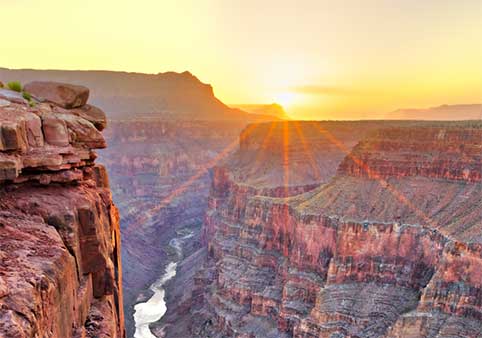
Winter is the Grand Canyon's quiet season. Snow occasionally blankets the South Rim, creating dramatic contrast between bright white forests and the canyon's red rock formations. Parking is easier, viewpoints are less crowded, and photographers often enjoy exceptionally clear air following winter storms.
Visitors should be prepared for freezing mornings, occasional icy trails, and changing road conditions during storms. With proper clothing and flexible travel plans, winter can be one of the most memorable times to experience the park.
Holiday periods around Christmas and New Year's bring a temporary increase in visitation, but much of the season remains pleasantly uncrowded.
Winter is best for:
Snow photography, peaceful sightseeing, quiet hiking, and travelers who prefer fewer crowds.
Best Time to Visit by Activity
| Activity | Recommended Season |
|---|---|
| Hiking | Spring and Fall |
| Photography | Fall, Winter, and Spring |
| Family Vacations | Summer |
| Wildlife Viewing | Spring and Fall |
| Scenic Drives | Spring through Fall |
| Avoiding Crowds | Winter |
| North Rim Visits | Late May through September |
| Snow Scenery | Winter |
Month-by-Month Guide
| Month | What to Expect |
|---|---|
| January | Snow, quiet viewpoints, excellent photography |
| February | Cold mornings with increasing daylight |
| March | Variable weather and the beginning of spring |
| April | Comfortable temperatures and excellent hiking |
| May | Warm weather before peak summer crowds |
| June | Long days and full visitor services |
| July | Busy season with afternoon monsoon storms |
| August | Warm weather and continued monsoon activity |
| September | Comfortable weather with declining crowds |
| October | Outstanding hiking and photography conditions |
| November | Quiet scenery and cool autumn weather |
| December | Holiday visitors and the arrival of winter |
Which Season Should You Choose?
If you're visiting the Grand Canyon for the first time, it's hard to go wrong with late April, May, September, or October. These months generally provide the best balance of comfortable weather, enjoyable hiking conditions, and manageable crowds.
That said, every season offers something unique:
- Choose spring if hiking, wildlife, and mild temperatures are your priorities.
- Choose summer if you're traveling with children, visiting the North Rim, or want the fullest range of visitor services.
- Choose fall if you prefer comfortable weather, lighter crowds, and excellent photography.
- Choose winter if you hope to experience snow-covered landscapes and a quieter Grand Canyon.
When Should You Avoid Visiting?
There is no truly "bad" time to visit the Grand Canyon, but some periods require more planning than others.
Summer afternoons can become dangerously hot for hikers below the rim, while winter storms occasionally affect road conditions and create icy walking surfaces near the canyon rim. Holiday weekends throughout the year also bring heavier traffic, longer entrance lines, and increased demand for lodging.
Knowing what to expect allows you to prepare appropriately and enjoy your visit regardless of the season.
Where to Stay Year-Round
The best lodging location depends on your travel style rather than the season. Staying inside Grand Canyon National Park provides unmatched access to sunrise, sunset, and early morning viewpoints. Tusayan offers convenient hotels just outside the South Entrance, while Williams and Flagstaff are excellent bases for longer Northern Arizona road trips.
If you're visiting during spring break, summer, or fall weekends, reserve accommodations several months in advance whenever possible.
Frequently Asked Questions
What is the overall best month to visit the Grand Canyon?
October and May are frequently considered the two best months thanks to their comfortable temperatures, excellent hiking conditions, and generally manageable crowds.
When is the least crowded time to visit?
January and February are typically the quietest months outside of the Christmas and New Year's holiday period.
What is the best season for hiking?
Spring and fall offer the most comfortable hiking conditions on the South Rim and for shorter hikes below the rim.
When is the North Rim open?
The North Rim is generally accessible from mid-May through mid-October, although opening and closing dates vary depending on weather and operational conditions. Always verify current access before traveling.
Is summer too hot?
The South Rim is usually comfortable for sightseeing, but temperatures inside the canyon become extremely hot. Visitors planning hikes below the rim should start early, carry plenty of water, and avoid the hottest part of the day.
Is winter worth visiting?
Absolutely. Winter offers peaceful viewpoints, beautiful snow-covered scenery, and outstanding photography opportunities that many visitors never experience.
When are hotel prices highest?
Rates are generally highest during spring break, summer vacation, and fall weekends. Booking early provides the best selection and pricing.
What season is best for photography?
Photographers enjoy every season, but fall and winter often provide the clearest air, while spring offers dramatic skies and summer brings colorful monsoon clouds.
Continue Planning Your Grand Canyon Vacation
These planning guides will help you choose the perfect season, itinerary, and activities for your visit.
One-Day Grand Canyon Itinerary »