Grand Canyon Weather
Weather is one of the biggest factors that shapes a Grand Canyon vacation. The park experiences four distinct seasons, dramatic elevation changes, and surprisingly different conditions between the canyon rim and the Colorado River far below. Understanding those differences can help you choose the best time to visit and prepare for changing conditions.
The South Rim remains open year-round and sits at approximately 7,000 feet above sea level, resulting in cooler temperatures than many visitors expect. The North Rim sits even higher at over 8,000 feet, making it noticeably cooler and receiving substantially more winter snowfall. Meanwhile, temperatures inside the canyon increase dramatically as you descend toward the Colorado River.
Grand Canyon Weather at a Glance
| Season | South Rim Weather | Typical Highs | Typical Lows |
|---|---|---|---|
| Spring | Cool mornings and mild afternoons | 50°–70°F | 20°–35°F |
| Summer | Warm days with cool nights | 75°–85°F | 45°–55°F |
| Fall | Warm afternoons and crisp evenings | 55°–75°F | 25°–40°F |
| Winter | Cold with occasional snow | 40°–50°F | 15°–25°F |
Although these temperatures are typical, mountain weather can change quickly. Visitors should always pack layers, even during summer.
Why the Weather Changes So Much
The Grand Canyon is far more than a scenic overlook. It is a massive landscape with thousands of feet of elevation change between the rim and the Colorado River.
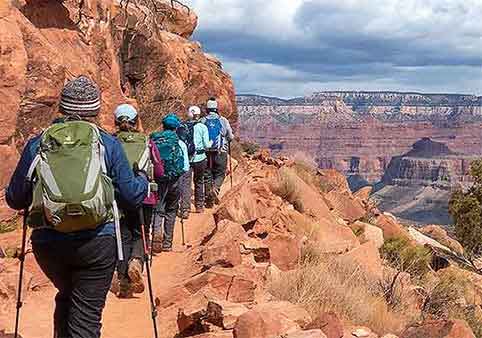
Many first-time visitors are surprised to discover that temperatures can increase by roughly 20 to 30 degrees as they hike toward the river. A pleasant 75°F afternoon at the South Rim may coincide with temperatures exceeding 100°F at Phantom Ranch during the summer months.
This elevation difference is one of the primary reasons National Park Service rangers emphasize careful trip planning for hikers. A hike that begins in cool morning air may end in intense desert heat.
Weather by Season
Spring
Spring brings rapidly changing conditions. March can still see snow, while April and May usually offer comfortable hiking weather and blooming forests around the South Rim.
Complete Spring Weather Guide »
Summer
Summer delivers warm days at the rim, dangerous heat inside the canyon, and afternoon monsoon thunderstorms beginning in July.
Complete Summer Weather Guide »
Fall
Fall is one of the most pleasant times to visit the Grand Canyon. September remains comfortably warm, October offers crisp mornings and mild afternoons, and November brings cooler temperatures with smaller crowds.
Winter
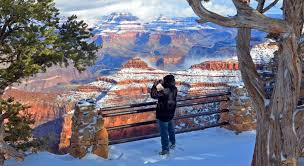
Winter transforms the South Rim into one of the Southwest's most unexpected landscapes. Snowfall is common, mornings are often below freezing, and clear skies frequently follow winter storms, creating spectacular visibility.
Complete Winter Weather Guide »
Monsoon Season
The Southwest monsoon typically develops during July and August, bringing afternoon thunderstorms to the Grand Canyon. While rain often falls for relatively short periods, storms can produce lightning, gusty winds, brief heavy downpours, and rapidly changing trail conditions.
Morning hours generally offer the most stable weather for hiking and sightseeing. During active thunderstorms, visitors should avoid exposed viewpoints, ridgelines, and isolated trees until the storm has passed.
Although storms occasionally interrupt outdoor activities, they also create some of the canyon's most dramatic photography opportunities, with towering clouds, colorful sunsets, and rainbows stretching across the landscape.
Snow at the Grand Canyon
Many visitors are surprised to learn that snowfall is a regular part of winter at the South Rim. Several inches may accumulate during a single storm, while larger winter systems occasionally leave significantly deeper snow before park crews clear roads and walkways.
The North Rim typically receives much heavier snowfall because of its higher elevation. Seasonal road closures are one of the reasons visitor services there operate only during the warmer months.
Snow rarely lingers for extended periods on the South Rim. Bright Arizona sunshine often melts accumulations within a few days, creating an ever-changing landscape throughout the winter season.
What to Pack for Any Weather
One of the best ways to prepare for the Grand Canyon is to dress in layers. Temperatures often change by 30 degrees or more between sunrise and afternoon, and conditions can shift quickly with passing storms or changing elevations.
- Lightweight layers that can be added or removed throughout the day
- A warm fleece or insulated jacket for mornings and evenings
- A waterproof rain jacket during monsoon season
- Comfortable hiking shoes or boots with good traction
- A wide-brimmed hat and sunglasses
- Sunscreen, even during winter
- A reusable water bottle or hydration pack
- Lip balm and moisturizer, as the high desert climate is very dry
- Gloves and a warm hat for late fall, winter, and early spring visits
- A small daypack for extra clothing, snacks, and water
Weather Tips for Grand Canyon Visitors
- Always check the latest National Park Service forecast before arriving.
- Expect cooler temperatures than Phoenix, Las Vegas, or Sedona because of the South Rim's elevation.
- Carry more water than you think you'll need, even when temperatures feel comfortable.
- Start hikes early during warmer months to avoid afternoon heat.
- Prepare for afternoon thunderstorms during July and August.
- Pack extra layers for sunrise and sunset, regardless of the season.
- If snow is forecast, allow extra driving time and check road conditions before leaving.
- Remember that weather at the rim can be dramatically different from conditions inside the canyon.
Frequently Asked Questions
What is the hottest month at the Grand Canyon?
July is typically the warmest month at the South Rim, although temperatures inside the canyon can be much hotter throughout the summer.
What is the coldest month?
January is generally the coldest month, with freezing mornings and occasional snowstorms at the South Rim.
Does it snow every winter?
Snowfall is common at the South Rim during most winters, although the amount varies from year to year.
How much warmer is the bottom of the canyon?
Temperatures near the Colorado River are often 20 to 30 degrees warmer than at the South Rim and can exceed 100°F during summer.
When is monsoon season?
The Southwest monsoon typically occurs during July and August, bringing afternoon thunderstorms, lightning, brief heavy rain, and dramatic cloud formations.
Can weather change quickly?
Yes. Clear mornings can become stormy afternoons, particularly during summer, and temperatures can fluctuate significantly between sunrise and sunset.
Should I check the forecast before visiting?
Absolutely. Mountain weather changes quickly, so reviewing the latest forecast before traveling helps you prepare for changing temperatures, precipitation, and road conditions.
Is the Grand Canyon windy?
Wind is common throughout the year, particularly along exposed viewpoints and rim trails. A lightweight jacket is useful in every season.
GRAND CANYON SOUTH RIM WEATHER
At an elevation of 7,000 feet above sea level, the South Rim of Grand Canyon National Park has a near-perfect climate year-round. With four distinct seasons and all of them ideal for visiting, there is no best time to plan a Grand Canyon vacation at the South Rim. However, the most popular season is summertime, roughly May through September. But one shouldn't be discouraged from visiting any other month; the Canyon is spectacular in winter, dusted with snow, and the shoulder seasons of fall and spring are supreme in their vivid turning leaves and blooming wildflowers.
The climate and its effect on the Grand Canyon's ecosystem is fascinating, and there are excellent sources of information on it, like the National Park Service's page found here. But what interests most visitors, when it comes to talk of the weather, is knowing in advance what to expect so they can pack and dress accordingly.
Summer
With daytime temperatures ranging from 70°F to the mid-80°s and overnight lows in the mid-40°s to upper 50°s, your best bet is to pack layers. Layering your clothes will help you go all day, adding and removing layers with changing conditions. You'll go from fully layered up, standing on Yaki Point for a very chilly pre-dawn hour before sunrise, peeling down during a warm midday walk along the Rim Trail or partway down Bright Angel Trail, and piling back on for an afternoon Monsoon storm or rapidly declining temperature as the sun sets over Hopi Point.
Fill your suitcase or backpack with tanks and tees, long-sleeved tees, shorts, pants, long-sleeved button-down shirts and a mid-weight waterproof jacket. If you're hiking down to the Colorado River, be sure to wear socks and hiking boots that are broken-in and comfortable, and because you may want to wade in Bright Angel Creek near Phantom Ranch at the bottom of the Canyon, pack a day pack with a pair of water sandals among your other essentials. On the rim and down below, always wear sunscreen, a brimmed hat, and sunglasses if you wish.
Winter
With the snow comes a sense of peace and solitude at the South Rim. Certainly less congested than any other time of the year, visitors will find sparser crowds at viewpoints, attractions and visitor areas. The absence of crowds means there's better opportunities for lingering over a hot beverage on the Rim, and spending time during crisp, sunny days walking the Rim Trail and hanging out at overlooks, marveling at the way a dusting of snow defines each million-year-old textured layer of rock below. The key to enjoying your wintertime visit is to bundle up.
Pack and dress in layers. Thermal underwear, long-sleeved tees, flannel button-down shirts and sweaters, warm pants, a down vest and/or parka, gloves, hat and scarf, wool socks and boots are the layers that will take you through the short, cold days on the Rim. Like any other season, you'll want to be able to add and subtract layers as the frigid mornings warm to crisp and sunny afternoons. Because the days are often sunny and you're at a high elevation with thinner atmosphere, don't neglect the sunscreen. You don't want to be deceived by cool temps and come home with a wicked burn across your nose and cheeks.
In December through February, daytime highs hover around the low 40°s, while temperatures plummet to the teens and low 20°s overnight. Snow frequently falls at the South Rim, making for more careful but still possible hiking, especially along South Kaibab Trail, and slower driving conditions. If you encounter snowy roads, approach the South Rim via Williams on Highway 64; it's your best bet for timely snowplows and road salt.
Spring/Fall
The shoulder seasons at the South Rim of the Grand Canyon offer a glorious color story. The Kaibab Plateau surrounding the South and North Rims is ablaze with wildflowers from late March through May and with golden aspen in early October. The spring and fall are less crowded, but if your travel dates fall in March-April or October-November, you'll still be able to find the full array of Ranger Programs, free shuttle bus routes, and other peak-season programs.
Spring weather can be slightly unpredictable, with late-season snow and rain storms, or unseasonably warm temperatures. However, the typical highs in March and April range from 50–60° F. The overnight lows are freezing, from the mid-20°s to the low-30°s.
Likewise, autumnal weather can swing by the day or the hour. You may encounter rain or early snow, but it's just as likely you'll encounter warmer-than-usual temperatures. That said, it's wise to plan for the average weather for October and November, which is the low-50°s to the mid-60°s during the day and temperatures near freezing overnight.
Your suitcase may look at best like a hybrid between summer and winter, and at worst, like it has multiple personalities. But like the other seasons, layers are key. The layers you should choose in spring and fall are: tees, shorts, pants, light sweaters or flannel button-down shirts, a down vest, a mid-weight waterproof outer layer, a hat and scarf. Appropriate, comfortable socks and footwear are important for hikers and Rim Trail walkers, and you won't want to forget the sunscreen and sunglasses.
Monthly Average Temperature Grand Canyon South Rim
| MONTH | HIGH/LOW (°F) | HIGH/LOW (°C) | RAIN (in) |
|---|---|---|---|
| January | 41°/18° | 5°/-8° | 1.32 |
| February | 45°/21° | 7°/-6° | 1.55 |
| March | 51°/15° | 10°/-4° | 1.38 |
| April | 60°/32° | 15°/0° | 0.93 |
| May | 70°/39° | 21°/4° | 0.66 |
| June | 81°/47° | 28°/8° | 0.42 |
| July | 85°/54° | 29°/12° | 1.81 |
| August | 82°/53° | 28°/12° | 2.25 |
| September | 77°/47° | 24°/8° | 1.56 |
| October | 65°/36° | 18°/2° | 1.10 |
| November | 52°/27° | 11°/-3° | 0.94 |
| December | 43°/20° | 6°/7° | 1.63 |
Monthly Average Temperature Inner Grand Canyon (Below the Rim)*
| MONTH | HIGH/LOW (°F) | HIGH/LOW (°C) |
|---|---|---|
| January | 56°/36° | 14°/12° |
| February | 62°/42° | 17°/6° |
| March | 71°/48° | 22°/9° |
| April | 82°/56° | 28°/13° |
| May | 92°/63° | 33°/17° |
| June | 101°/72° | 38°/22° |
| July | 106°/78° | 41°/26° |
| August | 103°/75° | 39°/24° |
| September | 77°/47° | 24°/8° |
| October | 97°/69° | 36°/21° |
| November | 68°/46° | 20°/8° |
| December | 57°/37° | 14°/2° |
Grand Canyon North Rim WEATHER
The North Rim sits at nearly 8,000 above sea level, and that, coupled with its short summer season from mid-May through mid-October, makes the North Rim a comfortably cool, pine-scented paradise.
Summer
Summertime visitors can expect low-60°s to high-70°s during the day, and mid-30°s to high 40°s at night. Understand that as you descend into the Inner Gorge, temperatures will climb; you'll notice up to a ~27° difference between the bottom and the Rim.
Pack your bag with layers you can add and subtract as the long summer days progress. Start with a cautious, pre-sunrise walk out to Bright Angel Point to wait for the sun to break over the Rim, and be sure to pack a flashlight and plenty of warm layers to stave off the chill, even in the peak summer months. To be able to stand outside for an hour in the freezing morning temperatures, wear thermal underwear or lined pants, a tank, long-sleeved tee, sweater and down vest. For daytime hiking, you'll want to shed layers down to a tank or short-sleeved tee, pants or shorts, and a long-sleeved shirt.
Monthly Average Temperature at Grand Canyon North Rim
| MONTH | HIGH/LOW (°F) | HIGH/LOW (°C) |
|---|---|---|
| January | 37°/16° | 3°/-9° |
| February | 39°/18° | 4°/-8° |
| March | 44°/21° | 7°/-6° |
| April | 53°/29° | 12°/-2° |
| May | 62°/34° | 27°/1° |
| June | 73°/40° | 23°/4° |
| July | 77°/46° | 25°/8° |
| August | 75°/45° | 24°/7° |
| September | 69°/39° | 21°/4° |
| October | 59°/31° | 15°/-1° |
| November | 46°/24° | 8°/-4° |
| December | 40°/20° | 4°/-7° |
Grand Canyon West is warm. It just is. Year-round, this remote desert attraction on the West Rim of Grand Canyon experiences sunny conditions, with little vegetation to provide relief. For this reason, Grand Canyon West is a perfect destination during the late fall, winter and spring months, making it super appealing to visitors, virtually regardless of their travel dates.
Year-round, pack and dress for the West Rim like you would for Las Vegas or Phoenix. Shorts, tanks and tees, a light waterproof jacket if the forecast warrants it, hiking or walking shoes, a wide-brimmed hat, sunglasses and lots and lots of sunscreen.
Summer
Summer temperatures can soar well over 100°F, which can make waiting in lines for shuttles and the Skywalk somewhat uncomfortable. If you're headed for the West Rim from May through September, be prepared to experience hot, dry summer temperatures and wear tons of sunscreen and/or a wide-brimmed hat and drink plenty of water. Average summer temperatures at the West Rim range from the mid-90°s to 102°. Most visitors won't experience the overnight lows at the West Rim, since it's open daily from 7:00 am &ndash 7:00 pm in the summer, but if you should be one of the few who stays overnight at the limited lodging near the Rim, expect overnight lows from 65° to 79°.
Winter
From December through February, expect extremely pleasant daytime conditions in the mid-60°s to low-70°s. You may want to throw a long-sleeved shirt in your bag along with the tanks and shorts enumerated above, but essentially, you'll be comfortable in a minimum of layers.
Spring/Fall
The shoulder seasons of spring and fall are perhaps the ideal time to visit Grand Canyon West, especially if you like daily temperatures in the mid-70°s to high-80°s. The spring and fall wardrobe is virtually the same as the summer packing list; you may pack more tees than tanks, and throw in a pair of pants in place of one pair of shorts, but other than that, dress in order to be comfortable standing still under direct sun.
Monthly Average Temperature at Grand Canyon West Rim
| MONTH | HIGH/LOW (°F) | HIGH/LOW (°C) |
|---|---|---|
| January | 56°/36° | 13°/2° |
| February | 62°/42° | 17°/6° |
| March | 82°/56° | 28°/13° |
| April | 82°/56° | 28°/13° |
| May | 92°/63° | 33°/17° |
| June | 101°/72° | 38°/17° |
| July | 106°/78° | 41°/26° |
| August | 103°/75° | 39°/24° |
| September | 97°/69° | 36°/21° |
| October | 84°/58° | 29°/14° |
| November | 68°/46° | 20°/8° |
| December | 57°/37° | 14°/2° |
Best Grand Canyon Day Tour
Voted on Trip Advisor as the most popular Grand Canyon day tour. This is the best way to enjoy the Grand Canyon without doing any strenuous hiking. Nearly five million people come to see the Canyon each year and many spend much of their time trying to figure out what to do. Our professi … More
Voted on Trip Advisor as the most popular Grand Canyon day tour. This is the best way to enjoy the Grand Canyon without doing any strenuous hiking. Nearly five million people come to see the Canyon each year and many spend much of their time trying to figure out what to do. Our professional guides will make sure you get the most out of your trip. While touring in comfort you will learn about the geology and history of one of the Seven Natural Wonders of the World. The day tour includes short walks to some incredible "less-used" outlooks, a looking into some of the areas most impressive historic buildings, and time to browse resident art galleries and gift shops.
Family-Friendly | Leaves from Flagstaff | Optional Air Tour | Professionally Guided | Lunch Provided
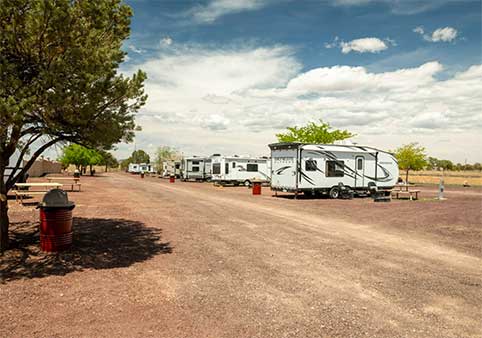
Raptor Ranch RV Park & Campground
RAPTOR RANCH Campground is only 20 MINUTES FROM THE SOUTH RIM ENTRANCE!
We are located close to the Grand Canyon. The campground offers 32 RV Sites, 25+ Tent Sites. FREE Raptor Flight Demonstrations to All Campers! and FREE admission to Bedrock City.
There is free WiF … More
RAPTOR RANCH Campground is only 20 MINUTES FROM THE SOUTH RIM ENTRANCE!
We are located close to the Grand Canyon. The campground offers 32 RV Sites, 25+ Tent Sites. FREE Raptor Flight Demonstrations to All Campers! and FREE admission to Bedrock City.
There is free WiFi Available in Lounge & Laundry Room. We have a Grocery Store on Site, Campfire Rings, Firewood Available at the Camp Store, Giftshop, Showers, Snacks, Coffee, and an Overflow Parking.
Check-In: 1:00 pm, Check-Out: 12:00 pm
Outdoor Fireplace/Pit | Propane Refilling Station | Pet-Friendly | Laundry | Shower | Dump Station | Community Restrooms | WiFi | General Store
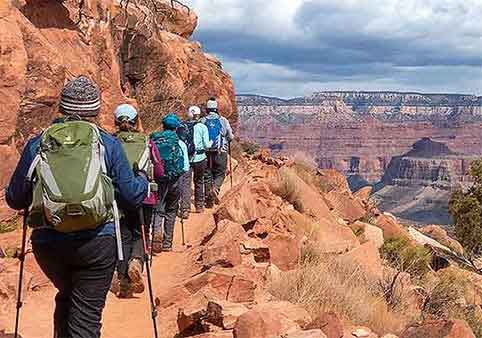
Wildland Trekking
Popular Hikes | Professionally Guided | Popular Hikes | Leaves from Flagstaff | Leaves from Grand Canyon/Tusayan
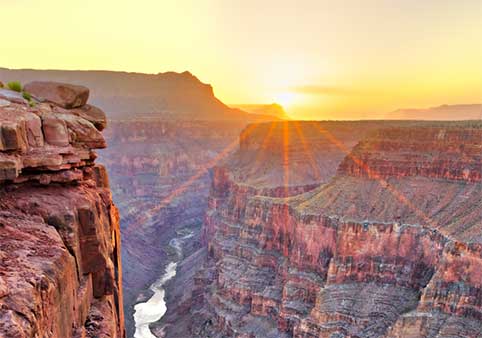
Grand Canyon South Rim Self-Guided Driving Tour
Additional Tours Available | Family-Friendly | Self-Guided
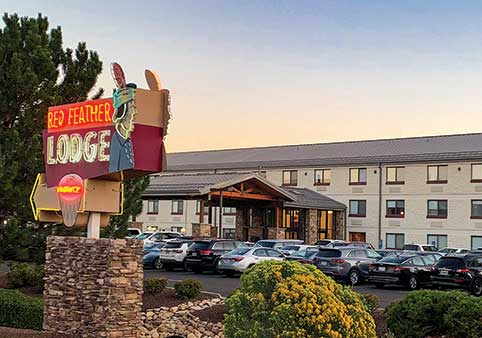
Red Feather Lodge Grand Canyon
Pet-Friendly | On-site Restaurant | Outdoor Pool | Hot Tub | Laundry | Fitness Center | WiFi | Access to Trails
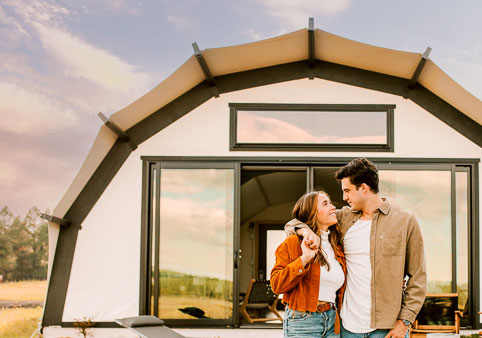
Backland Luxury Camping
Take your loved ones on a trip they will never forget. Backland is a luxury eco-resort near the Grand Canyon. Completely surrounded by ponderosa pine forests, our one-of-a-kind tents, chef-prepared meals, and secluded location completely redefine the concept of glamping. Dine by the fir … More
Take your loved ones on a trip they will never forget. Backland is a luxury eco-resort near the Grand Canyon. Completely surrounded by ponderosa pine forests, our one-of-a-kind tents, chef-prepared meals, and secluded location completely redefine the concept of glamping. Dine by the fire in our glass-walled restaurant, relax with a massage in our tented spa, marvel at the grandeur of the universe through our complimentary telescopes, and take advantage of miles of nearby hiking trails.
-
Features:
- Complimentary Breakfast
- Onsite Glass Walled Restaurant
- Onsite and nearby hiking trails
- Close to the Grand Canyon and dozens of local attractions
- Pond with sand beach, fishing, and kayaking
- Snowshoes and sledding onsite when it snows
-
Tents feature:
- Panoramic windows
- Huge stargazing skylights over the beds (Skyview tents only)
- Automatic climate control, fully insulated, and energy-efficient
- King-sized beds
- Full en-suite bathroom with showers
- Luxury linens
- Electricity in tents
- Tentside parking + electric vehicle charging at reception
- Private Outdoor patios
- Coffee makers + mini-fridges
- Ecological toiletries + water conservation fixtures
Pet-Friendly | Outdoor Fireplace/Pit | Family-Friendly | Outdoor Fireplace/Pit | Outdoor Rental Equipment Available | Games Provided | Hot Drinks Provided | Spa | Eco-Friendly | On-site Restaurant | Breakfast Included
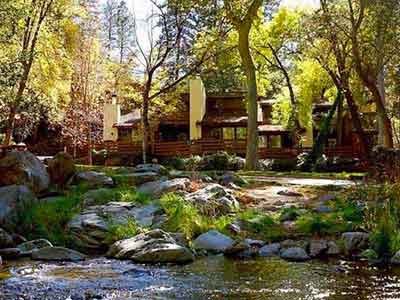
Junipine Resort Sedona
On-site Restaurant | Family-Friendly | Kitchenette or Full Kitchen | Fireplace(s) | Fitness Center | Hot Tub
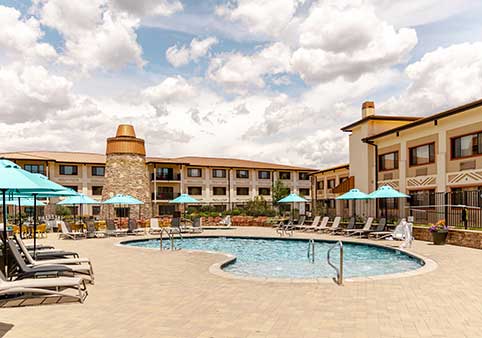
The Squire at Grand Canyon, a Holiday Inn Resort
Family-Friendly | Pet-Friendly | Outdoor Fireplace/Pit | On-site Restaurant | Games Provided

Lake Powell Taxi Services
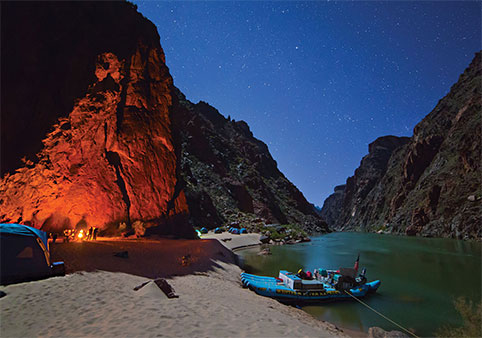
Western River Expeditions
Leaves from Las Vegas | Professionally Guided | Popular Hikes | Family-Friendly
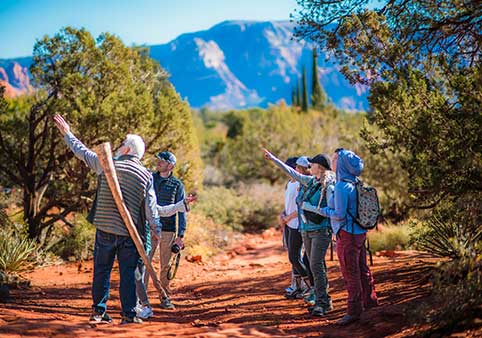
Sedona Red Rock Tours
Multi-Attraction Tours | Multi-Day Tours | Professionally Guided | Leaves from Sedona | Hotel Pickup | Private Tours Available | Custom Options Available | ADA Accessible
Grand Canyon South Rim Tour from Phoenix & Scottsdale
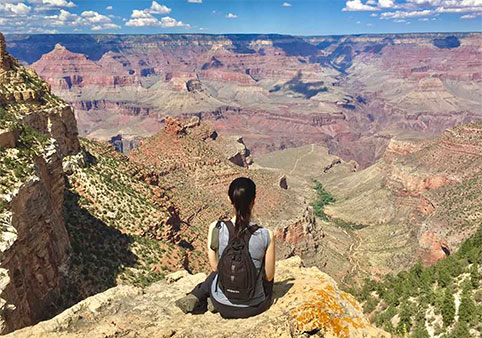
Marvel at the beauty that is the South Rim during this Grand Canyon Tour from Phoenix & Scottsdale. Highlights include a day trip to visit Arizona’s breathtaking Grand Canyon National Park, a scenic drive with views of the San Francisco Peaks in Flagstaff, and several viewpoints at the … More
Marvel at the beauty that is the South Rim during this Grand Canyon Tour from Phoenix & Scottsdale. Highlights include a day trip to visit Arizona’s breathtaking Grand Canyon National Park, a scenic drive with views of the San Francisco Peaks in Flagstaff, and several viewpoints at the spectacular Grand Canyon South Rim. Optional "Colors & Canyons" 45-minute helicopter upgrade available.
Professionally Guided | Hotel Pickup | Private Tours Available | Custom Options Available | Family-Friendly
Canyon Dave Tours
Family-Friendly | Private Tours Available | Family Business | Custom Options Available | Multi-Attraction Tours | Multi-Day Tours
Maverick Helicopter Tours from GCNP Airport
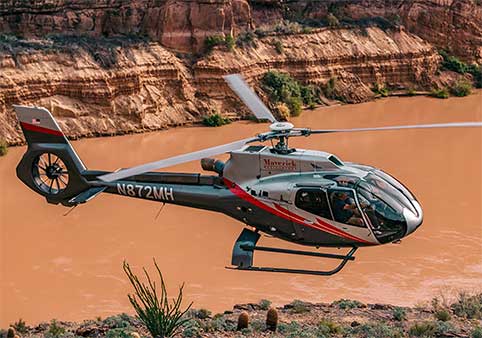
Canyon Spirit is a Grand Canyon helicopter tour that departs from the South Rim, taking you over the beautiful Kaibab National Forest, home to the world's largest stand of Ponderosa pines. Upon reaching the edge, the rim drops away as the magnificent Grand Canyon comes into full view.… More
Canyon Spirit is a Grand Canyon helicopter tour that departs from the South Rim, taking you over the beautiful Kaibab National Forest, home to the world's largest stand of Ponderosa pines. Upon reaching the edge, the rim drops away as the magnificent Grand Canyon comes into full view.
Leaves from Grand Canyon/Tusayan | Family-Friendly | Professionally Guided
Sedona & Red Rock State Park Self-Guided Driving Tour
Self-Guided | Family-Friendly | Additional Tours Available
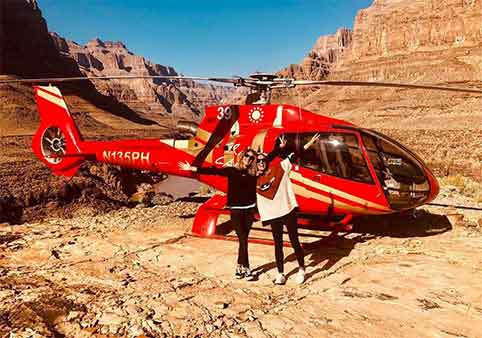
Papillon Grand Canyon Helicopters
Family-Friendly | Leaves from Las Vegas | Leaves from Grand Canyon/Tusayan | Optional Skywalk Tour
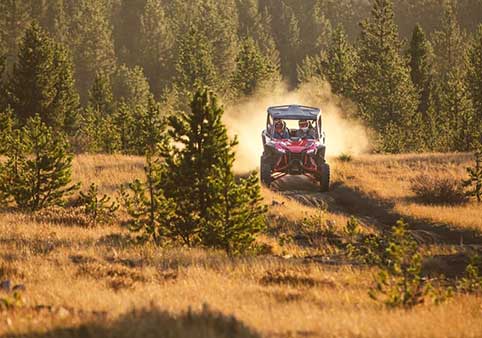
Grand Canyon UTV Tours
Family-Friendly | Professionally Guided | Leaves from Williams | Professionally Guided

Sheridan House Inn - Williams
No Children Accommodated | Romantic | Award Winning | Custom Options Available | Breakfast Included | Optional Intimate Personal Chef Cooked Dinners | Private Porch or Balcony | Hot Tub | Perfect for Special Occasions
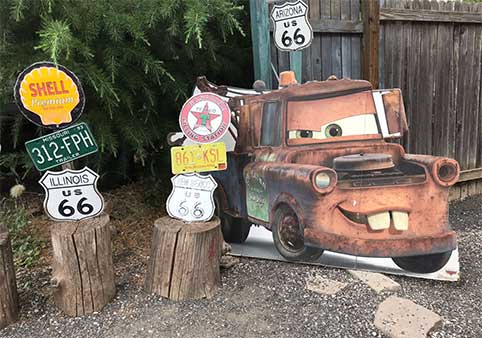
Fun 66 Tours
Multi-Attraction Tours | Family-Friendly | Leaves from Williams | Professionally Guided
Local Business Spotlight