Long before Grand Canyon National Park became one of America's most protected landscapes, prospectors, ranchers, entrepreneurs, and small communities attempted to build lives around its rugged cliffs and remote plateaus. While few mining ventures became financially successful, their stories remain an important part of the canyon's history and help explain how the region evolved before becoming a national park.
Today, visitors can still find traces of abandoned mines, historic cabins, old wagon roads, and pioneer settlements throughout northern Arizona. These reminders offer a glimpse into an era when the Grand Canyon represented opportunity, hardship, and adventure rather than a destination for recreation.
Prospectors Arrive at the Grand Canyon
During the late nineteenth century, reports of valuable mineral deposits attracted prospectors to the Grand Canyon region. Copper, asbestos, uranium, and other minerals were discovered in various locations, leading to periods of exploration and limited mining activity. The canyon's steep terrain, however, made transporting equipment and ore extraordinarily difficult.
Unlike many western mining districts, the Grand Canyon never experienced a major mineral rush comparable to those in Colorado, Nevada, or California. While some mines operated successfully for limited periods, most struggled with isolation, transportation costs, and the challenges of working in such an extreme environment.
Historic Mining Districts
Grandview Mine
One of the best-known mining operations near the South Rim was the Last Chance Mine at Grandview, developed by entrepreneur Pete Berry during the 1890s. Copper ore was extracted from deposits below Grandview Point and transported by a steep trail into the canyon. Although the mine generated considerable excitement, production ultimately proved less profitable than expected.
Today, hikers on the Grandview Trail can still see remnants of historic mining activity, although visitors should never enter abandoned structures or mine openings due to serious safety hazards.
Asbestos Canyon
Several small asbestos mines operated within parts of the Grand Canyon during the late nineteenth and early twentieth centuries. Difficult access and changing economic conditions limited long-term success, and all commercial mining eventually ceased within what is now Grand Canyon National Park.
Early Ranches and Small Communities
Not everyone came to the Grand Canyon searching for minerals. Ranchers established livestock operations across the surrounding plateaus, while small settlements developed to support transportation, tourism, and trade. Communities such as Williams, Tusayan, and Flagstaff gradually became important gateways for travelers heading toward the canyon.
Many of these communities continue to welcome visitors today, although their economies have shifted from ranching and mining toward tourism, outdoor recreation, and services supporting Grand Canyon National Park.
The Rise of Tourism Over Mining
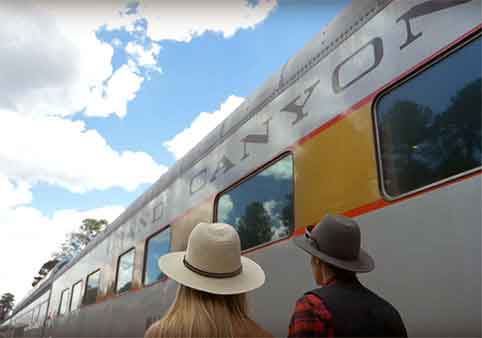
By the early twentieth century, it had become increasingly clear that the Grand Canyon's greatest value was not underground but in the landscape itself. As rail transportation brought growing numbers of visitors to the South Rim, tourism began replacing mining as the region's primary economic driver.
Hotels, transportation services, guide companies, and visitor facilities generated more sustainable economic opportunities than many mining ventures ever achieved. Communities that embraced tourism continued to grow, while numerous mining camps gradually disappeared.
This shift in priorities helped build public support for protecting the canyon rather than exploiting its natural resources.
Ghost Towns and Historic Remains
Mining Remnants
Although few large mining towns developed within the Grand Canyon itself, remnants of prospecting activity can still be found throughout the region. Historic foundations, ore bins, abandoned roads, and mining equipment occasionally remain visible along certain trails and historic sites, offering a glimpse into life during the frontier era.
These sites are protected cultural resources. Visitors should admire them from a distance and never remove artifacts or enter abandoned structures, which may be unstable or hazardous.
Historic Settlements
Communities surrounding the Grand Canyon evolved in different ways. Williams became a railroad town that still celebrates its Route 66 heritage. Flagstaff grew into a regional center for commerce, education, and outdoor recreation. Tusayan developed primarily to serve visitors entering the South Rim, while smaller settlements either disappeared or remained small as transportation routes changed.
Mining and Conservation
The relationship between mining and the Grand Canyon continues to attract public attention. While historic mining shaped portions of the region, protecting the canyon's water, wildlife, cultural resources, and scenic landscapes has become a central priority within Grand Canyon National Park.
Mining is generally prohibited within the national park itself, and proposals for new mining activity on nearby public lands have generated ongoing discussions involving Tribal Nations, conservation organizations, local communities, industry representatives, and government agencies. These conversations reflect the continuing challenge of balancing economic interests with the long-term protection of one of the world's most significant natural landscapes.
Remembering the People Who Came Before
The history of mining and settlement is ultimately a story of determination, optimism, and adaptation. Prospectors searched for valuable minerals, ranchers built livelihoods on the surrounding plateaus, railroad workers connected the canyon to the nation, and entrepreneurs welcomed the first tourists to the South Rim.
Although many mining ventures faded into history, the communities that embraced conservation and tourism helped shape the Grand Canyon experience enjoyed by millions of visitors today. Preserving these historic places allows future generations to better understand both the hardships and the ambitions that influenced the development of northern Arizona.
Frequently Asked Questions
Was there gold in the Grand Canyon?
Small amounts of gold have been discovered in parts of the Grand Canyon region, but the area never experienced a major gold rush like California or Colorado. Most mining activity focused on minerals such as copper, asbestos, uranium, and other valuable deposits.
Are there abandoned mines in Grand Canyon National Park?
Yes. Remnants of historic mining operations still exist in some areas of the park. Many have been stabilized or closed for public safety, while others remain protected cultural resources. Visitors should never enter abandoned mines or disturb historic structures.
Can you visit the Grandview Mine?
Hikers on the Grandview Trail can see evidence of the historic Last Chance Mine near Grandview Point. The remaining features are part of the park's history and should only be viewed from designated trails and overlooks.
Why didn't mining become a major industry at the Grand Canyon?
Although valuable minerals were discovered, the Grand Canyon's steep terrain and remote location made mining difficult and expensive. Transportation costs were high, and many operations produced less ore than investors had hoped.
Did people live inside the Grand Canyon?
For thousands of years, Indigenous peoples lived, traveled, farmed, hunted, and maintained cultural connections throughout the canyon. Later, a small number of miners, ranchers, guides, and entrepreneurs established temporary camps or settlements, but few permanent non-Indigenous communities developed within the canyon itself.
Is mining still allowed near the Grand Canyon?
Mining is prohibited within Grand Canyon National Park. Outside the park, mining regulations vary depending on land ownership, existing claims, and federal or state policies. Proposed mining projects near the park continue to be the subject of public discussion and environmental review.
What happened to the old mining camps?
Most disappeared as mining declined or transportation routes changed. Some sites left behind foundations, equipment, or other historic features, while others have been reclaimed by nature. Remaining artifacts are protected by federal law and should never be removed.
Which gateway communities grew because of early settlement?
Williams, Flagstaff, and later Tusayan became important communities supporting transportation, tourism, and services for Grand Canyon visitors. Today they remain popular places to stay while exploring the national park.
Continue Exploring Grand Canyon History
Mining, ranching, railroads, and tourism all played important roles in shaping the Grand Canyon region. Continue exploring the people, places, and events that transformed this remarkable landscape into one of America's most treasured national parks.
Early Tourism & Historic Hotels »