Maricopa Point offers something few Grand Canyon overlooks can match: a combination of spectacular canyon scenery and the fascinating story of the South Rim's mining past. While most visitors focus on the sweeping vistas, those who look a little closer will discover interpretive exhibits explaining the Orphan Mine, one of the most unusual chapters in Grand Canyon history.
Located along Hermit Road between Trailview Overlook and Powell Point, Maricopa Point is an excellent stop for visitors interested in both the natural and human history of Grand Canyon National Park.
Maricopa Point at a Glance
| Feature | Details |
|---|---|
| Location | Hermit Road, South Rim |
| Best Known For | Historic Orphan Mine exhibits and panoramic canyon views |
| Best Time | Morning through late afternoon |
| Parking | No public parking during shuttle season |
| Shuttle Access | Yes, Hermits Rest Red Route |
| Wheelchair Accessible | Primary overlook accessible to many visitors |
| Restrooms Nearby | No |
| Walking Distance | Short walk from shuttle stop |
| Best For | Mining history, geology, photography, and scenic walks |
Why Visit Maricopa Point?
Maricopa Point provides broad views across the central Grand Canyon, but its greatest distinction is the opportunity to learn about one of the park's least-known stories. Interpretive displays explain how mining once took place near the canyon rim and how today's protected landscape nearly followed a very different path.
Because many visitors remain on the shuttle, Maricopa Point is often quieter than nearby Hopi Point or Powell Point. That makes it a pleasant place to pause, enjoy the scenery, and explore the exhibits at your own pace.
The Story of the Orphan Mine
The Orphan Mine began as a small copper prospect in the late nineteenth century before later becoming one of the Grand Canyon's most productive uranium mines. Mining continued even after Grand Canyon National Park was established, creating a unique situation in which industrial activity operated within one of America's most celebrated landscapes.
Today, interpretive exhibits explain the history of the mine, its economic importance, environmental restoration, and how mining eventually ended. Standing at Maricopa Point offers a fascinating reminder that Grand Canyon history includes far more than tourism and exploration.
Panoramic Canyon Views
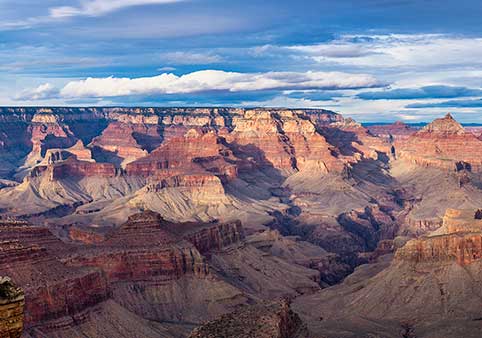
Beyond its historical significance, Maricopa Point offers expansive views across the canyon's layered cliffs, mesas, and side canyons. The overlook faces both central and western portions of the South Rim, providing attractive lighting throughout much of the day.
Although the Colorado River is less prominent here than at Mohave Point, the overlook provides an excellent sense of the canyon's immense scale while remaining less crowded than many neighboring viewpoints.
Getting to Maricopa Point
Maricopa Point is reached via the free Hermits Rest Red Route shuttle, by bicycle, or by walking along Hermit Road. During the primary visitor season, private vehicles are generally not permitted beyond the Hermit Road entrance, although seasonal winter access may be available depending on park operations.
Because Maricopa Point sits between Trailview Overlook and Powell Point, it is an easy stop to combine with either destination during a scenic walk or shuttle ride.
Accessibility
| Wheelchair Accessible | ★★★★☆ |
| Paved Primary Viewing Area | ? |
| Accessible Shuttle | ? |
| Interpretive Exhibits | ? |
| Restrooms at Viewpoint | ? |
| Walking Distance | Short |
The shuttle stop, overlook, and interpretive displays are accessible to many visitors using wheelchairs, mobility scooters, walkers, or strollers. Some nearby paths and informal viewing locations may have uneven surfaces.
Because there are no visitor services at Maricopa Point, plan restroom breaks before boarding the shuttle or at Hermits Rest.
Best Time to Visit Maricopa Point
Maricopa Point is enjoyable throughout the day, but morning and late afternoon usually provide the best lighting for both the canyon and the interpretive mining exhibits. Because it receives fewer visitors than nearby Hopi Point, it's also a good choice if you're looking for a quieter overlook.
| Time of Day | Experience |
|---|---|
| Morning | Excellent visibility with lighter crowds. |
| Midday | Ideal for reading interpretive exhibits and exploring the overlook. |
| Late Afternoon | Warm light enhances canyon colors and rock formations. |
| Sunset | Pleasant evening light, although nearby Hopi Point remains the premier sunset destination. |
Photography Tips
Maricopa Point offers excellent opportunities for visitors who enjoy combining landscapes with historical interpretation. The overlook provides broad canyon panoramas while nearby exhibits add context that can inspire more meaningful photographs.
- Photograph the canyon first, then capture details from the mining exhibits.
- Morning often provides the clearest long-distance visibility.
- Use a wide-angle lens to emphasize the canyon's depth.
- Cloud shadows frequently create dramatic contrast across the cliffs.
- Walk a short distance along the rim for different compositions.
The Orphan Mine Today
Although mining operations ended decades ago, Maricopa Point preserves the story through interpretive exhibits that explain how the site evolved from a small mining claim into a uranium operation within Grand Canyon National Park.
Visitors can learn about reclamation efforts, changing environmental policies, and the unique challenges of balancing resource development with preservation inside a national park.
Walking Between Viewpoints
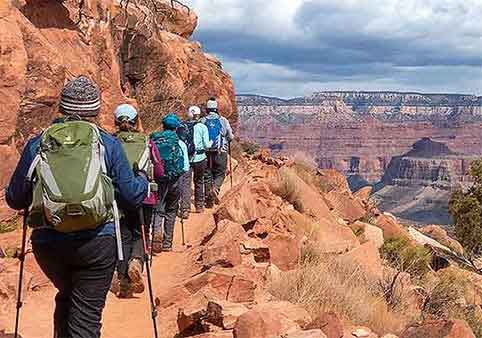
Maricopa Point is an excellent place to begin or end a short walk along Hermit Road. Visitors often continue west toward Powell Point or east toward Trailview Overlook while enjoying uninterrupted canyon scenery.
Walking this section allows you to appreciate how the canyon changes between overlooks rather than seeing only isolated viewpoints from the shuttle.
Nearby Attractions
| Attraction | Approximate Distance |
|---|---|
| Trailview Overlook | One shuttle stop east |
| Powell Point | One shuttle stop west |
| Hopi Point | Two shuttle stops west |
| Grand Canyon Village | Short shuttle ride east |
Visitor Tips
- Spend a few minutes reading the interpretive mining displays before moving on.
- Bring water because there are no visitor services at the overlook.
- Carry binoculars to study distant rock formations.
- Combine Maricopa Point with Powell Point for a history-focused walk.
- Stay on designated paths around the overlook.
- If you're riding the shuttle, allow time to catch the next bus rather than rushing through the exhibits.
How Long Should You Spend Here?
Most visitors spend 20 to 30 minutes at Maricopa Point. Those interested in Grand Canyon history often stay longer to read the interpretive displays and enjoy the quieter atmosphere before continuing along Hermit Road.
If you're walking between overlooks, Maricopa Point makes an excellent midway stop to combine scenery with one of the park's most unusual historical stories.
Then and Now
Maricopa Point tells a story of dramatic change. The landscape that visitors now experience as part of a protected national park once supported active mineral exploration and industrial operations near the canyon rim.
| Then | Now |
|---|---|
| Copper and uranium prospecting | Protected national park landscape |
| Mining equipment and infrastructure | Scenic viewpoints and interpretive exhibits |
| Commercial resource extraction | Conservation, restoration, and education |
| Restricted industrial work area | Public overlook reached by shuttle, bicycle, or foot |
| Economic value measured in minerals | Cultural, scientific, and scenic value preserved for visitors |
This transformation makes Maricopa Point one of the most thought-provoking stops along Hermit Road. The overlook shows how ideas about national parks, resource use, environmental responsibility, and preservation have evolved over time.
Pairs Well With
Maricopa Point fits naturally into a history-focused journey along the western South Rim. Combine it with nearby overlooks that explore exploration, hiking, and changing views of the canyon.
| Pair It With | Why Visit |
|---|---|
| Trailview Overlook | See Bright Angel Trail winding below the rim before continuing into the mining-history story at Maricopa Point. |
| Powell Point | Continue from mining history to the story of John Wesley Powell and early Colorado River exploration. |
| Hopi Point | Follow a historical stop with one of the South Rim's most celebrated sunset views. |
| Rim Trail | Walk between overlooks and experience the quieter landscape between shuttle stops. |
| Hermit Road | Place Maricopa Point within the larger scenic route connecting history, viewpoints, river scenery, and Mary Colter architecture. |
Frequently Asked Questions
Why is Maricopa Point worth visiting?
Maricopa Point combines broad canyon views with the unusual history of the Orphan Mine. It is one of the best Hermit Road stops for visitors interested in how mining, conservation, and national park management intersected at the Grand Canyon.
What was mined near Maricopa Point?
The Orphan Mine began as a copper prospect and later became known for uranium production. Interpretive exhibits at the overlook explain the site's history and eventual restoration.
Can I see the old mine?
Visitors can learn about the mine through interpretive displays and views of the surrounding area, but former mining features are not open for casual public exploration. Stay within designated visitor areas.
Can I drive to Maricopa Point?
Private vehicles are generally restricted on Hermit Road during the primary shuttle season. Most visitors arrive using the free Red Route shuttle, by bicycle, or on foot. Winter access may differ depending on current park operations.
Is Maricopa Point wheelchair accessible?
The shuttle stop, primary overlook, and interpretive displays are accessible to many visitors using wheelchairs or other mobility devices. Some adjoining paths and informal viewing areas may be uneven.
Is Maricopa Point good for sunrise?
Yes. Morning offers clear visibility, attractive canyon light, and a quieter atmosphere than many of the South Rim's more famous sunrise viewpoints.
Is Maricopa Point good for sunset?
The overlook receives pleasant evening light, but nearby Hopi Point is generally the stronger choice for a dedicated sunset experience.
How long should I spend here?
Allow approximately 20 to 30 minutes to enjoy the overlook and read the mining-history exhibits. History enthusiasts may want additional time.
Are restrooms available?
No restrooms are located at the overlook. Use facilities in Grand Canyon Village or at Hermits Rest before planning a longer outing along the route.
The GrandCanyon.net Viewpoint Scorecard
| Category | Rating |
|---|---|
| Mining History | ★★★★★ |
| Educational Value | ★★★★★ |
| Panoramic Views | ★★★★☆ |
| Photography | ★★★★☆ |
| Sunrise | ★★★★☆ |
| Sunset | ★★★☆☆ |
| Accessibility | ★★★★☆ |
| Crowd Level | Light to Moderate |
| Overall Experience | ★★★★☆ |
Continue Exploring Hermit Road
Continue through the western South Rim to discover trail views, exploration history, sunset overlooks, Colorado River scenery, and historic architecture.