The free shuttle system at Grand Canyon National Park is one of the easiest ways to explore the South Rim. It connects popular viewpoints, trailheads, visitor facilities, and nearby Tusayan while reducing traffic and parking congestion during the busiest times of year.
For many visitors, riding the shuttle is simpler than driving. You won't have to search for parking at popular overlooks, and several scenic areas are accessible only by shuttle for much of the year.
Grand Canyon Shuttle System at a Glance
| Route | Color | Primary Destinations |
|---|---|---|
| Village Route | Blue | Visitor Center, lodges, campground, Market Plaza, Backcountry Information Center |
| Kaibab Rim Route | Orange | Mather Point, Yaki Point, South Kaibab Trailhead, Pipe Creek Vista |
| Hermit Road Route | Red | Trailview Overlook, Hopi Point, Mohave Point, The Abyss, Hermits Rest |
| Tusayan Route | Purple | Tusayan hotels, businesses, South Entrance, Visitor Center (seasonal) |
All National Park Service shuttle buses are free to ride and do not require reservations or tickets.
Why Use the Shuttle?
The shuttle system is designed to make visiting the South Rim easier while protecting the park from excessive traffic. Instead of repeatedly moving your vehicle between viewpoints, you can park once and spend the day exploring on foot and by shuttle.
Benefits include:
- No shuttle fare or reservation required.
- Easy access to popular overlooks without searching for parking.
- Convenient transportation between visitor services and trailheads.
- Reduced traffic along scenic roads.
- Accessible buses with wheelchair accommodations.
Many visitors find the shuttle less stressful than driving, especially during spring break, summer, and fall weekends when parking lots fill quickly.
Blue Route: Village Route
The Blue Route serves as the transportation backbone of Grand Canyon Village. It connects the Visitor Center with Market Plaza, nearby lodges, campgrounds, the Backcountry Information Center, and several other visitor services.
If you're staying inside Grand Canyon Village, this is often the route you'll use most frequently.
Best for:
Moving between hotels, restaurants, campgrounds, shopping, and the Visitor Center.
Orange Route: Kaibab Rim Route
The Orange Route provides access to several of the South Rim's most popular viewpoints and hiking destinations. Stops include Mather Point, Yaki Point, Pipe Creek Vista, and the South Kaibab Trailhead.
Because private vehicles are generally not permitted beyond Yaki Point, the shuttle is the primary way most visitors reach this scenic overlook and trailhead.
Best for:
South Kaibab Trail hikers, sunrise photography, and visitors exploring the eastern viewpoints near Grand Canyon Village.
Red Route: Hermits Rest Route
The Red Route travels along Hermit Road between Grand Canyon Village and Hermits Rest. The seven-mile scenic road provides access to some of the South Rim's most memorable overlooks, including Trailview Overlook, Powell Point, Hopi Point, Mohave Point, The Abyss, Pima Point, and Hermits Rest.
Outbound buses stop at each designated overlook. Return buses make fewer stops, so check the posted route map before deciding where to reboard.
Hermit Road is generally closed to private vehicles from March through November. During that period, visitors reach the overlooks by shuttle, bicycle, on foot, or with an authorized commercial tour. Limited private-vehicle access usually returns during December, January, and February, subject to current conditions and vehicle restrictions.
Best for:
Sunset viewing, scenic overlooks, Rim Trail walks, and visitors who want to explore several viewpoints without moving their vehicle.
Purple Route: Tusayan Park and Ride
The seasonal Purple Route connects the gateway community of Tusayan with the Grand Canyon Visitor Center. It is designed to help visitors avoid entrance-station traffic and crowded parking lots inside the park.
You can park in Tusayan, board the shuttle at one of its designated stops, and connect with the park's other shuttle routes after arriving at the Visitor Center.
A valid Grand Canyon entrance pass is required before boarding in Tusayan. The shuttle ride itself does not carry an additional fare.
The Purple Route operates only during selected high-visitation periods, so verify the current schedule before relying on it.
Best for:
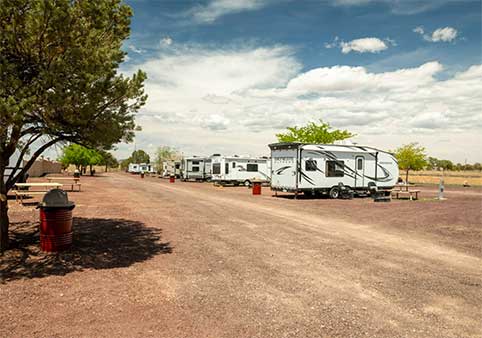
Summer day visitors, guests staying in Tusayan, RV travelers, and anyone hoping to avoid South Entrance traffic and limited park parking.
Hikers' Express Shuttle
The Hikers' Express provides early morning transportation from Grand Canyon Village to the South Kaibab Trailhead. It stops at Bright Angel Lodge, the Backcountry Information Center, and the Visitor Center before continuing to the trailhead.
This is a one-way service intended to help hikers reach the South Kaibab Trail before the regular shuttle schedule is fully underway. It does not transport hikers back to the village from the trailhead.
Departure times change seasonally. Hikers should review the current schedule while planning their route, especially when coordinating an early start or a hike that finishes at a different trailhead.
Best for:
Early morning South Kaibab Trail starts and hikers beginning point-to-point or corridor hikes.
Shuttle Routes Change by Season
Not every shuttle route operates throughout the entire year. The Village and Kaibab Rim routes generally form the core system, while Hermit Road and Tusayan service change according to the season and current park operations.
| Route | Typical Availability |
|---|---|
| Village Route | Operates during much of the year, with seasonal schedules |
| Kaibab Rim Route | Operates during much of the year, with seasonal schedules |
| Hermits Rest Route | Operates seasonally when Hermit Road is closed to private vehicles |
| Tusayan Route | Limited seasonal service during busier travel periods |
| Hikers' Express | Year-round early morning service with changing departure times |
Schedules, route frequencies, and operating dates can change because of weather, construction, staffing, or seasonal demand. Check the current National Park Service shuttle page shortly before your visit rather than relying on an older timetable.
How Often Do the Shuttles Run?
Buses usually arrive more frequently during the busiest parts of the day and less frequently during early morning or evening hours. Exact intervals vary by route and season.
During peak periods, several buses may arrive close together. Even so, long lines can form at popular boarding areas such as the Hermit Road Transfer Station near sunset.
Build flexibility into your schedule rather than planning around a single bus arrival. This is especially important when trying to reach a trailhead, sunset viewpoint, dinner reservation, or final evening connection.
Using the Shuttle for a Scenic Rim Walk
One of the best ways to use the shuttle is to combine it with the Rim Trail. Ride to one viewpoint, walk along the rim to another stop, and then board a later bus.
This approach works particularly well along Hermit Road, where sections of the Rim Trail connect multiple scenic overlooks. It allows you to experience quieter stretches of the canyon rim without committing to the entire seven-mile route.
Before setting out, confirm which return stops are served by the shuttle and how far you plan to walk. Carry water, sun protection, and an extra layer even for short rim walks.
Accessibility and Shuttle Tips
All Grand Canyon National Park shuttle buses are designed to accommodate a wide range of visitors. The fleet includes wheelchair-accessible buses, and many shuttle stops are connected by paved walkways.
Visitors using mobility devices should allow extra time during busy travel periods, particularly around sunrise and sunset when buses serving popular viewpoints may be crowded.
Service animals are permitted on shuttle buses in accordance with National Park Service regulations.
Shuttle Tips for First-Time Visitors
- Park once and use the shuttle for the rest of the day whenever possible.
- Arrive early if you're planning to watch sunrise or hike the South Kaibab Trail.
- Carry water while waiting for buses, especially from late spring through early fall.
- Keep a park map or download one before arriving in case cell service is limited.
- Expect longer waits around sunset at popular Hermit Road viewpoints.
- If you're riding to Hermits Rest, remember that return buses may not stop at every overlook.
- Allow extra time if you're trying to reach a tour departure or dinner reservation.
- Listen for driver announcements regarding route changes or temporary stop closures.
Should You Drive or Take the Shuttle?
| If You Want To... | Best Choice |
|---|---|
| Visit Hermit Road viewpoints | Shuttle |
| Reach South Kaibab Trailhead | Shuttle |
| Explore Grand Canyon Village | Shuttle |
| Drive Desert View Drive | Your Vehicle |
| Visit Tusayan and the park | Purple Shuttle or Your Vehicle |
| Move between nearby overlooks quickly during slower seasons | Your Vehicle (where permitted) |
Many visitors end up using both. Drive to the Visitor Center or your hotel, then rely on the shuttle to explore the busiest sections of the South Rim.
Frequently Asked Questions
Are Grand Canyon shuttle buses free?
Yes. All National Park Service shuttle routes are free to ride. No ticket or reservation is required.
Do I need to reserve a shuttle seat?
No. Shuttle buses operate on a first-come, first-served basis.
Can I drive Hermit Road instead of taking the shuttle?
For most of the year, Hermit Road is closed to private vehicles. During those periods, visitors reach the overlooks by shuttle, bicycle, on foot, or with an authorized commercial tour. Limited private-vehicle access typically returns during the winter months.
Can I bring a stroller?
Yes. Strollers are permitted, although compact or folding models are easier to manage during busy periods.
Can I bring my bicycle?
Some shuttle buses are equipped with bicycle racks, but availability is limited. If you plan to combine cycling and shuttle travel, check current park information before your visit.
Can pets ride the shuttle?
Pets are generally not permitted on National Park Service shuttle buses, with the exception of trained service animals. If you're traveling with a pet, review the park's pet regulations before arriving.
What is the busiest shuttle route?
The Hermits Rest Route is often the busiest, especially during spring break, summer, fall weekends, and around sunset.
Is the shuttle the best way to see the Grand Canyon?
For many first-time visitors, yes. The shuttle provides convenient access to popular viewpoints without the hassle of repeatedly finding parking or navigating seasonal road restrictions.
Continue Planning Your Visit
These guides will help you get around the park and make the most of your time at the Grand Canyon.
Grand Canyon Accessibility Guide »
What to Pack for the Grand Canyon »
Best Time to Visit the Grand Canyon »