Bright Angel Lodge is more than a historic place to stay at the Grand Canyon. Since opening in 1935, it has welcomed millions of visitors while reflecting an architectural philosophy that places the canyon itself at the center of the experience. Designed by renowned architect Mary Colter, the lodge blends naturally into the South Rim landscape, using native stone, heavy timber, and a scale that complements rather than competes with the surrounding scenery.
Located along the South Rim in Historic Grand Canyon Village, Bright Angel Lodge sits beside the trailhead for the Bright Angel Trail and within a short walk of many of the park's most significant historic buildings. Even visitors who are not spending the night often stop to admire its architecture, explore its history, or simply enjoy one of the canyon's most iconic gathering places.
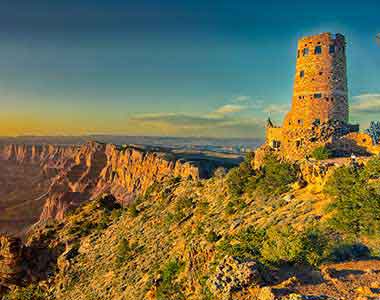
Understanding Bright Angel Lodge also helps tell the larger story of Grand Canyon tourism. Together with nearby landmarks such as Hopi House, Lookout Studio, Kolb Studio, and Historic Grand Canyon Village, the lodge reflects a period when architecture, transportation, and conservation were carefully combined to create a visitor experience that still shapes the South Rim today.
A National Historic Landmark District
Bright Angel Lodge is located within the Grand Canyon Village National Historic Landmark District. Please help preserve the building and surrounding historic landscape by respecting posted regulations and remaining on designated walkways.
Why Is Bright Angel Lodge Historically Significant?
Bright Angel Lodge opened in 1935 during a period when Grand Canyon visitation was growing rapidly. The Fred Harvey Company wanted to provide comfortable accommodations for a wider range of travelers than the nearby El Tovar Hotel, while maintaining the high standards of hospitality that had become associated with the Santa Fe Railway and the Grand Canyon.
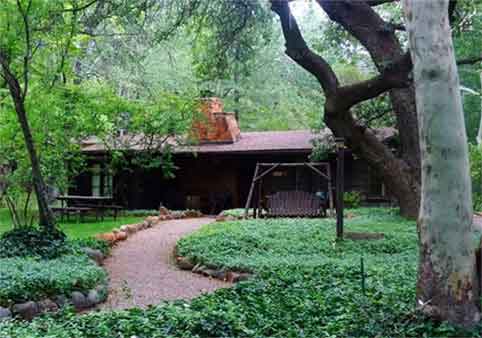
Rather than designing another grand hotel, architect Mary Colter created a lodge that felt as though it belonged on the canyon rim. The building's low profile, rough stone construction, peeled-log beams, and handcrafted details allow the surrounding landscape to remain the primary attraction.
Today, Bright Angel Lodge continues to serve visitors much as it did when it first opened, while also preserving an important chapter in the history of Grand Canyon National Park.
How Is Bright Angel Lodge Different from El Tovar?
Although the two buildings stand only a short distance apart, they were designed for different purposes. El Tovar, completed in 1905, was conceived as an elegant destination hotel for railroad travelers seeking luxury accommodations. Bright Angel Lodge, built three decades later, emphasized comfort, practicality, and a closer connection to the surrounding landscape.
This contrast reflects Mary Colter's understanding that the Grand Canyon should be experienced in different ways. Rather than competing with El Tovar, Bright Angel Lodge complements it by offering a more intimate and rustic interpretation of canyon architecture.
| Feature | Bright Angel Lodge | El Tovar Hotel |
|---|---|---|
| Opened | 1935 | 1905 |
| Architect | Mary Colter | Charles Whittlesey |
| Design Style | Rustic National Park architecture | Rustic luxury with European influences |
| Primary Character | Comfortable, informal, and closely connected to the landscape | Grand historic hotel overlooking the canyon |
Why Are the Historic Cabins Important?
Several historic cabins surround Bright Angel Lodge, helping illustrate how visitor accommodations evolved during the early decades of Grand Canyon tourism. Some cabins predate the lodge itself and were incorporated into the property when Mary Colter designed the new complex.
The most famous is the Buckey O'Neill Cabin, believed to be one of the oldest surviving structures at the South Rim. Built from native stone during the 1890s, it recalls a period before the arrival of modern tourism, when early entrepreneurs and pioneers were helping establish services for visitors arriving at the canyon.
While You're Here, Notice...
Stand a short distance away from Bright Angel Lodge and look back toward the building. Its roofline stays deliberately low, its materials match the surrounding landscape, and its scale never overwhelms the canyon. Mary Colter believed visitors should remember the Grand Canyon itself, not simply the architecture around it.
Mary Colter's Vision for Bright Angel Lodge
Mary Colter was one of the most influential architects associated with the Grand Canyon. Working for the Fred Harvey Company, she designed buildings that reflected regional history, local materials, and the dramatic setting of the canyon rather than imposing a single architectural style.
Bright Angel Lodge demonstrates this philosophy particularly well. Native Kaibab limestone forms much of the exterior, while exposed timber and handcrafted details create a welcoming atmosphere inside. The building feels timeless because it was designed to harmonize with its surroundings instead of following architectural trends.
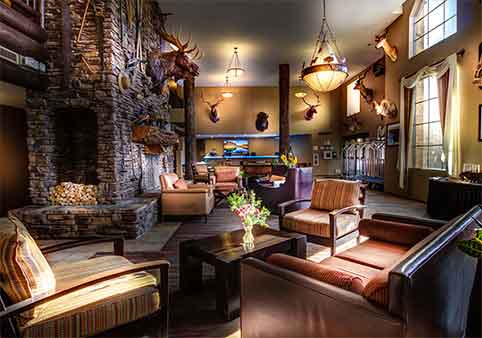
The massive stone fireplace inside the main lobby even includes samples of Grand Canyon rock layers arranged from youngest to oldest, offering visitors a simple introduction to the geology visible beyond the windows. It is one of many examples of how Colter incorporated education into the visitor experience without overwhelming the building's primary purpose.
Part of a Larger Historic Landscape
Bright Angel Lodge is best understood as one element within Historic Grand Canyon Village rather than as an isolated building. Walking through the village reveals how hotels, studios, trails, transportation, and viewpoints were thoughtfully arranged to help visitors experience the canyon on foot.
Nearby destinations such as Lookout Studio, Kolb Studio, Hopi House, and the beginning of the Bright Angel Trail remain connected by short walks that encourage visitors to explore the South Rim at a slower pace.
What Should You Experience When You Visit?
Even if you are not staying overnight, Bright Angel Lodge is worth visiting because it brings together architecture, history, and one of the park's most spectacular locations. The lobby, stone fireplace, historic cabins, and nearby overlooks provide a deeper appreciation for how generations of visitors have experienced the South Rim.
Stepping outside, visitors are only moments from the Bright Angel Trail, Rim Trail overlooks, and several of the village's best-known historic buildings. The result is an experience that feels less like visiting a hotel and more like exploring an important chapter in the history of the national park.
Frequently Asked Questions
Who designed Bright Angel Lodge?
Bright Angel Lodge was designed by Mary Colter and opened in 1935 for the Fred Harvey Company.
Why is Bright Angel Lodge historically important?
The lodge represents Mary Colter's philosophy of designing buildings that complement the Grand Canyon rather than dominate it. It also preserves an important period in the development of Grand Canyon tourism.
Can you visit Bright Angel Lodge without staying there?
Yes. Visitors are welcome to explore the public areas, admire the historic architecture, and experience the surrounding village without spending the night.
What is the Buckey O'Neill Cabin?
The Buckey O'Neill Cabin is one of the oldest surviving buildings at the South Rim and is preserved as part of the Bright Angel Lodge complex.
Is Bright Angel Lodge next to Bright Angel Trail?
Yes. The Bright Angel Trail begins only a short walk from the lodge, making it one of the most recognizable landmarks within Historic Grand Canyon Village.
Is Bright Angel Lodge on the canyon rim?
Yes. The lodge sits along the South Rim within Historic Grand Canyon Village, only steps from several of the park's iconic overlooks.
Continue Exploring Historic Grand Canyon Village
Bright Angel Lodge is one of several historic landmarks that help tell the story of how visitors have experienced the Grand Canyon for more than a century. Continue exploring the people, architecture, and places that shaped today's South Rim.
Historic Grand Canyon Village »