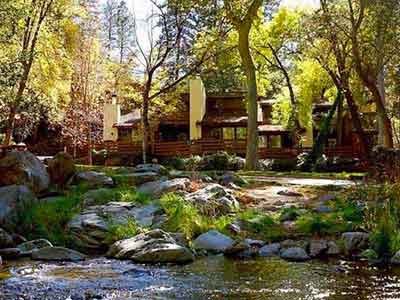
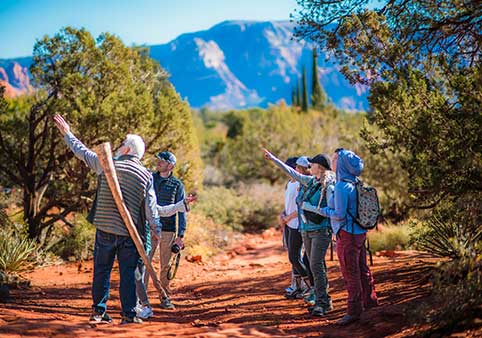
Havasupai Gardens is a shaded oasis approximately 4.5 miles below the South Rim on Bright Angel Trail. Cottonwood trees, flowing water, picnic areas, toilets, a ranger station, and a backcountry campground make it one of the canyon’s most recognizable below-the-rim destinations.
For hikers, Havasupai Gardens marks a major change in the Bright Angel Trail experience. The steep upper switchbacks give way to gentler terrain, vegetation becomes noticeably greener, and Garden Creek creates a welcome contrast with the dry canyon walls. The setting may feel restful, but reaching it and returning to the rim creates a strenuous nine-mile hike with more than 3,000 feet of elevation change.
The place is also culturally significant. The Havasupai people lived, farmed, and traveled through this area long before Grand Canyon National Park existed. The National Park Service officially restored the name Havasupai Gardens in 2022, replacing the former name Indian Garden and recognizing the Tribe’s enduring connection to the site.
Check Conditions Before Hiking
Bright Angel Trail access, drinking-water availability, campground operations, Plateau Point access, weather, and temporary construction closures can change. Review current National Park Service trail and water updates before leaving the South Rim.
Is Havasupai Gardens Worth Hiking To?
Havasupai Gardens is one of the most rewarding day-hike destinations below the South Rim for experienced and well-prepared hikers. It combines scenery, shade, water, history, and a strong sense of being inside the canyon rather than merely looking into it.
The destination should not be mistaken for an easy walk simply because it has developed facilities. The return to the South Rim involves approximately 4.5 miles of continuous climbing, much of it on steep switchbacks. Heat, fatigue, elevation, water availability, and the time required to climb out all need to be considered before continuing beyond Three-Mile Resthouse.
How Far Is Havasupai Gardens?
| Feature | Details |
|---|---|
| Trail | Bright Angel Trail |
| Distance from South Rim | Approximately 4.5 miles one way |
| Round-Trip Distance | Approximately 9 miles |
| Elevation | Approximately 3,800 feet above sea level |
| Elevation Change | More than 3,000 feet below the trailhead |
| Typical Day-Hike Time | About 6 to 9 hours, depending on conditions and pace |
| Difficulty | Strenuous |
| Drinking Water | Normally available, but service can be interrupted |
| Facilities | Toilets, picnic areas, ranger station, emergency phone, and campground |
The hike down often takes considerably less time than the climb back. Visitors should budget enough daylight for a slow ascent, especially when temperatures rise or trail traffic is heavy.
What Will You See Along the Way?
The journey begins beneath the South Rim near Bright Angel Lodge and descends through steep switchbacks cut into the canyon walls. Mile-and-a-Half Resthouse and Three-Mile Resthouse provide established stopping points before the trail continues toward increasingly greener terrain.
Approaching Havasupai Gardens, the grade becomes gentler and cottonwood trees begin appearing along Garden Creek. The transition is dramatic. After miles of rock, dust, and exposed slopes, the trees and flowing water make the area feel like a small island of green within the canyon.
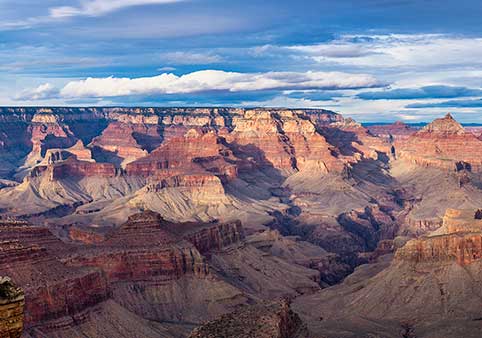
The canyon walls remain immense, but the setting is more enclosed than the wide views found along South Kaibab Trail. Visitors experience Bright Angel Canyon as a layered landscape of cliffs, creek beds, vegetation, and historic travel routes.
While You’re Here, Notice...
Look at where the green vegetation grows. Cottonwoods, grasses, and shrubs closely follow Garden Creek, demonstrating how even a relatively small and dependable water source can transform an Inner Canyon environment.
Why Does Havasupai Gardens Feel Like an Oasis?
Havasupai Gardens sits where water from springs and Garden Creek supports vegetation that cannot survive on the surrounding dry slopes. Cottonwoods provide shade, while the creek supplies moisture to grasses, shrubs, wildlife, and the campground area.
The relatively broad terrain also distinguishes the gardens from the steep upper trail. Hikers arriving from the rim encounter room to rest, refill water when the system is operating, eat, and evaluate whether they have enough energy and daylight to continue.
The oasis-like character is also why people lived and farmed here. Access to water, workable ground, shade, and a natural travel corridor made this place important long before it became a hiking destination.
What Facilities Are Available?
Havasupai Gardens normally has potable water, toilets, shaded picnic areas, an emergency phone, and a ranger station. The nearby backcountry campground contains designated sites with picnic tables, pack poles, and food-storage containers.
These facilities make the location more developed than most Inner Canyon destinations, but visitors should remain self-sufficient. Pipeline breaks and maintenance can interrupt water service, ranger staffing may vary, and emergency assistance can take considerable time to reach the area.
Day hikers do not need a backcountry permit merely to visit Havasupai Gardens. Overnight camping requires a valid backcountry permit for Havasupai Gardens Campground.
Why Was Indian Garden Renamed Havasupai Gardens?
The National Park Service officially changed the name Indian Garden to Havasupai Gardens in 2022 following a formal request from the Havasupai Tribe. A public dedication followed in 2023. The change recognizes the Tribe’s long history, traditional use, and continuing cultural connection to the place.
The traditional Havasupai name for the area is Ha’a Gyoh. Havasupai people lived and farmed here before the establishment of Grand Canyon National Park, using the dependable water and fertile ground along Garden Creek.
What Is the Havasupai Connection to This Place?
The Havasupai people have lived in and around the Grand Canyon since time immemorial. Families traveled seasonally between areas of the canyon and surrounding plateau, farming in places where springs and creeks made agriculture possible.
Havasupai Gardens was one of those places. Families cultivated crops and maintained homes in the area while using routes that later became incorporated into the Bright Angel Trail system.
The establishment and expansion of federal lands severely restricted Havasupai access to traditional homelands. According to the National Park Service and Grand Canyon Conservancy, the last Havasupai resident farmer was forcibly removed from the gardens in 1928.
Why Does the Name Matter?
Restoring the Havasupai name does more than replace a sign. It helps visitors understand that the Grand Canyon was never an uninhabited landscape waiting to be discovered. The canyon has long been home to Native peoples with living cultural, spiritual, and historical connections to its water, trails, plants, and landmarks.
The name also changes how the site is interpreted. Rather than seeing Havasupai Gardens only as a convenient hiking rest area, visitors can recognize it as a place shaped by generations of Indigenous knowledge, agriculture, travel, and community life.
Visitor Perspective
When you rest beneath the cottonwoods, remember that the water and workable soil made this a home and farming area before it became a trail facility. The landscape’s value was practical, cultural, and deeply personal.
How Should Visitors Approach the History?
Visitors do not need an extensive historical background to appreciate the importance of the site. Using its current name, reading park interpretation, avoiding damage to cultural resources, and recognizing that the Havasupai remain a living community are meaningful starting points.
The history is difficult because it includes displacement and the loss of access to ancestral lands. It should be presented directly and accurately without reducing the Havasupai story to the past. The Tribe continues to maintain a strong relationship with the Grand Canyon and with places now located within park boundaries.
What Does the Trail Reveal About Human History?
Bright Angel Trail is not simply a recreational route created for modern hikers. Portions follow pathways used by Native people for travel between the rim, water sources, farming areas, and the Inner Canyon.
Later prospectors, entrepreneurs, tourists, mule operators, and park employees modified and expanded the trail. The route visitors hike today therefore reflects several layers of human history, beginning long before commercial tourism or the National Park Service.
How Do You Safely Hike to Havasupai Gardens?
The most important safety decision is determining whether Havasupai Gardens is a realistic turnaround for the day’s conditions. The downhill hike can feel manageable, but reaching the gardens means the entire return will involve more than 3,000 feet of climbing.
Begin early, check water status, carry your own supply, eat regularly, and monitor the weather. During warm months, plan the ascent to avoid the hottest part of the day. During winter and early spring, the shaded upper trail may contain ice even when the gardens are mild and dry.
When Is the Best Time to Hike?
Spring and fall generally provide the most comfortable conditions, but the temperature difference between the South Rim and Havasupai Gardens can be substantial. Snow or ice may remain near the trailhead while lower sections feel warm.
Summer hiking requires exceptional caution. Temperatures below the rim can exceed 100°F, and the sustained climb from the gardens exposes hikers to heat during the most physically demanding part of the trip. Starting before sunrise does not eliminate the danger if the return occurs during midday.
Winter offers cooler Inner Canyon conditions but introduces short daylight hours, snow, and ice on the upper switchbacks. Current trail reports are more reliable than general seasonal assumptions.
Is Drinking Water Always Available?
Potable water is normally available at Havasupai Gardens, but hikers should never treat it as guaranteed. The Transcanyon Waterline is vulnerable to breaks, maintenance shutdowns, freezing conditions, and temporary disruptions.
Check the National Park Service’s current water-status page before hiking and carry enough water to manage a disruption. Natural creek water must be properly treated before drinking.
Can You Continue to Plateau Point?
Plateau Point is approximately 1.5 miles beyond Havasupai Gardens, creating a roughly three-mile round-trip side trip from the gardens and approximately 12 miles total from the South Rim.
The route is less steep than the upper Bright Angel Trail but is highly exposed, with little shade. Plateau Point provides a dramatic view into the Inner Gorge and toward the Colorado River, but adding it significantly increases the time, sun exposure, and energy required for the day.
Verify current Plateau Point Trail access before planning the extension. Construction, closures, and trail maintenance have affected access in recent years.
Can You Camp at Havasupai Gardens?
Yes, but a backcountry permit is required. Havasupai Gardens Campground is located in the cottonwood-lined riparian area near Garden Creek and is used by backpackers traveling the Bright Angel and Tonto trail systems.
A permit for the campground does not include lodging, meals, or transportation. Campers must carry their gear, follow food-storage requirements, and prepare for changing temperatures and limited emergency services.
What Should You Bring?
- Enough water for the complete hike, even when water is reported operational.
- Food and salty snacks that can be eaten regularly.
- Sun protection, including a hat, sunscreen, and protective clothing.
- Supportive footwear for steep and uneven trail surfaces.
- Layers for temperature changes between the rim and gardens.
- A headlamp in case the return takes longer than expected.
- Seasonal traction devices when upper-trail ice is present.
- A current trail map or downloaded National Park Service map.
- Basic first-aid supplies and required personal medication.
Frequently Asked Questions
How long does it take to hike to Havasupai Gardens?
Most day hikers should allow approximately six to nine hours for the complete round trip. Time varies with fitness, heat, trail conditions, breaks, and the pace of the uphill return.
How difficult is the hike?
The hike is strenuous. It covers approximately nine miles round trip and requires climbing more than 3,000 feet back to the South Rim.
Is Havasupai Gardens the same as Indian Garden?
Yes. Indian Garden was officially renamed Havasupai Gardens in 2022 to recognize the Havasupai Tribe’s long history and cultural connection to the place.
Is there water at Havasupai Gardens?
Potable water is normally available, but service can be interrupted by pipeline problems, freezing, construction, or maintenance. Check current conditions and carry your own water.
Are there restrooms?
Yes. Toilets are normally available near the day-use area and campground.
Do I need a permit?
A permit is not generally required for a day hike. Overnight camping at Havasupai Gardens Campground requires a Grand Canyon backcountry permit.
Can beginners hike to Havasupai Gardens?
The destination is not recommended as a casual first canyon hike. Beginners should consider the tunnels or Mile-and-a-Half Resthouse before attempting the longer and more strenuous trip to the gardens.
Can I hike to Plateau Point from Havasupai Gardens?
Yes, when the trail is open. Plateau Point adds approximately three miles round trip and substantial sun exposure to an already demanding day.
Continue Exploring Bright Angel Trail
Havasupai Gardens is one of Bright Angel Trail’s most important destinations, connecting the South Rim with Plateau Point, the Tonto Trail, and routes toward the Colorado River.