Winter transforms Grand Canyon National Park into one of Arizona's most surprising landscapes. Snow-covered ponderosa pines, quiet viewpoints, crisp desert air, and dramatically fewer visitors create an experience that feels completely different from the busy summer season.
Although many travelers overlook the Grand Canyon during winter, December through February can be an outstanding time to visit for those prepared for cold temperatures and occasional snowstorms. If you don't mind bundling up, you'll often enjoy some of the park's most peaceful scenery.
Winter at a Glance
| Season | December through February |
|---|---|
| Average South Rim Highs | Approximately 40°F to 50°F |
| Crowds | Light, except around Christmas and New Year's |
| Best For | Snow photography, peaceful viewpoints, winter hiking, stargazing, and quiet vacations |
| Watch For | Snow, icy trails, temporary road restrictions, and below-freezing mornings |
Why Visit in Winter?
Winter offers something many visitors never experience: solitude. Outside of the holiday period, viewpoints are noticeably quieter, parking is easier, and trails often feel far less crowded than during the rest of the year.
Fresh snowfall creates spectacular contrast between the canyon's red rock cliffs and white forests, producing some of the most memorable scenery of the entire year. Clear winter air also provides exceptional long-distance visibility after storms pass.
December
December marks the beginning of winter conditions at the South Rim. Snow becomes increasingly likely as the month progresses, while holiday visitors bring a temporary increase in park visitation around Christmas and New Year's.
Many days remain sunny and beautiful, but temperatures frequently stay below freezing during the early morning hours.
January
January is typically the coldest month of the year at the South Rim. Snow-covered landscapes, quiet viewpoints, and peaceful hiking opportunities make it a favorite month for photographers and visitors seeking a slower pace.
Winter storms occasionally affect travel, so visitors should always check road and weather conditions before departing.
February
February begins hinting at the coming spring while still offering classic winter scenery. Snow remains possible throughout the month, but longer daylight hours and slightly milder temperatures make sightseeing increasingly comfortable.
Crowds generally remain light except during holiday weekends.
Winter Weather
Because the South Rim sits approximately 7,000 feet above sea level, winter temperatures are much colder than many visitors expect from Arizona. Snowfall is common throughout the season, although storms are usually followed by sunny skies and excellent visibility.
Conditions inside the canyon are often dramatically warmer than along the rim, but hikers should remember that icy trail sections near the top can make winter descents more challenging than during other seasons.
| Month | Typical High | Typical Low | Conditions |
|---|---|---|---|
| December | 43–47°F | 17–22°F | Cold with increasing snowfall |
| January | 40–44°F | 15–20°F | Coldest month with frequent snow |
| February | 45–50°F | 18–24°F | Cold with occasional winter storms |
Winter Crowds
Winter is the quietest season at Grand Canyon National Park. Outside of the Christmas and New Year's holidays, visitors often find uncrowded overlooks, shorter entrance lines, and a much more relaxed atmosphere than during spring or summer.
This slower pace makes winter especially appealing for photographers, hikers, and anyone hoping to experience the canyon without peak-season crowds.
If you're planning a holiday visit, expect increased visitation during the last two weeks of December and the first few days of January. Hotel availability may also be more limited during that period.
Snow and Road Conditions
Snow is a regular part of winter at the South Rim. Major park roads are plowed after storms, but temporary closures or travel delays occasionally occur during active snowfall.
Visitors driving to the Grand Canyon should monitor weather forecasts before leaving and be prepared for winter driving conditions. Arizona Department of Transportation reports and National Park Service alerts can provide the latest information on road conditions and temporary closures.
Although four-wheel drive is generally not required for reaching the South Rim, winter tires or tire chains may become necessary during significant snow events depending on current conditions.
Winter Hiking
Winter hiking offers beautiful scenery and cooler temperatures, but it also requires extra caution. Trails near the rim frequently develop icy sections after storms, especially during the morning hours when temperatures remain below freezing.
Many experienced hikers carry traction devices that fit over hiking boots for added stability on icy trail sections. As temperatures warm throughout the day, these icy patches often begin to melt.
Even during winter, hikers descending below the rim should carry sufficient water, dress in layers, and remember that temperatures become warmer as elevation decreases.
Winter Photography
Fresh snow transforms the Grand Canyon into one of the Southwest's most spectacular winter landscapes. Bright white snow resting on red sandstone cliffs creates striking contrast that photographers rarely experience during other seasons.
The hours immediately following a snowstorm often provide exceptional photography opportunities as clouds clear and sunlight returns to illuminate the canyon.
Winter also produces excellent visibility thanks to cooler temperatures and lower atmospheric haze, allowing photographers to capture remarkable long-distance views.
Winter Wildlife
Wildlife remains active throughout the winter, although sightings often occur during the warmer portions of the day. Mule deer, elk, ravens, California condors, and numerous smaller birds continue to inhabit the South Rim throughout the season.
Fresh snow sometimes makes animal tracks easier to spot, adding another enjoyable element to winter walks through the park.
Always observe wildlife from a safe distance and never attempt to feed wild animals.
Best Winter Activities
- Photograph snow-covered viewpoints.
- Walk sections of the Rim Trail.
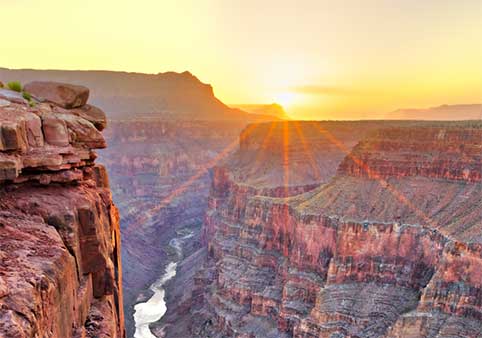
- Watch sunrise over a snow-covered canyon.
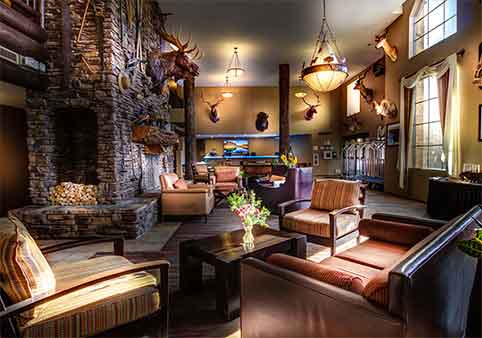
- Visit Grand Canyon Village and historic lodges.
- Enjoy peaceful scenic overlooks without large crowds.
- Attend ranger programs when available.
- Go stargazing under crisp winter skies.
- Experience holiday decorations in Grand Canyon Village during December.
What to Pack for a Winter Visit
Winter weather at the Grand Canyon can change quickly, so packing for cold conditions is essential. Layering allows you to stay comfortable as temperatures fluctuate between chilly mornings, sunny afternoons, and freezing evenings.
- Insulated winter jacket
- Warm fleece or mid-layer
- Waterproof outer shell
- Warm hat that covers your ears
- Insulated gloves
- Waterproof hiking boots with good traction
- Traction devices for icy trails
- Warm wool socks
- Sunglasses and sunscreen (snow reflects UV rays)
- Refillable water bottle
- Camera with extra batteries, as cold weather reduces battery life
Where to Stay in Winter
Winter is one of the easiest times to find lodging compared to the busy spring and summer seasons, although rooms around Christmas and New Year's should still be reserved well in advance.
Staying inside Grand Canyon National Park provides the greatest flexibility for sunrise photography and early morning sightseeing after fresh snowfall. Tusayan offers convenient accommodations just outside the South Entrance, while Williams and Flagstaff provide additional lodging choices for visitors combining multiple Northern Arizona destinations.
Winter Travel Tips
- Check road conditions before leaving for the park.
- Dress in layers and expect below-freezing mornings.
- Carry traction devices if you plan to hike.
- Fill your gas tank before entering the park during winter storms.
- Allow extra driving time after snowfall.
- Keep a flashlight, blankets, snacks, and water in your vehicle for winter road trips.
- Stay for sunrise after a fresh snowfall if conditions allow. It can be one of the most spectacular sights of the year.
Frequently Asked Questions
Does it snow at the Grand Canyon?
Yes. Snow is common on the South Rim during winter, especially from December through February. Storms are often followed by sunny skies and excellent visibility.
Is winter a good time to visit?
Absolutely. Winter offers peaceful viewpoints, easier parking, beautiful snow-covered scenery, and some of the year's best photography opportunities.
Are roads open during winter?
The South Rim remains open year-round, although temporary road restrictions or closures may occur during active winter storms. Always check current conditions before traveling.
Can I hike below the rim during winter?
Yes, but hikers should be prepared for icy trail conditions near the rim and warmer temperatures as they descend into the canyon. Appropriate footwear and traction devices are strongly recommended after snowstorms.
Will all visitor facilities be open?
Most South Rim visitor services remain open throughout the year, although some seasonal facilities, programs, and operating hours may change during winter.
Is winter good for photography?
Many photographers consider winter one of the most rewarding seasons thanks to snow-covered landscapes, crystal-clear air, dramatic skies, and light visitor traffic.
How cold does it get?
Morning temperatures frequently fall below freezing, especially during January. Afternoon temperatures are usually much more comfortable but still require warm clothing.
Should I book hotels in advance?
Winter generally offers better lodging availability than other seasons, but holiday travel around Christmas and New Year's remains popular and should be booked early.
Continue Planning Your Winter Trip
These guides will help you prepare for a memorable winter visit to Grand Canyon National Park.
Best Time to Visit the Grand Canyon »
Grand Canyon Photography Guide »
Grand Canyon Night Sky Guide »